
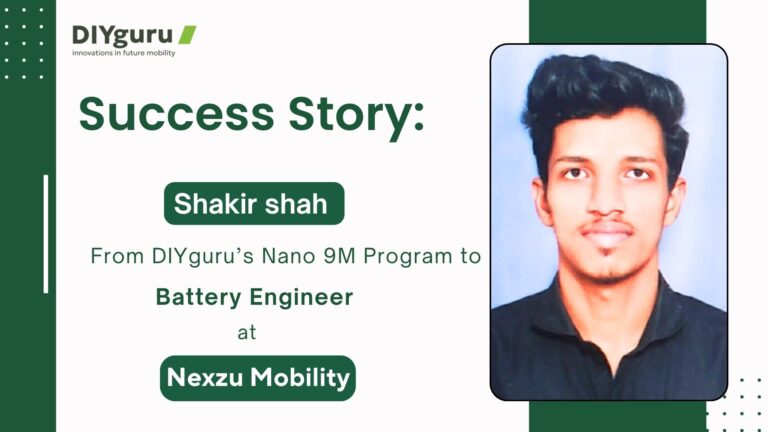
Shakir Shah – From DIYguru's Nano 9M Program to Battery Engineer at Nexzu Mobility
Shakir Shah's journey from the Nano 9M Program to Battery Engineer at Nexzu Mobility.
Read post →Professional Certification Program in Embedded Systems for Electric Vehicle Engineering



Free, no-obligation counselling. An advisor calls you within 24 hours to understand your background and goals.
Speak with an EV career advisor within 24 hours








Learn interactively as they break down every detail, making complex EV concepts easy to understand and apply.
From fundamentals to hands-on EV engineering — DIYguru gives every learner practical exposure, project validation, and career guidance through hands-on industry integration.
Gain deep practical understanding of EV safety, insulation testing, battery hazards, PPE use, and live HV systems. Master the safety standards followed across global EV manufacturing and service centers.
Start your training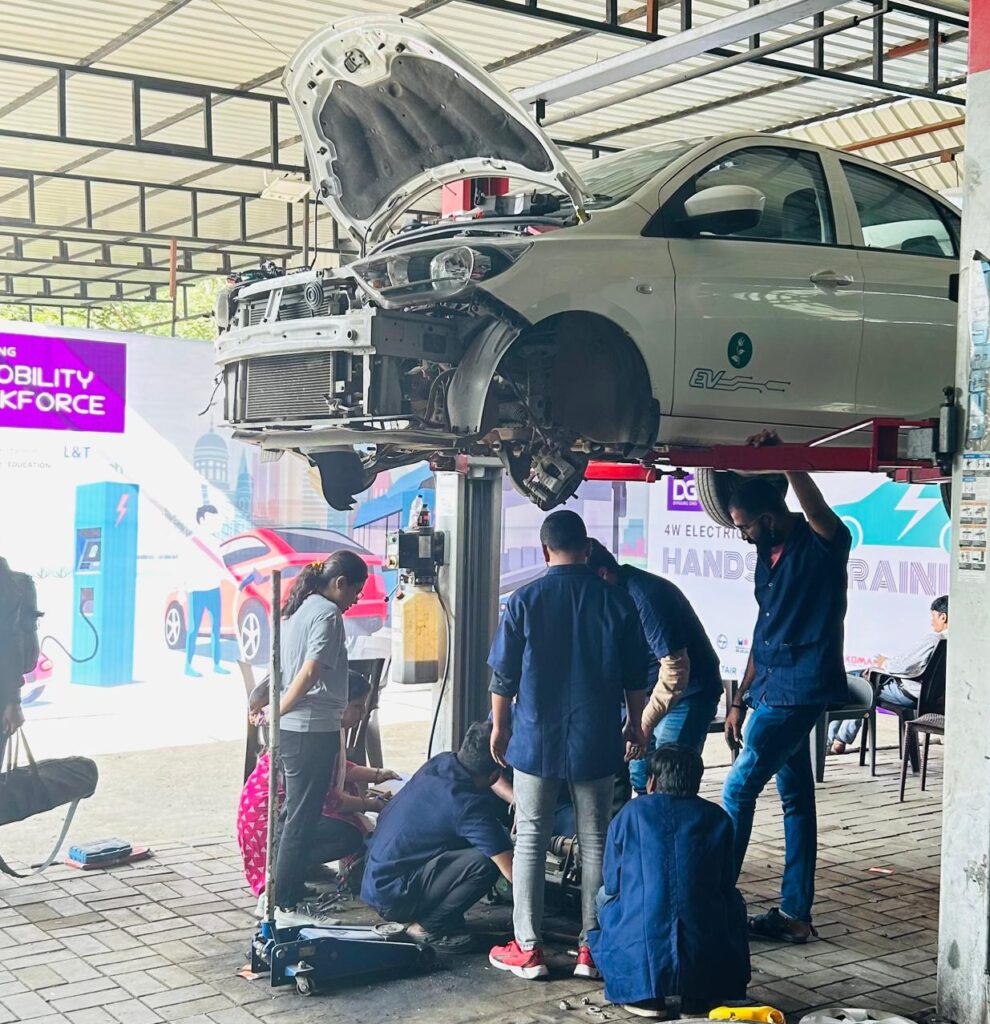
Work on real hardware test rigs developed in collaboration with IIT Delhi, covering BMS design, CAN communication, inverter control, and motor testing. Bridge simulation with real-world validation through guided experiments.
Explore the lab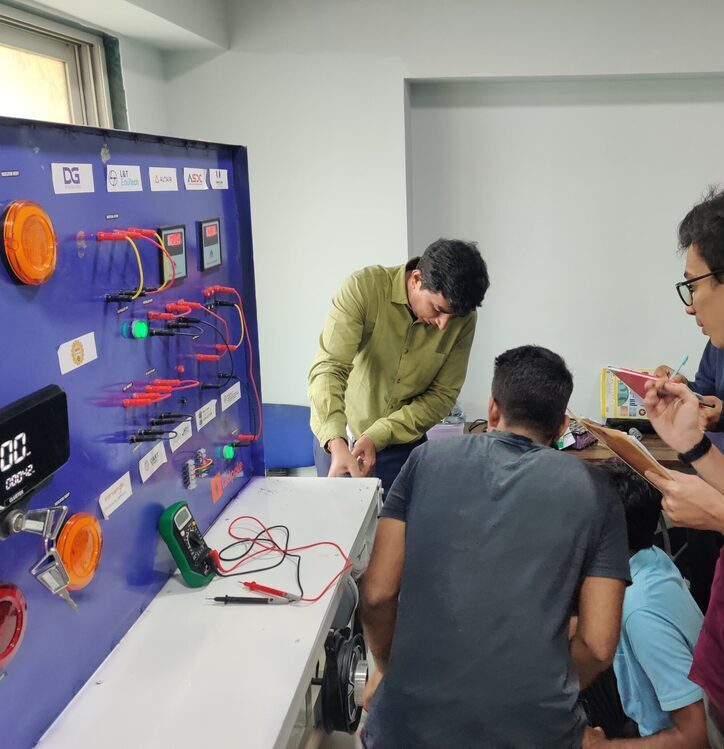
Learn how to capture, analyze, and interpret EV system data for diagnostics and optimization. Experience end-to-end workflows in telemetry, signal monitoring, and predictive maintenance.
Try data analysis now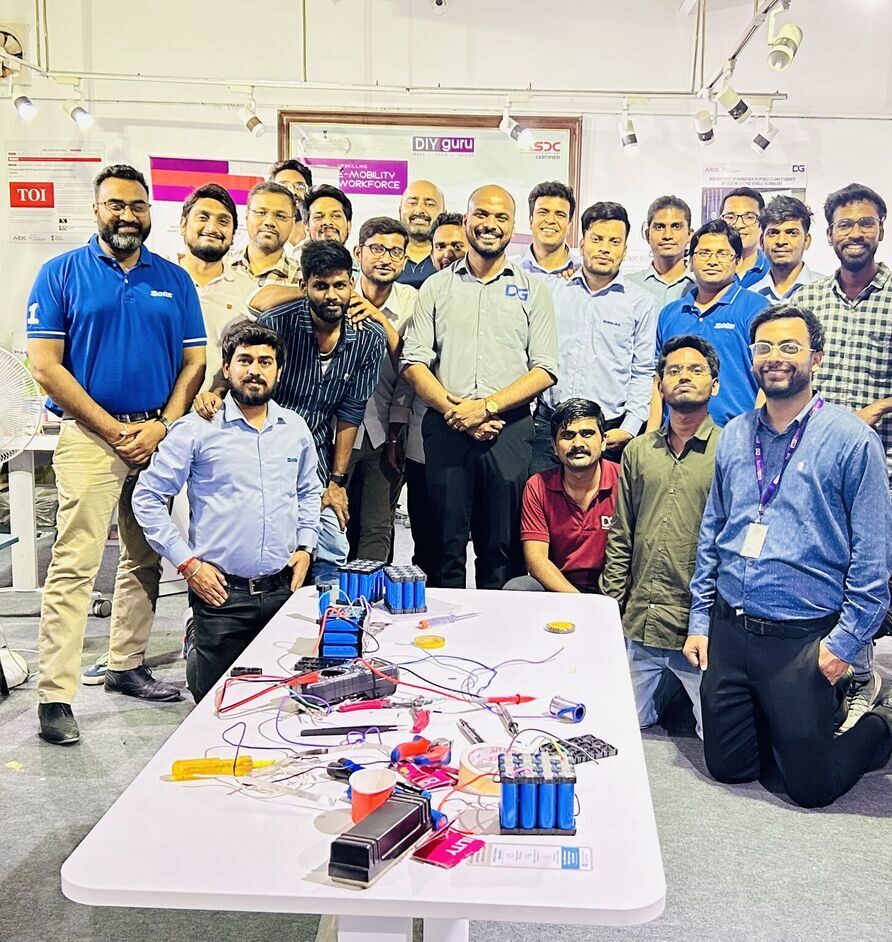
Get continuous 1:1 mentor support, live Q&A sessions, and dedicated placement guidance. Our support team and industry mentors help you clear technical challenges and secure career outcomes with top EV companies.
Connect with us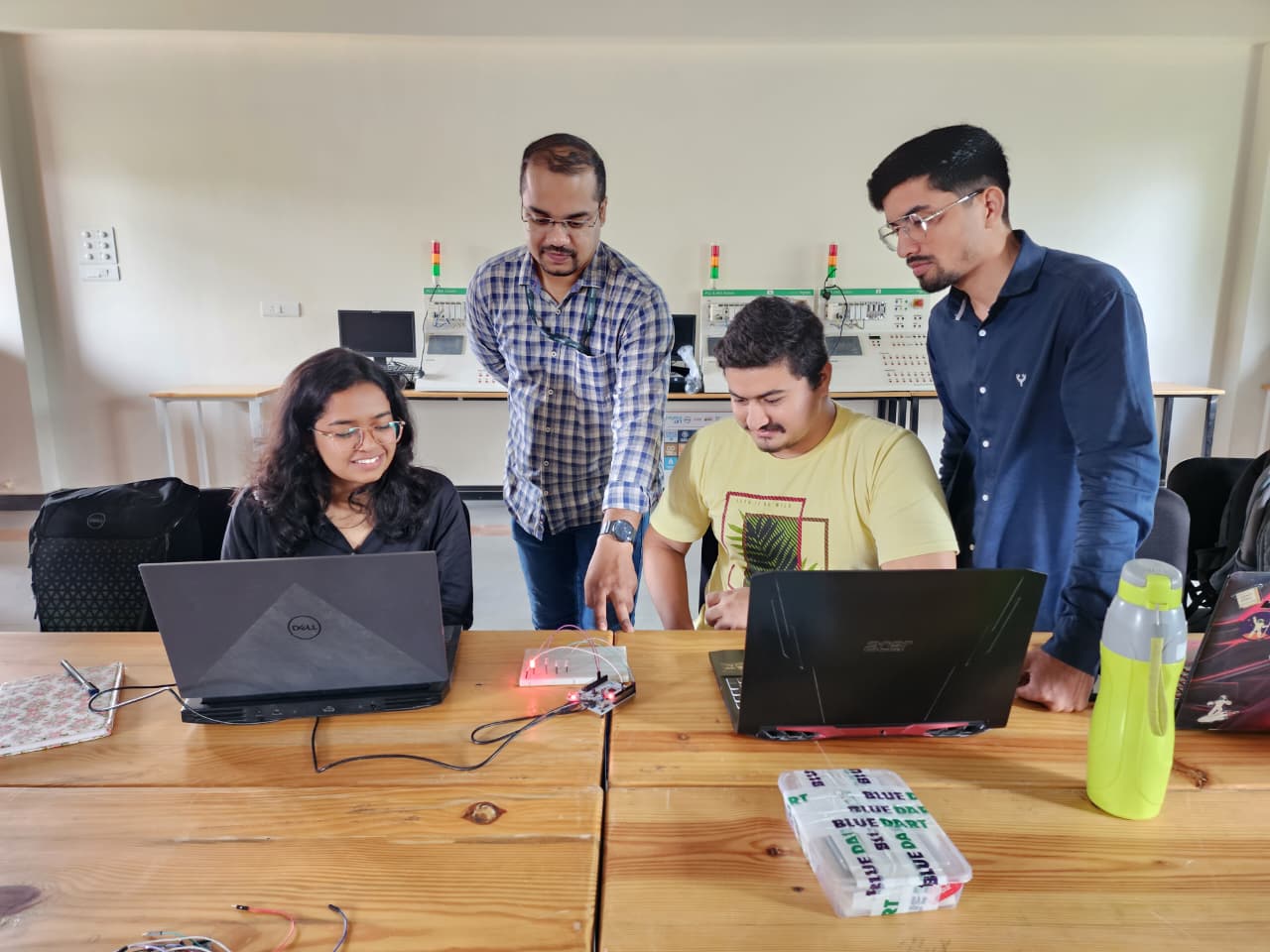
Whether you're an engineering student, working professional, or upskilling for EV roles — DIYguru's modular programmes adapt to your pace, allowing you to learn, build, and get placed without disrupting your job.




Every course in this programme, in the order you take them.


















Industry-standard tools you learn across the programme.
Python is used for EV data analysis, telemetry, and predictive modeling — enabling automation, fault detection, and simulation workflows for BMS and powertrain systems.
SolidWorks is used to design 2W/4W EV structures, enclosures, and mechanical assemblies, integrating component modeling with simulation-ready designs.
SpaceClaim enables quick geometry cleanup, meshing, and CAD preparation for simulation in ANSYS — streamlining the design-to-analysis workflow for EV assemblies.
Autodesk Alias is an industry-standard tool for automotive surface design and digital sculpting, allowing engineers to model high-quality EV exteriors and aerodynamic body surfaces with precision.

LTSpice enables simulation of EV power circuits including converters, inverters, and BMS electronics, helping optimize circuit efficiency and transient performance.
Vector's AUTOSAR suite enables ECU software configuration, communication testing, and diagnostics under the AUTOSAR Classic and Adaptive platforms.
AUTOSAR Builder is used to design, configure, and validate ECU architectures following the AUTOSAR Classic/Adaptive standards for scalable, safety-compliant EV software systems.
Altair HyperWorks offers advanced structural, crash, and optimization simulations for EV components, enabling engineers to reduce weight while maintaining mechanical reliability.
ANSYS Workbench provides multiphysics simulation for EV components including chassis, batteries, and inverters, helping engineers validate strength, durability, and heat performance.
Master low-level programming for microcontrollers using Embedded C, covering memory management, I/O operations, and real-time execution for EV control systems.
Build and simulate embedded applications using Arduino IDE, focusing on motor control, sensor data acquisition, and CAN communication for EV prototypes.

Simulate embedded circuits and test firmware using Proteus before hardware implementation. Ideal for debugging EV control boards and microcontroller-based modules.
Develop firmware for STM32 microcontrollers — the core of modern EV ECUs. Learn driver programming, communication protocols, and real-time performance tuning.
Use MATLAB for algorithm development, control logic simulation, and battery modeling. Apply analytical tools to design efficient EV powertrain and BMS systems.

Design, simulate, and validate EV control algorithms with Simulink, connecting block-level models to real-time embedded systems for testing and deployment.
Perform Quantized State System (QSS)-based simulations to analyze EV system dynamics, improve computation efficiency, and model real-time behavior under load.
Prototype EV-related electronic circuits virtually using Tinkercad before physical assembly. Ideal for rapid testing of motor driver, sensor, and control layouts.
Use Keil IDE to compile, debug, and optimize ARM Cortex firmware for EV applications. Learn register-level programming and performance profiling for embedded ECUs.
Our philosophy is simple — you get to have a team of diverse, passionate people who are willing to change the future of education in mobility industry and empowers you to do your best work.

CEO of the Automotive Skills Development Council (ASDC)
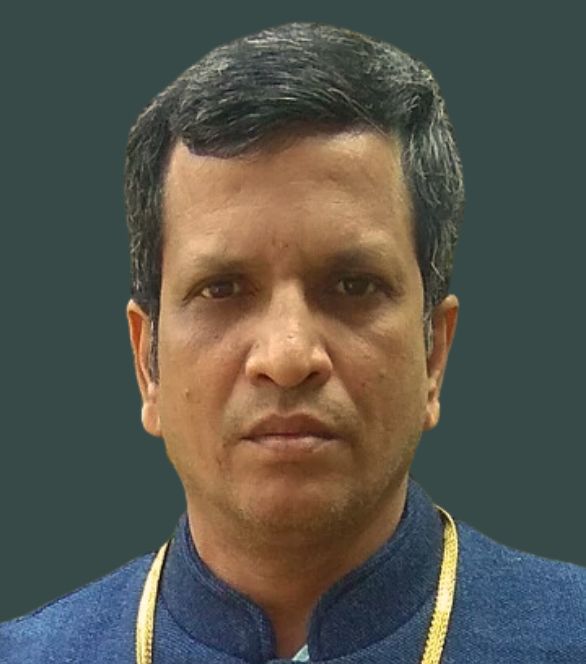
Professor, Department of Electrical Engineering, Founder Head, Centre for Automotive Research and Tribology (CART), IIT Delhi
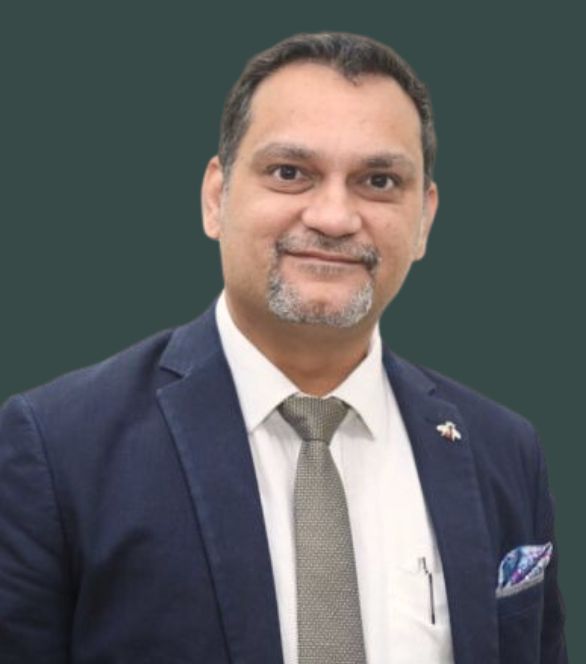
Executive Dean - Corporate Relations & Campus Placements across 30+ Schools & 200+ Courses

CEO – JV Skills, DIYguru – Malaysia
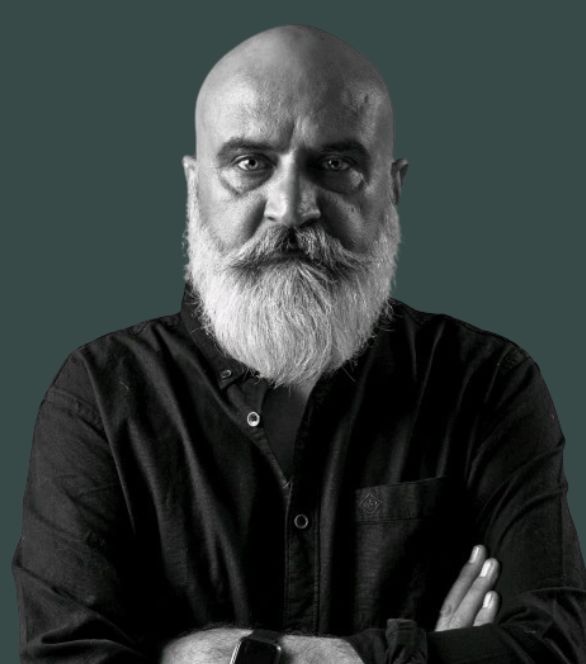
CEO – Bluebolt Electric | Chairman, Startup India Foundation
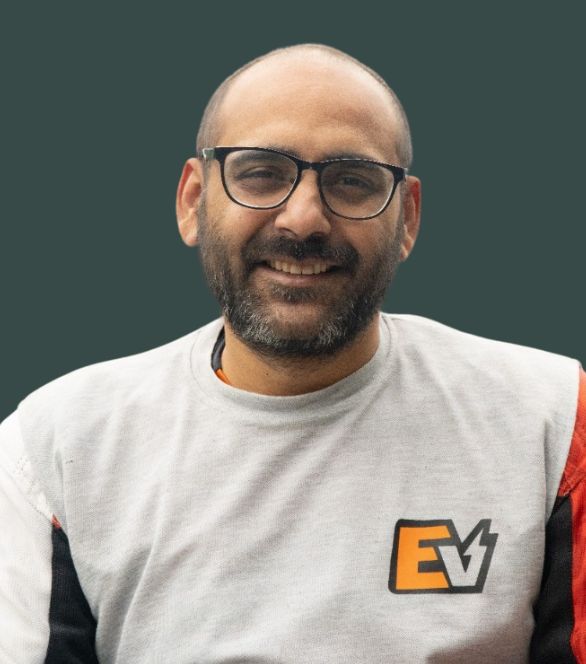
Co-Founder EVeez

Chief Coordinating Officer at AICTE, Ministry of Education, India
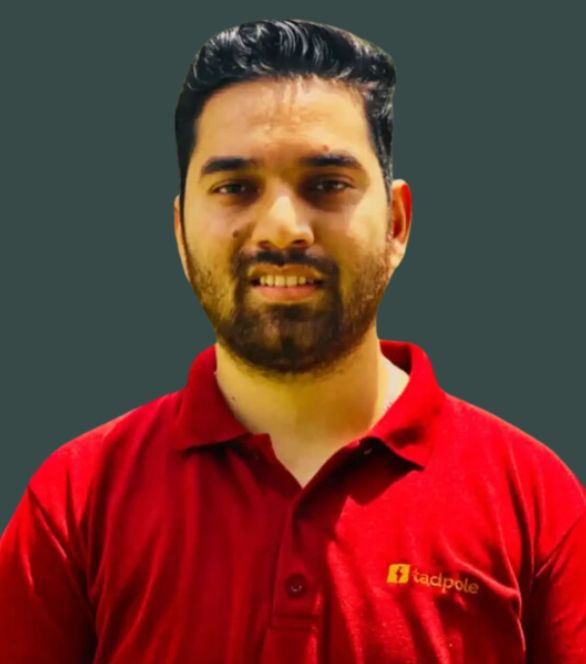
CEO & Founder – Tadpole Projects

Project Incharge – EVI Technologies

BeepKart-2W | Spinny-4W | Shuttl – EVs in Employee Logistics | MDI | TML

EIR – DIYguru | R&D Testing & Validation Engineer at CREATARA | Ex-ICAT
DIYguru certifications validate hands-on competence in Electric Vehicle technology and digital engineering. Each program blends project-based learning with industry standards, ensuring graduates demonstrate real-world skills aligned with OEMs and Tier-1 suppliers.
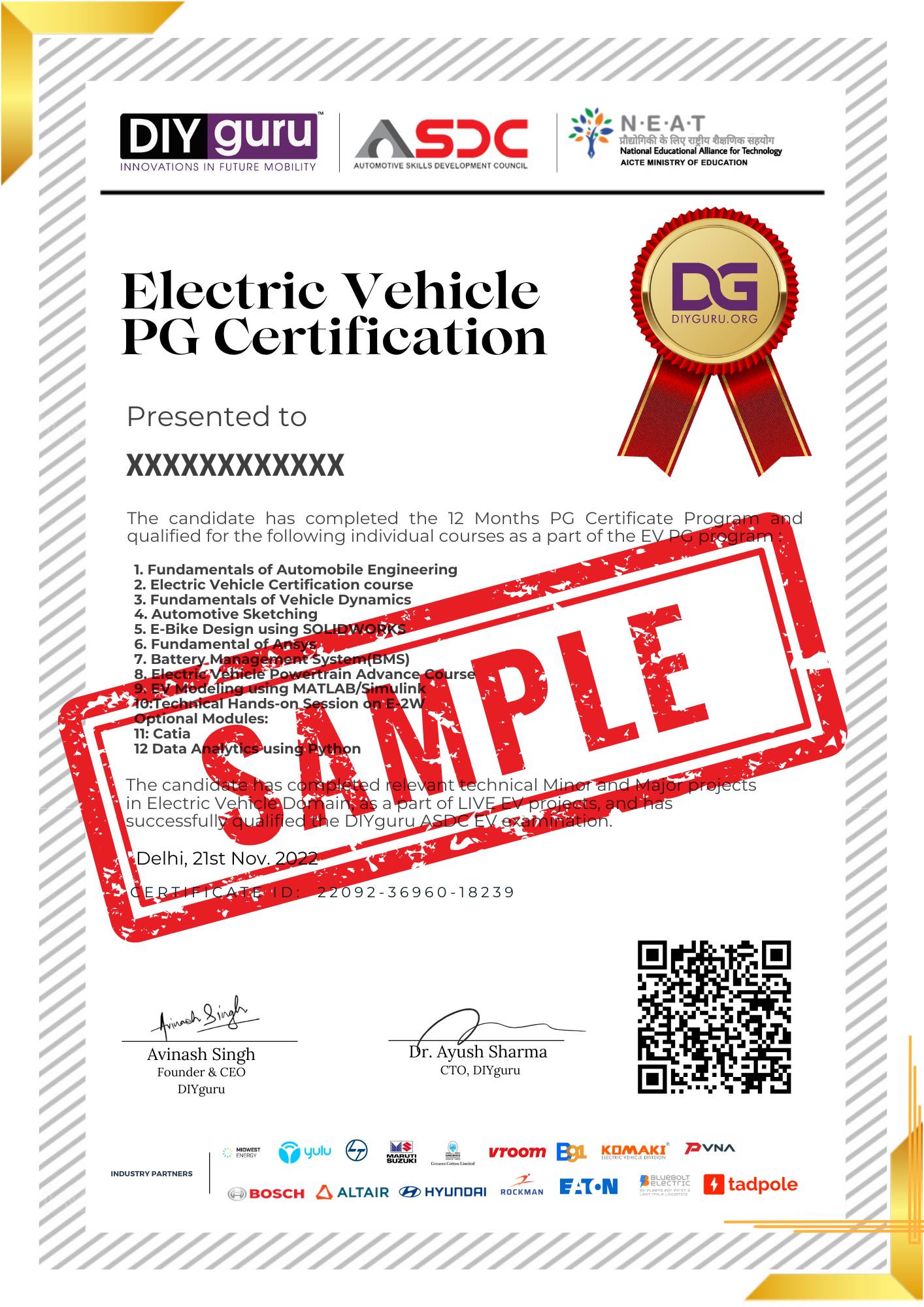
DIYguru is recognized under ASDC, India's sector skill council for the automotive industry, ensuring every certified learner meets national skill standards. The certification signifies employability in EV design, diagnostics, and service roles aligned with India's automotive skilling framework.
Be career-ready, not just course-ready.
PCP in EV Embedded System is designed for learners who want to turn their technical foundation into a career in electric mobility.
From disciplines such as: Electrical Engineering, Electronics & Communication, Mechanical / Automobile Engineering, Mechatronics / Instrumentation / Power Electronics.
Apply now →Professionals currently employed in automotive, energy, manufacturing, or R&D sectors who wish to transition into the EV domain.
Apply now →Suitable for engineers working in design, testing, software, embedded systems, or maintenance roles seeking specialization in electric mobility.
Apply now →With strong technical background and interest in EV systems.
Apply now →Final-year engineering or M.Sc students can enroll provisionally and receive certification post degree completion.
Apply now →Open to international learners holding equivalent qualifications in engineering or applied sciences (with English proficiency).
Apply now →Engineers from automotive, manufacturing, or energy backgrounds looking to shift into EV roles can fast-track their transition with project-based learning and IIT-certified credentials. (Ideal for roles in EV R&D, Testing, Powertrain, and Battery Design.)
Startup founders, service center owners, and professionals planning to launch ventures in EV charging, battery swapping, or retrofitting gain technical and business insights to turn their ideas into scalable operations.
Final-year engineering or science students looking for placement-oriented, industry-recognized specialization before graduation can enroll and complete the program alongside their academics. Year gap students can apply too.
Faculty members and technical trainers can upgrade to the latest industry-aligned EV curriculum, enabling them to mentor projects and research aligned with new-age mobility technologies. Useful for college / institutional faculty.
emobility.careers is DIYguru's exclusive placement engine — connecting programme graduates with top recruiters in the EV and e-mobility ecosystem, ensuring every learner moves from classroom to career with confidence.
Get a skill-readiness score based on your course performance, projects, and industry assessments. This helps you understand your strengths and bridge gaps before you face interviews.
Be career-ready, not just course-ready.
emobility.careers is trusted and used by over 110+ future mobility companies
“DIYguru trained our teams at Bosch in 2019, right at the start of EV adoption in India, delivering far above our expectations. Since then, they have remained a trusted partner, supporting our employees with both LMS access and in-person training across EV domains.”

“DIYguru graduates come with a hands-on understanding of EV systems — not just theoretical knowledge. They're able to contribute from day one to our battery testing and pack assembly operations.”


“We've been consistently impressed by DIYguru-trained engineers. Their grasp on battery design, EV service, repair and diagnostics helps us accelerate product deployment and reduce production time.”


“What stands out is DIYguru's focus on simulation and hardware validation. The engineers we've hired adapt quickly to startup environments — confident with MATLAB, ANSYS, and embedded toolchains.”


“The EV industry needs engineers who can think both technically and systemically — DIYguru graduates bring that balance. Their familiarity with powertrain integration and BMS testing has been a real asset.”


“DIYguru's placement ecosystem delivers candidates who understand the complete EV lifecycle — from design and validation to service diagnostics. That readiness is what the industry truly needs right now.”


“The engineers we've recruited from DIYguru demonstrate excellent command over EV design tools, motor controllers, and safety protocols. Their practical exposure sets them apart from regular graduates.”


“DIYguru transformed my career in just six months. Their comprehensive EV & Embedded Systems Nano degree equipped me with essential skills, leading to a prestigious job at Sandip University. I'm grateful for the life-changing education and support.”

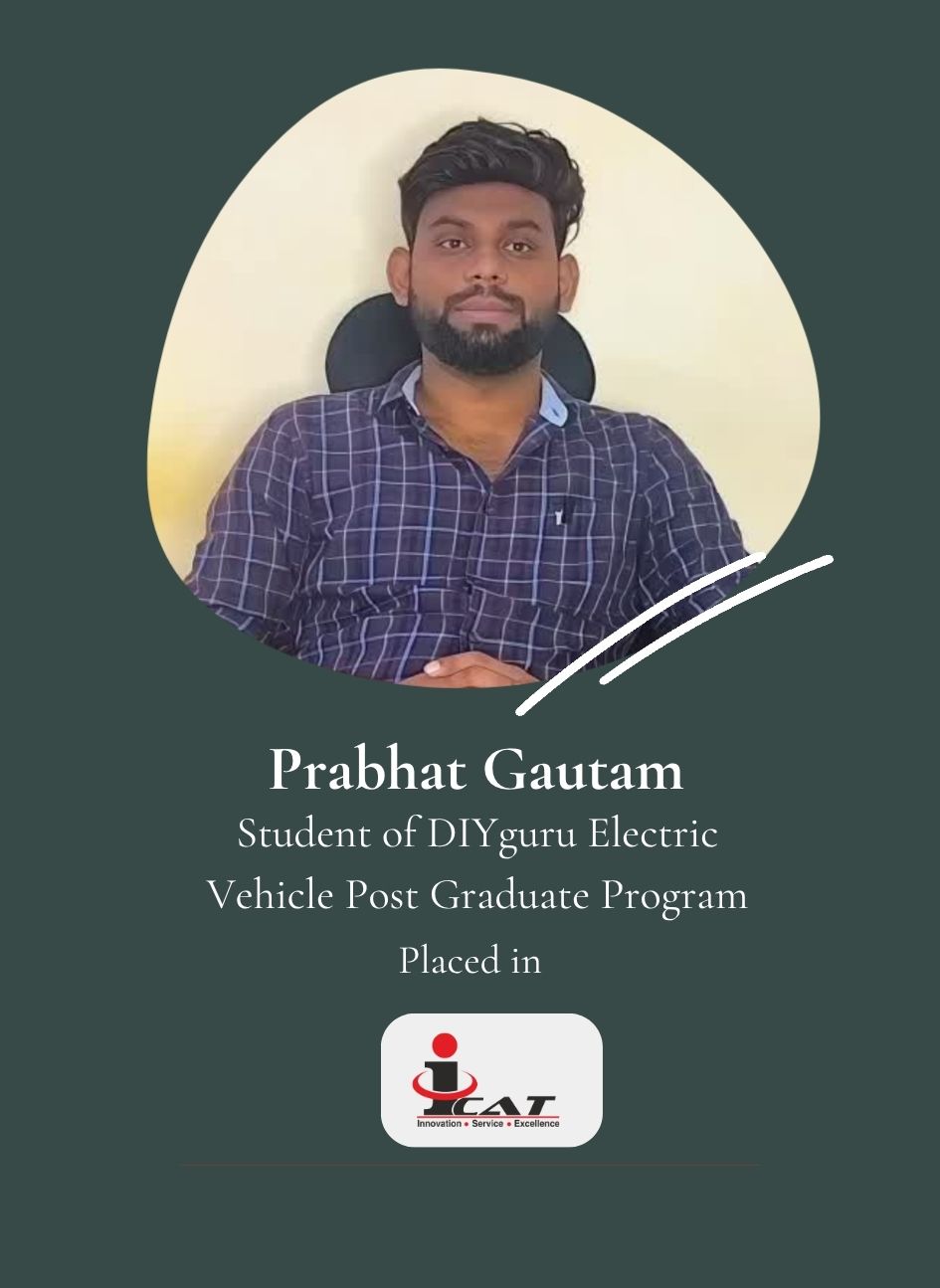
DIYguru gave me the direction I needed to succeed in the EV industry. The PG Program in Electric Vehicles and Embedded Systems equipped me with practical skills in MATLAB, Simulink, and fuel cell technologies. This foundation helped me start at Xero EV and ultimately secure my role as a Research Engineer at ICAT. The hands-on projects and real-world training at DIYguru prepared me to contribute to R&D projects in charging and fuel cell domains.
DIYguru has been an excellent partner in our journey towards building the next generation of electric tractors. Their 6-month comprehensive training program equipped our engineering team with in-depth knowledge of e-mobility technologies — from battery systems and powertrain to embedded systems and charging infrastructure. This initiative has not only enhanced our team's technical capabilities but has also accelerated our efforts to bring international-standard EV tractors to market.
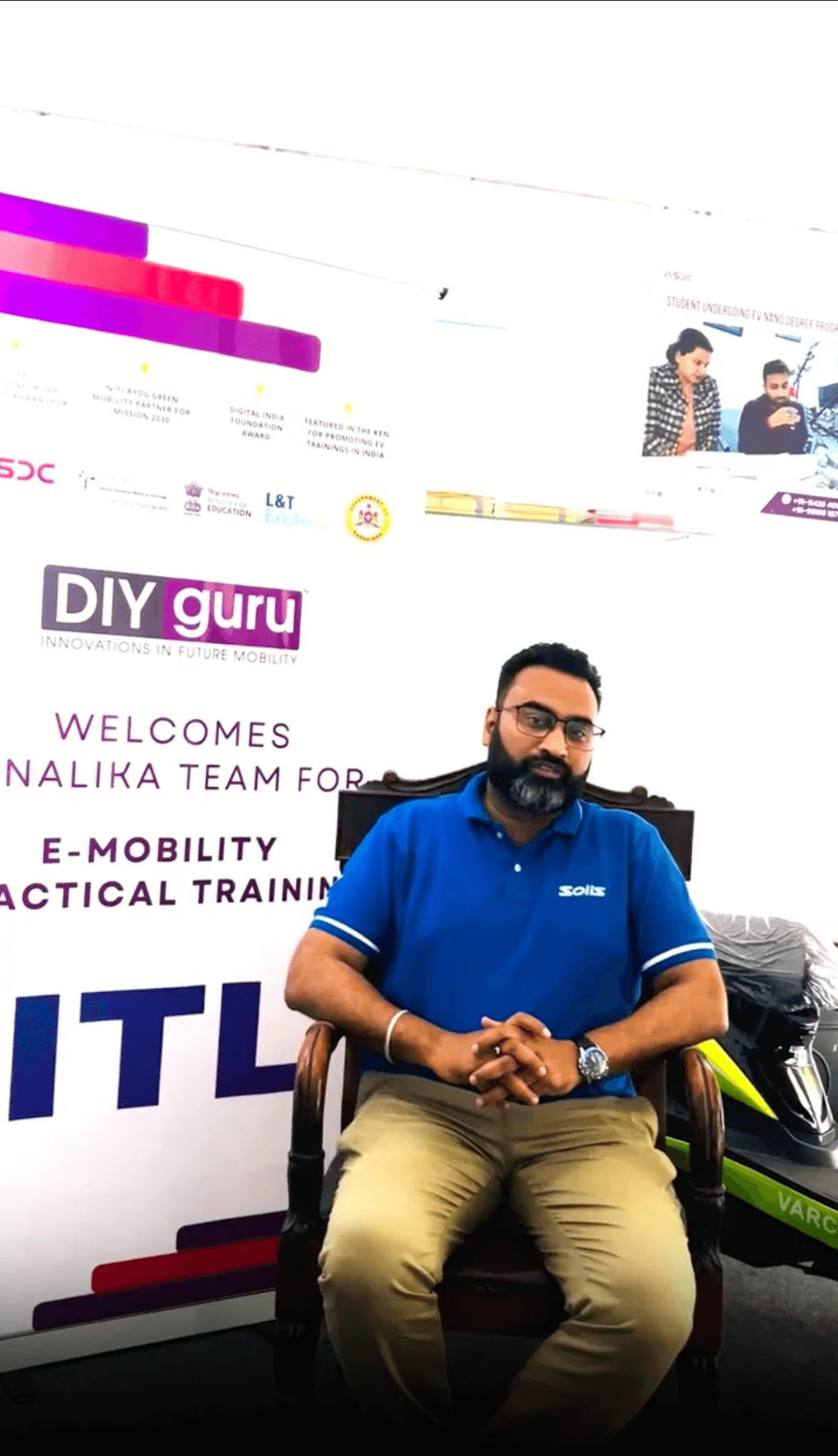
DIYguru has played a pivotal role in upskilling talent for India's e-mobility sector. By empowering students and professionals with industry-ready skills, they are enabling thousands to secure jobs and build successful careers in the EV industry. We thank the DIYguru team for their contribution to shaping the future EV workforce.
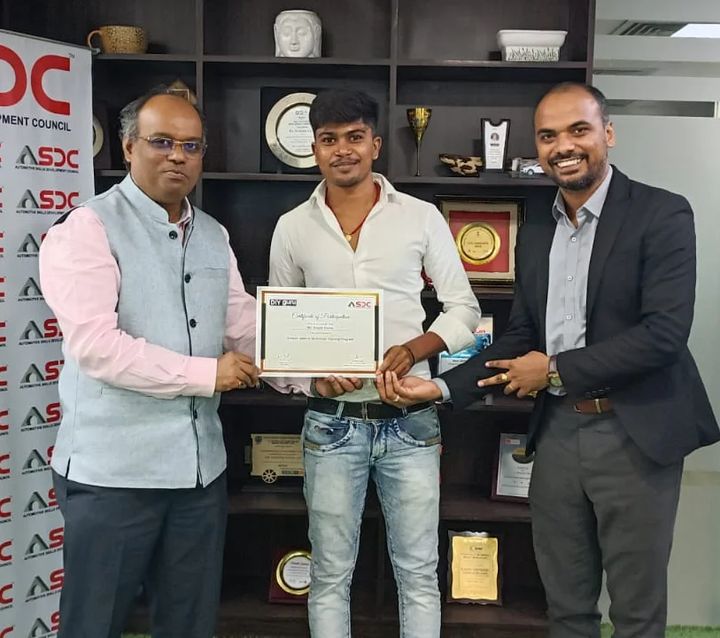
DIYguru's EV Technology training program at ASC Centre, Bangalore has been a remarkable initiative for our retiring soldiers. The structured curriculum and hands-on sessions have equipped our veterans with the knowledge and skills needed to confidently step into the electric mobility sector. This program is a stepping stone for many of our personnel to become micro-entrepreneurs and contribute to India's growing EV ecosystem.
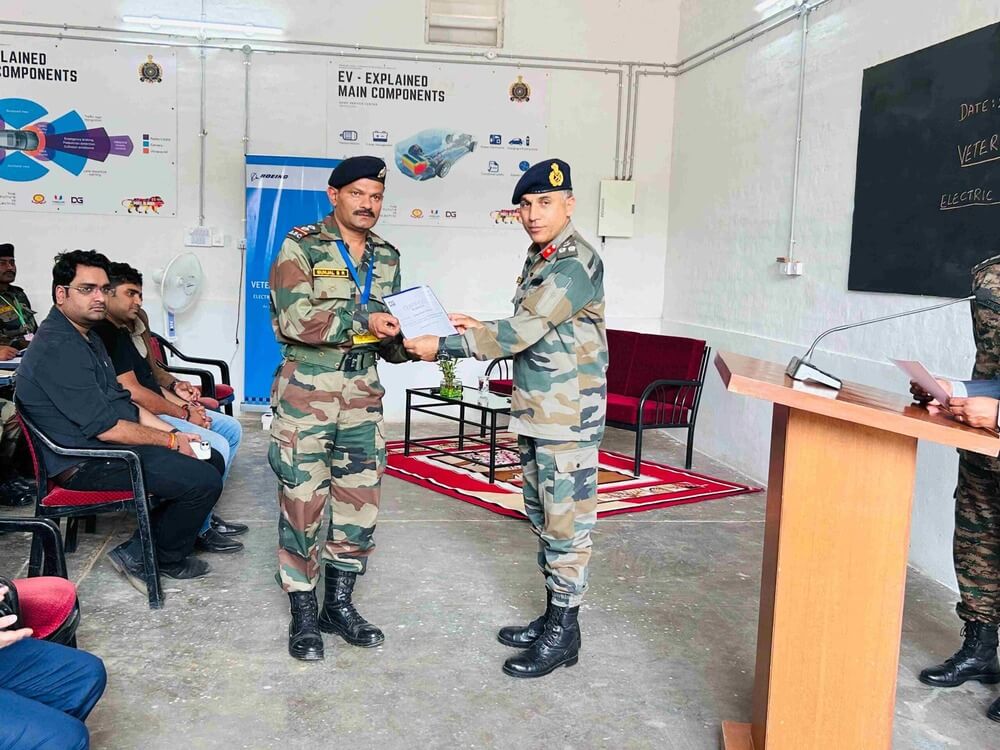
“It was a excellent course. I had no knowledge of electric vehicle before but now I know almost everything about EV, how they work, how battery works etc. At last, I want to say thank you DIYguru.”
“This course has been very informative and was very easily understandable. The lectures and all the videos were really good ones. The MCQs have helped a lot. Thank you for bringing such an amazing course for the people.”
“The course was good, to begin with, the topic. I guess it would have been better to provide the solutions to the assignments. I am interested in other courses also but I find the course fees on the higher side. If that can be managed I think DIYguru is a brilliant platform for industrial application learning.”
“Keep up the good work. Please do add more courses related to mechanical engineering. Looking forward to take more courses.”
“It was one of the best course. The assignments questions were the best.”
“Lecturing was very understandable for all students, also well-being knowledge.”
“It's been a great experience with DIYguru. Thanks for your efforts.”
“Overall a great experience.”
“It was all good, thanks for the brilliant course.”
“Thanks for the awesome course.”
“It was a good experience.”
Shakir Shah's journey from the Nano 9M Program to Battery Engineer at Nexzu Mobility.
Read post →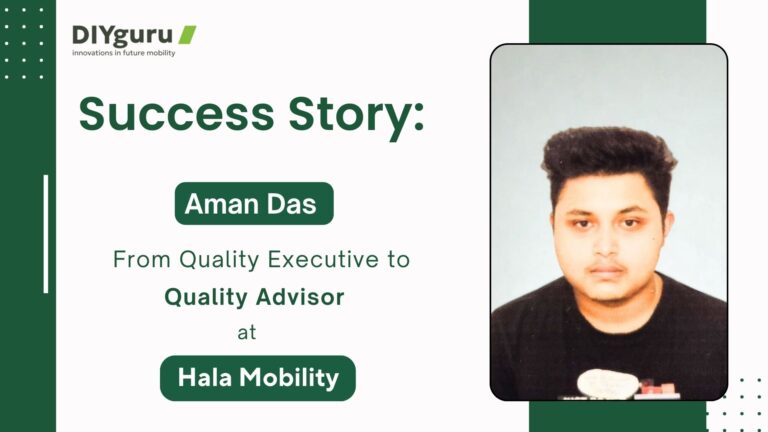
Aman's journey from Quality Executive to Quality Advisor in the EV industry.
Read post →
Nitin Agarwal, a Mechanical Design Engineer from Najibabad, Uttar Pradesh, has always been passionate about EVs.
Read post →
Arti Soni, an Electrical and Electronics Engineer from Pune, always had a passion for electric mobility.
Read post →| Feature | DIYguru | Other platforms |
|---|---|---|
| Curriculum validation | ✓ Partner-verified curriculum ASDC • NEAT • IIT • TATA | Varies; often generic |
| Industry backing | ✓ Partner-backed Designed with real EV workforce upskilling at Hyundai, Bosch, L&T, Daimler, Sonalika, John Deere & Eaton. | Verified with partners rarely |
| Hands-on labs | ✓ Multi-location EV labs Access available in Delhi • Pune • Malaysia • Saudi Arabia • Germany. | Limited simulators |
| Hardware | ✓ Real hardware rigs 20+ guided experiments on batteries, chargers, sensing, and control. | Limited kits |
| Placement | ✓ EV-specific portal Portfolio, interview prep, role mapping, referrals with exclusive, EV-focused listings with role-skill mapping and recruiter access. | Generic boards |
| Certification | ✓ Multiple pathways ASDC (Govt. of India) • NEAT AICTE (Ministry of Education) • IIT • TATA Technologies. | Limited/none |
| Learning path | ✓ Structured pathway Multiple levels, from foundations to specialization. | Video-only often |
| Interview prep | ✓ Included Templates, rubrics, code review, mock interviews day. | Occasional |
| Mentorship | ✓ One to one Structured mentor sessions, integrated with projects. | Community only |
Note: “Other platforms” is a generalized comparison. Actual availability may differ per provider.
Engineering students (B.E./B.Tech in any branch — Mechanical, Electrical, ECE, CSE, Auto), Diploma & ITI holders, working professionals from ICE auto looking to pivot, MBA / business professionals entering EV, and entrepreneurs. No prior EV experience is required. We've trained learners from 170+ countries; the program is delivered in English and is timezone-friendly.
Average package across alumni cohorts is approximately ₹8.4 LPA in India and $55K–95K in international markets, with top placements going significantly higher (up to ₹18 LPA / $130K for BMS firmware and propulsion-controls roles). Common roles include Battery Engineer, BMS Developer, Powertrain Engineer, EV Design Engineer, Charging Infrastructure Specialist, EV Test Engineer, and Field Application Engineer.
Dedicated placement through emobility.careers — an EV-only job network with 320+ industry partners across India, Europe, North America and the Middle East. Services include resume and LinkedIn reviews, mock interviews with industry leads, capstone-project showcase events that hiring partners attend live, and 1:1 mentor introductions to specific employers based on your profile.
Two STM32F103 controllers (one as a Smart BMS unit), a battery section with charging and switchable loads, CAN, UART, I2C, SPI and Bluetooth interfaces, motion and pressure sensors, LCD and OLED displays, a keypad and motor control, with 15+ guided experiments. It costs ₹10,000 + GST and is sold separately. See the full details at emobility.academy/embedded-kit.
Duration and pricing depend on the specific program (PG: 12 months, Nanodegrees: 6 months, Professional Certifications: 3 months). The DIY hardware kit is sold separately at ₹10,000 + GST. EMI options start at 0% interest for residents of India (via partner financing). Talk to admissions for current fees and cohort-specific scholarships.
Yes — the program is designed for a global audience. The DIY kit (sold separately) ships worldwide. The curriculum covers global standards (UNECE R100, ISO 26262, IEC 61851 for charging) alongside Indian standards. Alumni hold roles at Mercedes-Benz, Cummins, General Motors, Infineon, Hydro One and 300+ other employers across 170+ countries. The English-only delivery + asynchronous live-session replays mean timezone is never a blocker.

DIYguru partnered with HL Mando to deliver a comprehensive Battery Management Systems (BMS) training program.
Read case study →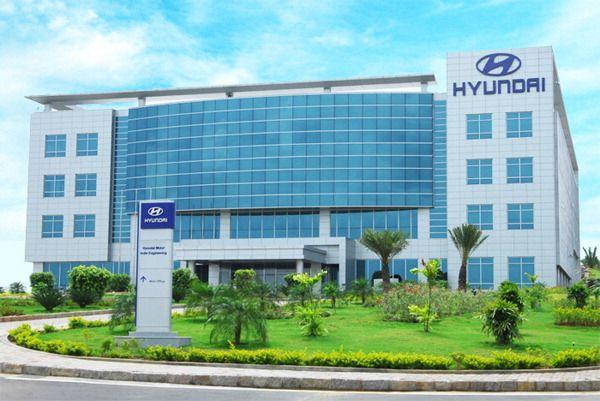
Three months of combined online and offline sessions, each module with hands-on work.
Read case study →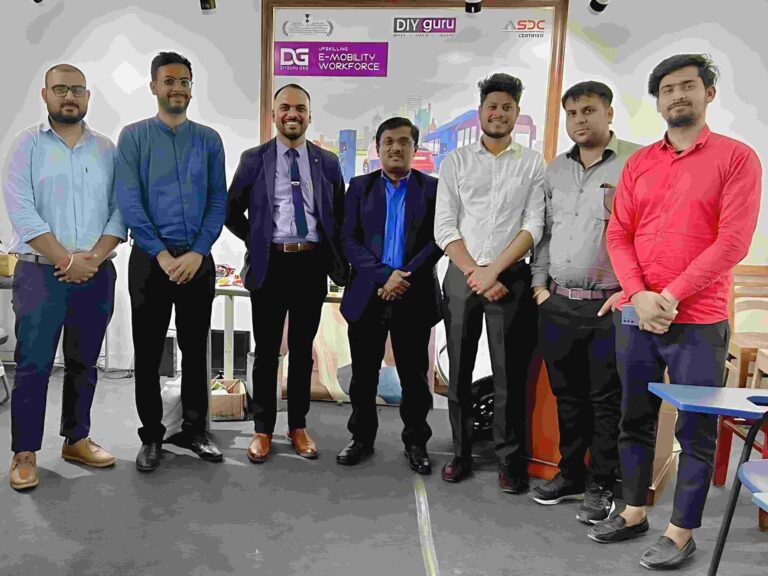
E-Mobility Centers of Excellence in educational institutions across India.
Read case study →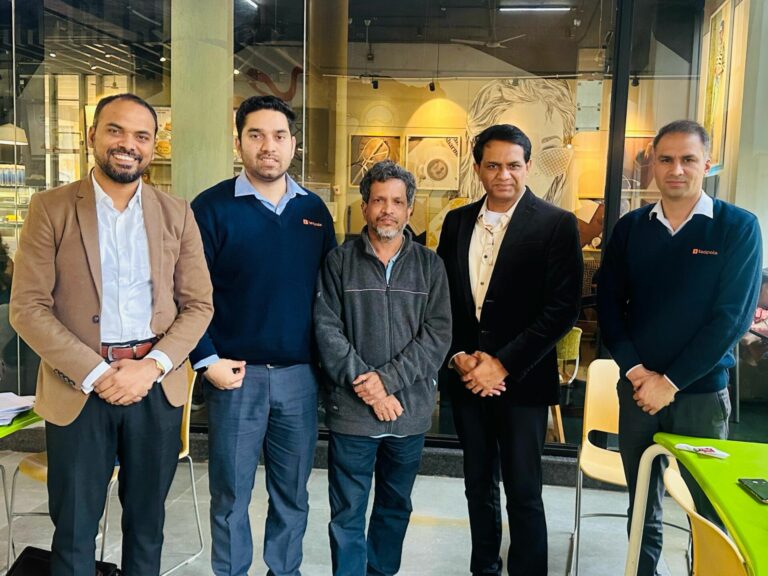
DIYguru and Tadpole Projects, incubated at IIT Delhi, developed three training workbenches.
Read case study →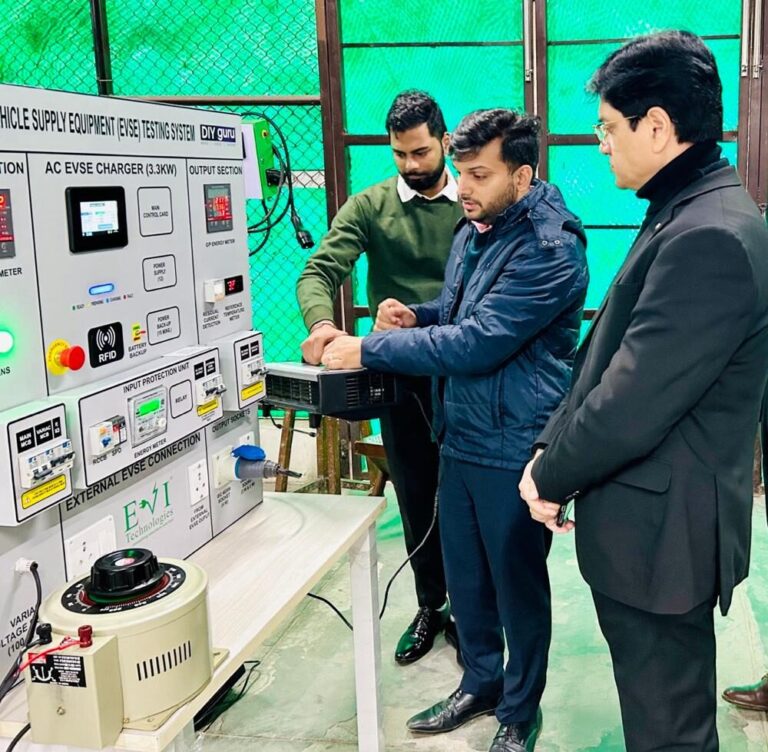
With EVI Technologies, under the mentorship of Dr. B.K. Panigrahi from IIT Delhi.
Read case study →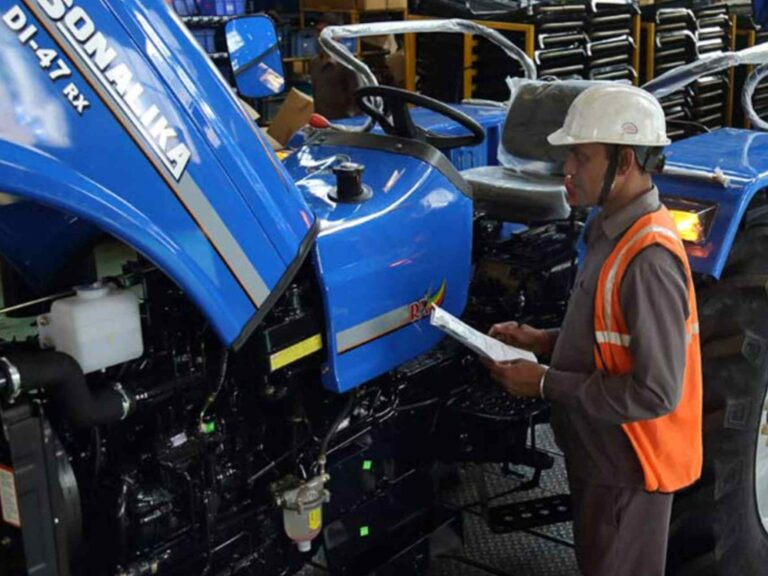
EV basics, battery technology, electric motors, power electronics and vehicle integration.
Read case study →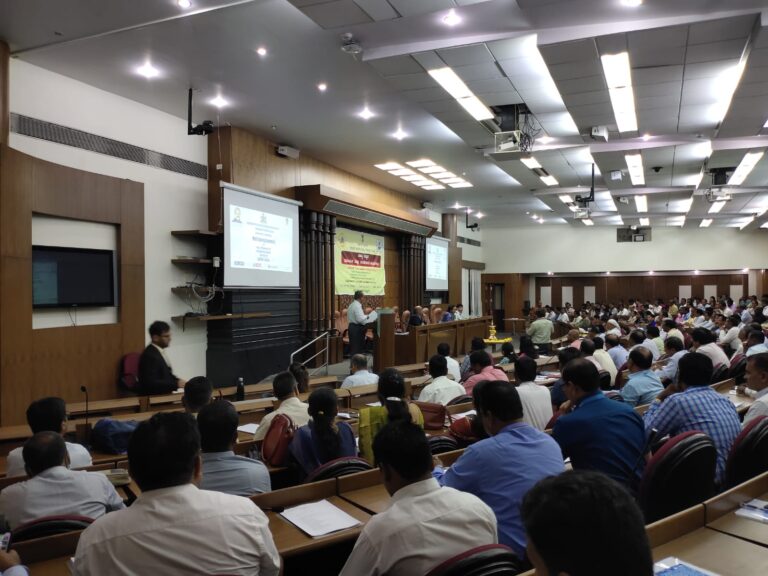
A programme for ITI students in urban areas and Bangalore.
Read case study →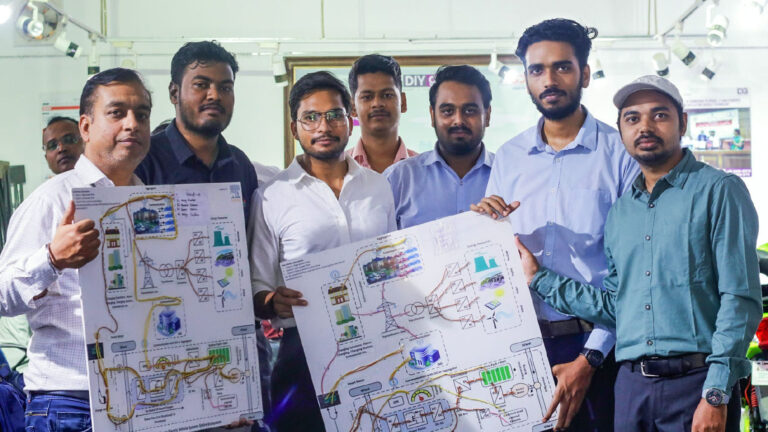
Students from many engineering disciplines, enrolled through Internshala.
Read case study →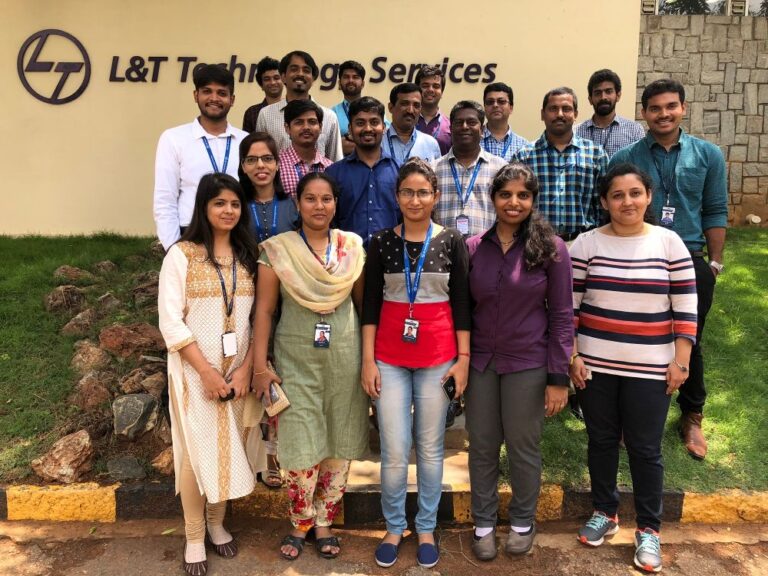
Comprehensive knowledge of hydrogen fuel cell technology with practical skills.
Read case study →
A comprehensive programme covering every part of EV technology.
Read case study →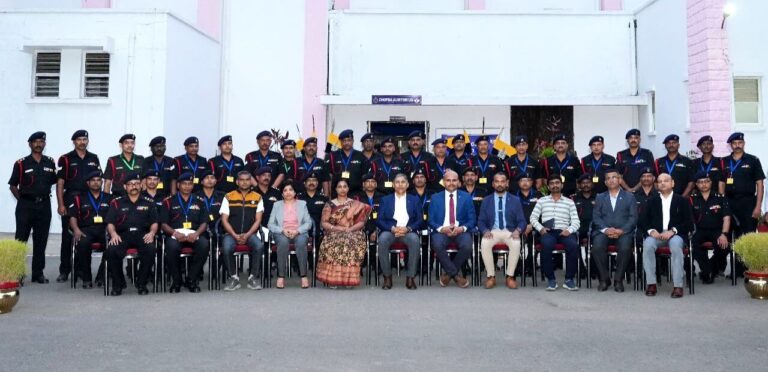
Equipping veterans for a successful transition into the EV industry.
Read case study →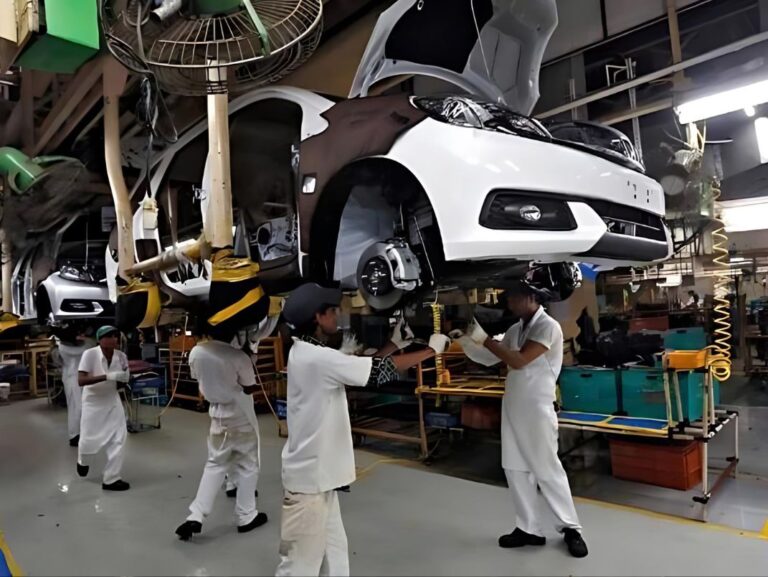
Hands-on workshops held at Honda Car India's premises.
Read case study →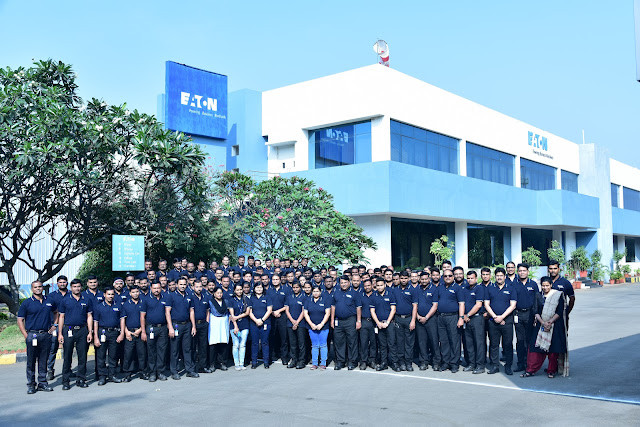
Every aspect of fuel cell technology, designed for Eaton's engineers.
Read case study →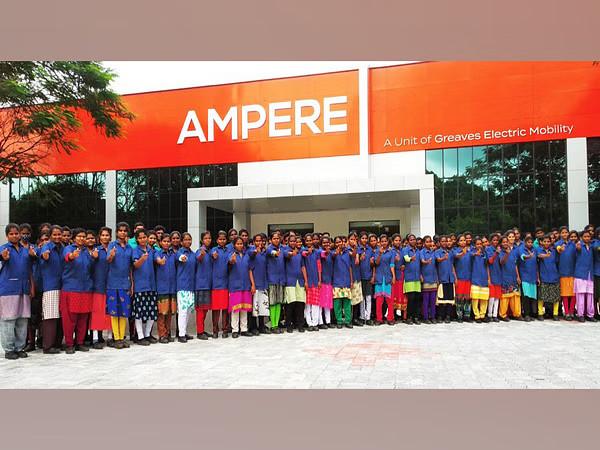
Industry-specific EV training for Greaves Cotton – Ampere Electric.
Read case study →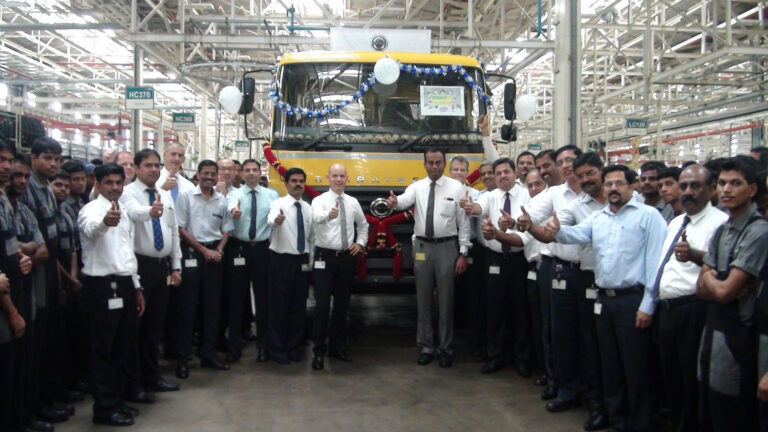
Enhancing the technical capabilities of DTICI's team.
Read case study →Your EV knowledge score, your strongest and weakest domains, the career path and salary band that match you, and a free EV Career Path Guidebook (PDF). 5 minutes · 10 questions.