












emobility.academy
4.8 rated by 5,345 verified learnersCurriculum reviewed by IIT FacultyNext cohort starts 7th Dec 2026Enroll now
6 Months Nanodegree Program

Nanodegree in ADAS & AUTOSAR for Advanced Automotive & EV Systems

Master the intelligence behind modern mobility — from model-based design to AUTOSAR integration. Gain industry-ready expertise in advanced modelling, ADAS and embedded architecture to engineer the brains of next-generation automotive and EV systems.

DIYguru
in partnership withIIT Jammu — I3C
certified byASDC — Automotive Skills Development Council
impanelled withNEAT — AICTE, Ministry of Education
Program Duration
6 Months
Eligibility
B.Tech / M.Tech / Diploma
Mode of Learning
Hybrid
Hardware
Optional ARM Cortex kit
Certifications
IIT Jammu + ASDC + NEAT AICTE

Trusted by over 120+ embedded companies worldwide

HyundaiBoschDaimlerHonda
Program Highlights

We've got you covered throughout the advanced automotive systems software

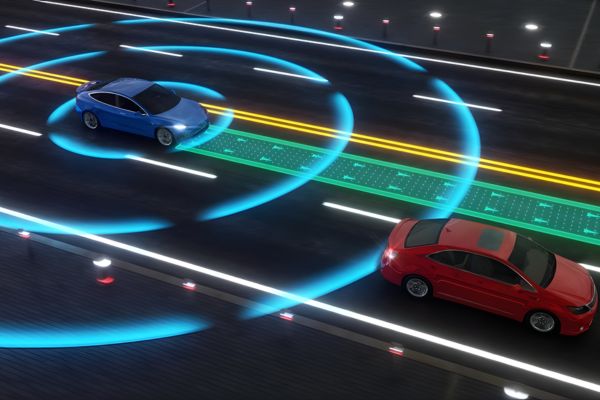
From sensor perception to ECU integration — DIYguru's ADAS & AUTOSAR Nanodegree equips you to design, simulate, and validate the intelligent systems powering autonomous and connected vehicles. Learn the tools and standards that define modern automotive software architecture.

Evolving from mechanics to software-defined vehicles

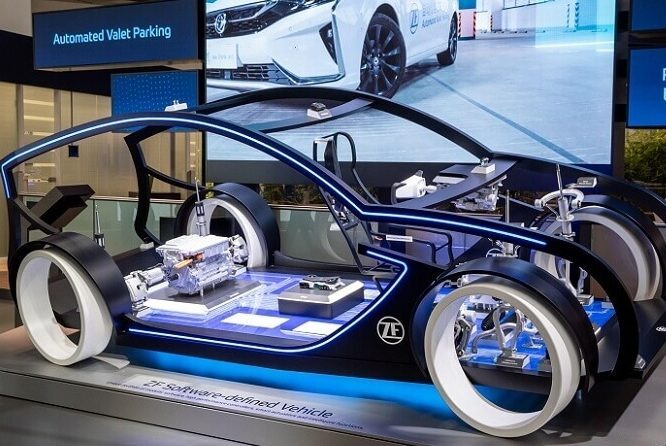
Trace the evolution from mechanical-centric vehicles to software-defined architectures (SDVs). Understand how electronics, sensors, and automation are transforming ECUs into networked computing platforms, and the communication protocols and integration challenges that define the modern automotive landscape.

Try it now

Mastering AUTOSAR architecture and workflow

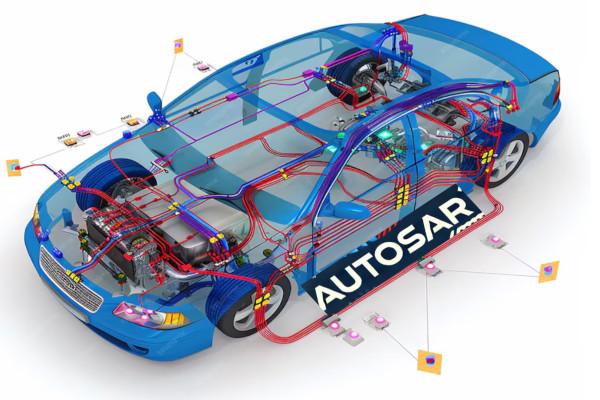
Gain in-depth knowledge of AUTOSAR Classic and Adaptive platforms, including Base Software (BSW), MCAL, RTE and software components (SWCs). Work with ARXML configuration, develop components using DaVinci Configurator and EB Tresos, perform RTE mapping and code generation, and build a complete AUTOSAR-compliant software architecture project.

Try it now

Designing intelligent ADAS systems through simulation

Dive into ADAS design and simulation using MATLAB & Simulink. Work with camera, radar, LiDAR and ultrasonic sensors, apply data fusion techniques, and implement lane detection and object tracking algorithms. Validate them with MATLAB's Automated Driving Toolbox and deliver a Lane Departure Warning System as your capstone project.

Try it now

Structured learning paths for every professional level

Whether you're an embedded engineer expanding into ADAS development or a software developer moving into automotive systems, this nanodegree offers modular learning paths — from SDV fundamentals and AUTOSAR integration to full ADAS project execution — for hands-on mastery at your own pace.

Continuous mentor and technical support

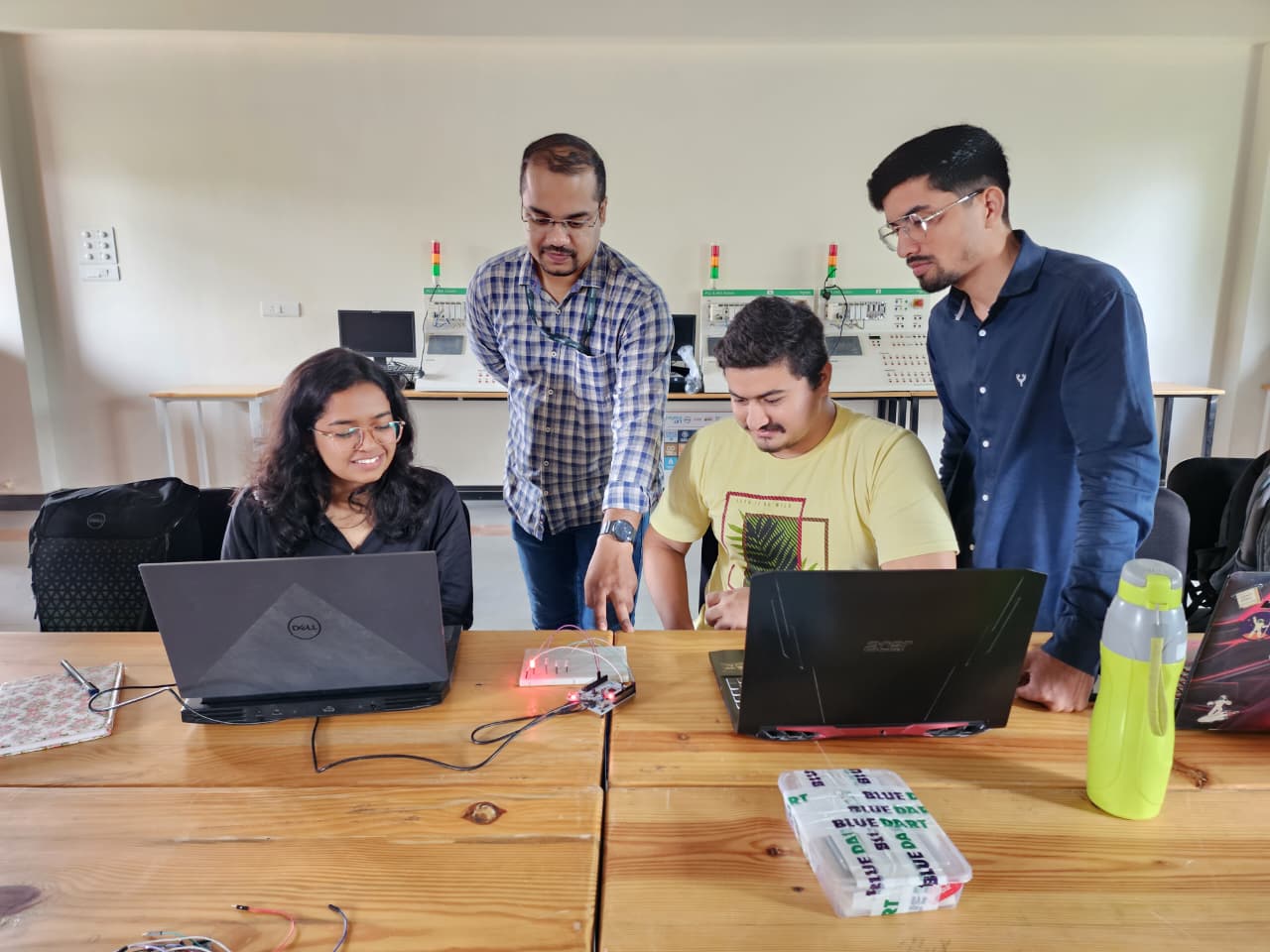
Get 1:1 mentorship, live project reviews, and code troubleshooting from experienced engineers in AUTOSAR and ADAS development. Our support team keeps your progress on track from your first simulation model to certification-ready software deployment.

Embedded Kits

Embedded DIY Kits delivered.
(Optional)

Optional for those who lack embedded and STM32 know-how. To keep firmware practice in step with the live classes, the kit is delivered to your doorstep. It is sold separately: add it to either fee slab for ₹10,000 + GST.

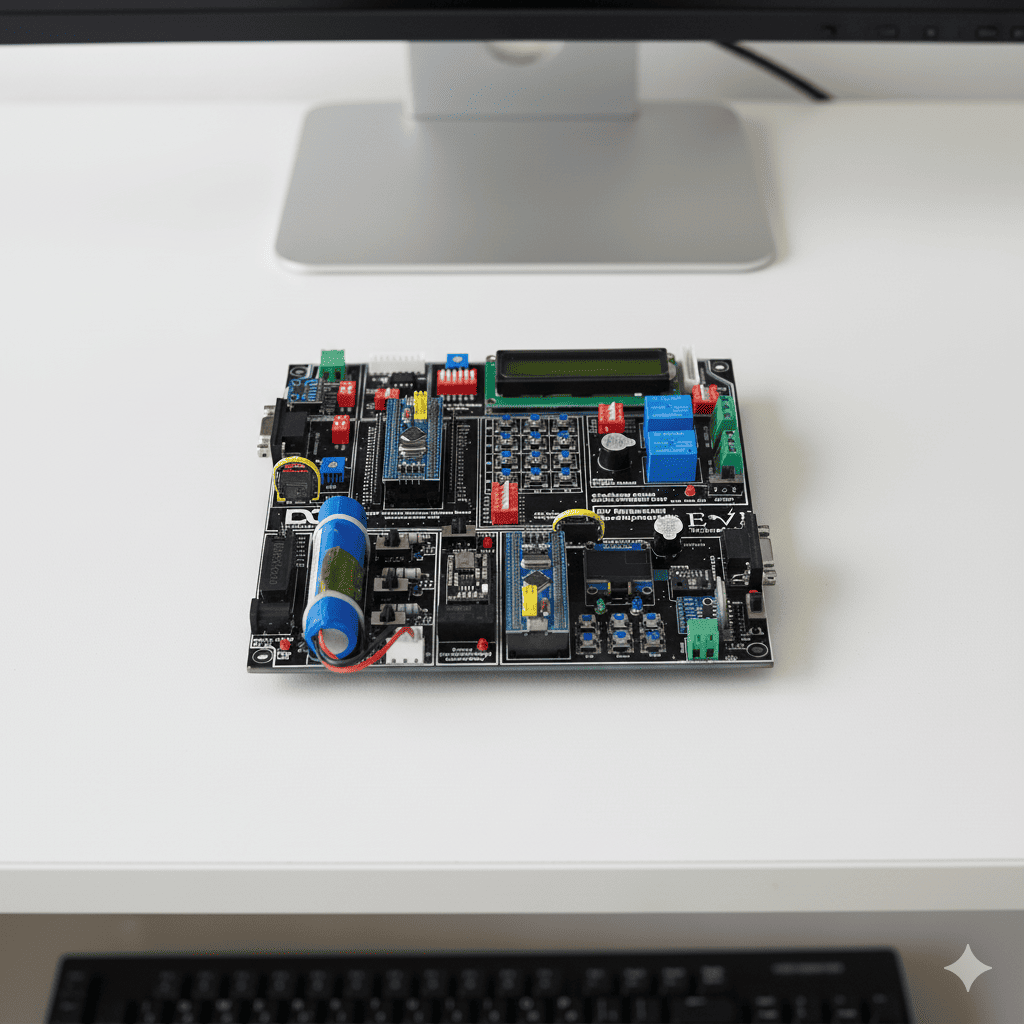
DIYguru embedded ARM Cortex development kit

Embedded ARM Cortex Based hardware development kit.

  • Receive a kit developed by DIYguru in collaboration with IIT Delhi, Tadpole Projects, and EVI Technologies.
  • Enhance your learning with practical, hands-on experience.
  • Tools included for building and testing EV components.
See the kit →
Program Outcomes

Simulate, test, and optimize
automotive software

By the end of the ADAS & AUTOSAR Nanodegree, you will be able to:

Design and implement AUTOSAR-compliant software architectures

Configure, develop, and integrate software components (SWCs), RTE, and BSW modules using industry tools like DaVinci Configurator and EB Tresos.

Develop and validate ADAS algorithms

Design lane detection, object tracking, and path prediction systems using MATLAB & Simulink, integrating real-world sensor data (camera, radar, LiDAR, ultrasonic).

Simulate, test, and optimize automotive software

Apply model-based design (MBD) workflows, run Software-in-the-Loop (SIL) and Hardware-in-the-Loop (HIL) tests, and analyze performance in MATLAB's Automated Driving Toolbox.

Apply Software-Defined Vehicle (SDV) principles

Interpret system complexity, communication protocols (CAN, LIN, Ethernet), and ECU-level integration to build scalable, modular automotive software systems.

Deliver industry-ready projects and documentation

Complete a capstone project on AUTOSAR architecture design and an ADAS simulation project, demonstrating practical readiness for roles at OEMs, Tier-1 suppliers, and tool vendors.

Earn an industry-recognized certification

Validate your expertise in automotive software engineering with practical, project-based credentials recognized by leading OEMs and Tier-1 suppliers.

Software Tools

Engineer the software intelligence of tomorrow's vehicles

The ADAS & AUTOSAR Nanodegree equips engineers with end-to-end expertise in the design, simulation, and deployment of next-generation automotive software — from AUTOSAR frameworks to ADAS algorithms.

Python

Data Analytics & Simulation

Python is used for EV data analysis, telemetry, and predictive modeling — enabling automation, fault detection, and simulation workflows for BMS and powertrain systems.

Explore →

LTSpice

Circuit Simulation

LTSpice enables simulation of EV power circuits including converters, inverters, and BMS electronics, helping optimize circuit efficiency and transient performance.

Explore →

Vector Tools

Automotive Software Development & ECU Validation

Vector's AUTOSAR suite enables ECU software configuration, communication testing, and diagnostics under the AUTOSAR Classic and Adaptive platforms.

Explore →

AUTOSAR Builder

Automotive Software Architecture

AUTOSAR Builder is used to design, configure, and validate ECU architectures following the AUTOSAR Classic/Adaptive standards for scalable, safety-compliant EV software systems.

Explore →

STM32CubeIDE

Embedded System Design

Develop firmware for STM32 microcontrollers — the core of modern EV ECUs. Learn driver programming, communication protocols, and real-time performance tuning.

Explore →

MATLAB

Data Analysis & Control Design

Use MATLAB for algorithm development, control logic simulation, and battery modeling. Apply analytical tools to design efficient EV powertrain and BMS systems.

Explore →

Simulink

Model-Based Design (MBD)

Design, simulate, and validate EV control algorithms with Simulink, connecting block-level models to real-time embedded systems for testing and deployment.

Explore →

QSS Toolbox

System Simulation Tools

Perform Quantized State System (QSS)-based simulations to analyze EV system dynamics, improve computation efficiency, and model real-time behavior under load.

Explore →

Learn interactively as they break down every detail, making complex EV concepts easy to understand and apply.

Experience deep, immersive learning with DIYguru's expert instructors, who bring physical components from our state-of-the-art E-Mobility Labs directly to your screen.

Curriculum

Syllabus shaped by 120+ Companies

Our DIY curriculum is designed to help automotive companies solve today's biggest challenges.

Electric Vehicle Essentials – Part 1: Industry Ecosystem & Battery Technology

Gain a complete understanding of EV fundamentals — ecosystem, architecture, and component integration. Learn about vehicle electrification, charging infrastructure, battery systems, and global EV policies driving e-mobility.

Learn more
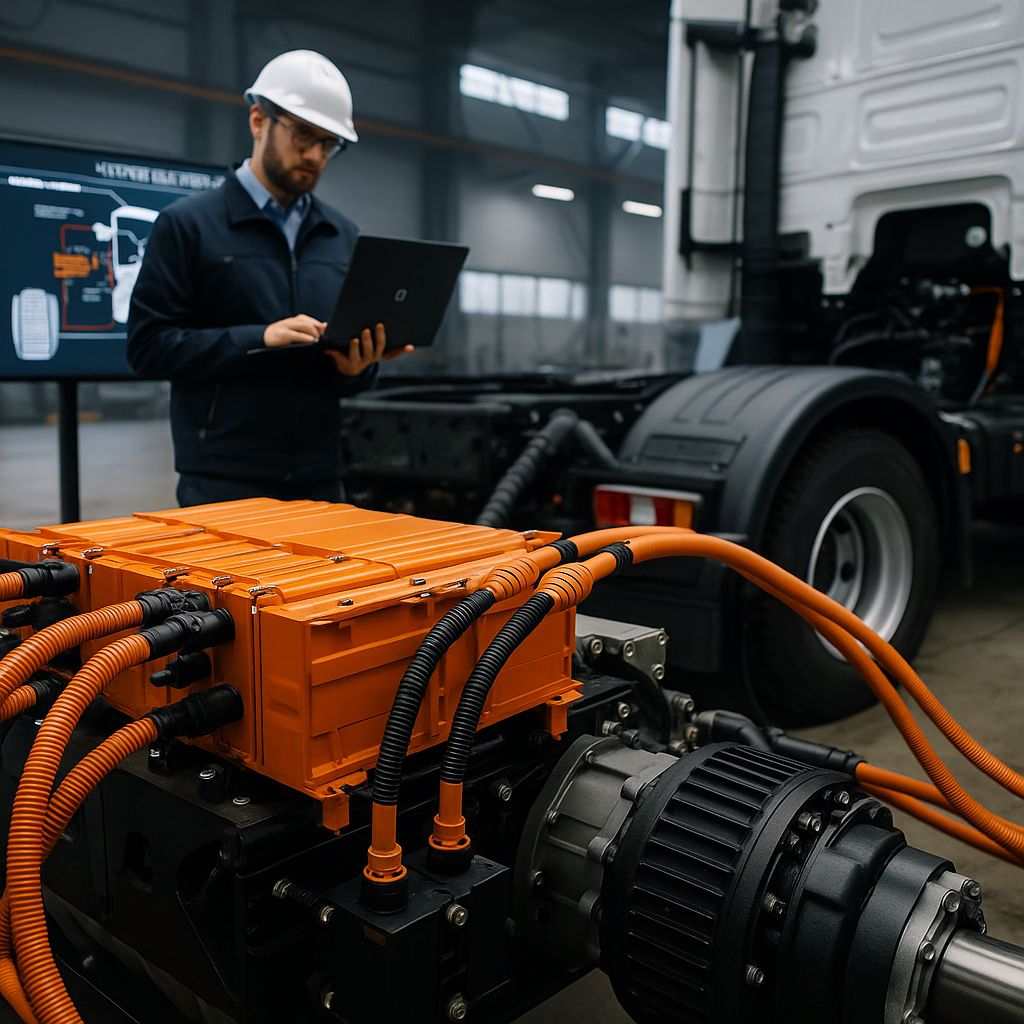

Electric Vehicle Essentials – Part 2: Motors, Electrification & Charging Systems

Master numerical calculations, hybrid system design, and heavy-vehicle electrification. Understand EV safety, powertrain sizing, and high-voltage regulatory standards shaping advanced EV manufacturing.

Learn more

Detailed module breakdown

Module 1: EV Engineering Essentials Part I and II

In this foundational module, you’ll explore the essential components and technologies of electric vehicles, covering the transition from internal combustion engines (ICE) to EVs. This part covers EV design principles, key subsystems, and safety considerations, along with battery technologies, power electronics (inverters, converters), and motor systems, with a focus on control strategies and efficiency optimization. You’ll also gain insights into vehicle electrification, voltage distribution, and the latest charging technologies, including standards and fast-charging solutions.

  • Starting with EV Technology: Overview of Electric Vehicles, Components, Key Technologies.
  • Understanding ICE to EV Transition: Key Differences, Benefits, Challenges.
  • Electric Vehicle Engineering: EV Design Principles, Key Subsystems, Safety Considerations.
  • Battery Technology for EV Systems: Battery Chemistries, Energy Density, Charging Cycles
  • Power Electronics for EV Systems: Inverters, Converters, Power Management.
  • Motor Systems for Electric Vehicles: Types of Motors, Control Strategies, Efficiency Optimization.
  • Vehicle Electrification Systems: Vehicle Wiring, Voltage Distribution, High and Low Voltage Components.
  • Electric Vehicle Charging Technology: Charging Infrastructure, Standards (CCS, CHAdeMO), Fast Charging Solutions.
Module 2: Advanced Certification in Electric Vehicle Design and Simulation using MATLAB, SIMULINK, and QSS

This module covers key aspects of electric vehicle (EV) development, including architecture modeling, powertrain design, and energy flow simulations. It analyzes road load factors like aerodynamic drag, rolling resistance, and gradient forces. The module also focuses on inverter design, efficiency, and thermal management, along with advanced Simscape modeling for electrical, mechanical, and thermal systems. Additionally, it integrates QSS and ADVISOR toolboxes for vehicle design, energy efficiency analysis, and battery performance modeling.


  • Road Load Understanding: Forces Acting on Vehicles, Load Distribution
  • Road Load Analysis: Modeling Aerodynamic Drag, Rolling Resistance, Gradient Forces
  • Inverter Design and Modeling: Sizing, Efficiency, Thermal Management
  • Advanced Simscape Modeling: Electrical, Mechanical, Thermal Modeling for EV Systems
  • QSS and ADVISOR Toolbox Applications: Vehicle Design Simulations, Energy Efficiency Analysis
  • BMS Modeling and Energy Analysis: Battery Performance Modeling, Energy Flow Simulations
Module 3: Introduction To AUTOSAR

This module introduces AUTOSAR, covering its definition, history, and key goals. It highlights the importance of AUTOSAR for standardization, scalability, and reusability in automotive applications.

  • Course Overview & Learning Outcomes
  • Guidelines for Course Participation
  • Introduction to AUTOSAR – Definition, History, and Goals
  • Why AUTOSAR is Essential – Standardization Benefits, Scalability & Reusability in Automotive Applications.
Module 4: Basic Software (BSW) Layer

This module provides an overview of the AUTOSAR Basic Software architecture, focusing on key layers such as the Services Layer, ECU Abstraction Layer, and Microcontroller Abstraction Layer (MCAL). Learners explore how standardized interfaces and the communication stack enable hardware-independent software development in automotive systems.

  • Overview of the AUTOSAR Basic Software (BSW)
  • Introduction to BSW Module Services Layer
  • ECU Abstraction Layer
  • Microcontroller Abstraction Layer (MCAL)
  • AUTOSAR Layered Architecture: Communication Stack
  • Interface Abstractions & Standardized APIs
Module 5: Software Components (SWC)

This module covers the roles of Atomic and Composite Software Components in AUTOSAR. It introduces component composition through functional grouping and reusability patterns, enabling modular and scalable automotive software design..

  • Software Components and Their Roles:
  • Atomic Software Components
  • Composite Software Components
  • Composition Examples: Functional Grouping & Reusability Patterns
Module 6: Ports & Interfaces

This module focuses on the communication mechanisms between AUTOSAR Software Components using well-defined ports and interfaces. Learners explore the Sender-Receiver (SR) and Client-Server (CS) models, which enable data exchange and service-oriented communication. The module also covers port-level interface definitions , connectors , and port compositions , with practical examples demonstrating how components interact within an automotive ECU environment.

  • Port-Level Interface Definitions in AUTOSAR
  • Sender-Receiver (SR) Communication Model – Data Exchange Principles
  • Client-Server (CS) Interface – Service-Oriented Communication
  • Connectors & Port Compositions
  • Practical Examples – Port-to-Port Communication Scenarios
Module 7: Runnables And Events

This module focuses on Runnables in AUTOSAR, which serve as the execution entities within Software Components (SWCs). It details the various types of events that trigger these Runnables to execute, including Time Events that occur at specific intervals, Mode Switch Events triggered by changes in system modes, and Operation Invocations initiated by function calls.

  • Runnables in AUTOSAR – Execution Entities of SWCs.
  • Events Triggering Execution:
  • Time Events
  • Mode Switch Events
  • Operation Invocations
Module 8: Application Software Component (ASW)

This module provides an overview of the Application Software (ASW) Layer, focusing on the design of its functional layer. It covers how various functionalities are mapped and organized into Software Components (SWCs), enabling modular and efficient software development in AUTOSAR systems.

  • ASW Layer Overview – Functional Layer Design
  • Mapping Functionalities into SWCs
Module 9: Run-Time Environment (RTE)

This module introduces the Run-Time Environment (RTE) layer, which acts as middleware between Software Components (SWCs) and the Basic Software (BSW) layer. It covers the two main RTE communication models: Sender-Receiver and Client-Server. The module explains the end-to-end communication flow facilitated by the RTE, along with event scheduling and triggering mechanisms managed through the RTE. Additionally, it includes the process of RTE code generation using AUTOSAR builder tools and the output artifacts produced.

  • Introduction to RTE Layer – Roles.
  • Middleware between SWC and BSW
  • Sender-Receiver RTE Communication
  • Client-Server RTE Communication
  • End-to-End Communication Flow using RTE
  • Event Scheduling and Triggering via RTE
  • RTE Code Generation – AUTOSAR Builder Tools & Output Artifacts.
Module 10: AUTOSAR Development Methodology

This module covers the AUTOSAR development methodology, focusing on the engineering approaches used in AUTOSAR including top-down and bottom-up development. It explains the complete workflow of system design, configuration, and integration within AUTOSAR, supplemented by real-world examples illustrating the lifecycle of component development.

  • Engineering Approach in AUTOSAR – Top-down vs. Bottom-up Development.
  • AUTOSAR Methodology Workflow – System Design, Configuration, Integration.
  • Real-World Examples – Lifecycle of Component Development
Module 11: Introduction To ADAS

This module introduces the fundamental concepts of Advanced Driver Assistance Systems (ADAS), explaining their essential role in modern vehicles. It provides a visual understanding of ADAS components and how they interact within the system. Additionally, the module explores the importance of ADAS as the foundational technology for autonomous driving and covers key terminology and global standards related to ADAS.

  • What is ADAS – Understand the core concept of Advanced Driver Assistance Systems and their role in modern vehicles.
  • Block Diagram Representation – Visual overview of ADAS components and system interactions.
  • Role of ADAS in Today’s Autonomous Driving – Explore how ADAS is building block for autonomous vehicle technologies.
  • Specific Terms and Standard Definitions – Learn common terminology and global standards relevant to ADAS.
Module 12: Implementation Of ADAS in MATLAB

This module focuses on practical implementation of Advanced Driver Assistance Systems (ADAS) using MATLAB. It covers simulation and modeling of automotive radar systems for object detection. The camera-based vision system section deals with image acquisition and object recognition through computer vision techniques. You will also learn to simulate ultrasonic sensors for close-range object detection and parking assistance. The module includes LIDAR technology for 3D mapping and obstacle detection using laser-based systems. Finally, it addresses integration of GNSS, GPS, and IMU sensors to support accurate vehicle positioning and navigation..

  • Automotive Radar – Simulation and modeling of radar-based object detection.
  • Camera (Vision System) – Image acquisition and object recognition using computer vision.
  • Ultrasonic Sensor – Close-range object detection and parking assistance simulation.
  • LIDAR – 3D mapping and obstacle detection using laser-based systems.
  • GNSS, GPS, IMU – Integration of location and motion sensors for vehicle positioning and navigation.
Module 13: Machine Learning Implementation In Adas

This module introduces the use of AI, ML, and DL in ADAS , focusing on how data-driven models enhance driving safety. It covers core concepts like classification, detection, and prediction , along with sensor fusion for improved accuracy and the hardware requirements for real-time AI processing in vehicles.

  • Introduction to Machine Learning in ADAS – Role of Al and data-driven models in enhancing driving safety
  • ML & DL in ADAS – Overview – Introduction to classification, detection, and prediction using ML/DL
  • ML & DL in ADAS – Sensors and Sensor Fusion – Combining data from multiple sensors for improved accuracy
  • ML & DL in ADAS – Processors – Understanding hardware requirements and optimization for Al models.
Module 14: Safety Systems In ADAS– Part 1

This course offers a compact overview of ADAS safety features that help prevent or reduce collisions. Topics include Adaptive Cruise Control, Cross Traffic Alerts, Blind Spot Detection, Lane Change Assist, Parking & Headlight Assistance, as well as Occupant, Pedestrian, and Evasive Protection Systems — all designed to enhance situational awareness and driving safety.

  • Introduction – Overview of safety features that prevent or reduce collision risks
  • Adaptive Cruise Control (ACC) – Maintaining safe distance and speed relative to surrounding vehicles
  • Rear Cross Traffic Alert (RCTA) – Detecting approaching vehicles while reversing
  • Vehicle Exit Alert – Warning when opening doors into oncoming traffic
  • Front Cross Traffic Alert – Detecting vehicles approaching from the side at junctions
  • Forward Collision Warning – Alerting drivers of imminent front-end collisions
  • Vehicle Turning Assistance – Monitoring blind spots and surrounding vehicles during turns
  • Blind Spot Detection – Detecting vehicles in the driver’s blind zone
  • Lane Change Assist – Supporting safe and timely lane changes
  • Parking Assistance System – Automated steering and alerts during parking
  • Intelligent Headlight Control – Adjusting beam intensity and direction based on traffic conditions
  • Occupant Protection System – Pre-crash systems like airbag deployment and seatbelt tensioning
  • Pedestrian Protection System – Sensing and mitigating risk to pedestrians
  • Evasive Steering Support – Assisting in controlled steering during obstacle avoidance
Module 15: Safety System In ADAS- Part 2

This module explores advanced ADAS technologies that enhance driver awareness and vehicle stability. It covers systems like Traffic Sign Recognition, Speed Limit Assist, Lane Departure Warning, and 360° View Cameras, alongside critical safety features such as Driver Monitoring, Emergency Brake Assist, ABS, TCS, and Cross Wind Assist—all designed to improve response, control, and road safety.

  • Introduction – Advanced systems for environment awareness and driver support
  • Traffic Sign Recognition System – Detecting and interpreting road signs using vision-based systems
  • Speed Limit Assist – Monitoring and maintaining legal speed limits dynamically
  • Lane Departure Warning – Alerting drivers when unintentionally drifting out of lanes
  • 360° Surrounding View System – Providing a bird’s-eye view for enhanced spatial awareness
  • Driver Monitoring System – Observing driver behavior for signs of distraction or fatigue
  • Driver Drowsiness Detection – Identifying early signs of driver fatigue
  • Emergency Brake Assist – Supporting braking when sudden obstacles are detected
  • Anti-lock Braking System (ABS) – Preventing wheel lock during hard braking
  • Traction Control System (TCS) – Maintaining vehicle stability on slippery surfaces
  • Cross Wind Assist – Stabilizing vehicle in strong lateral wind conditions
Module 16: Testing And Validation In ADAS

Learn the validation of safety-critical ADAS features through rigorous testing techniques. Covers functional, scenario-based, and performance testing , including Simulation, SIL, HIL, and DIL methods. Also explores on-track and real-world validation approaches essential for ensuring ADAS reliability and road readiness..

  • Introduction – The critical need for rigorous validation in safety-critical ADAS applications
  • Overview of ADAS Testing – Functional, scenario-based, and performance testing approaches
  • Simulation, SIL, HIL, and DIL Testing – Model-in-the-loop and hardware-in-the-loop validation techniques
  • On-Track Testing and Real-World Validation – Physical testing on proving grounds and public roads
Program Application

Advanced Nanodegree Certification Program in ADAS & AUTOSAR

Fill in your details — our admissions counsellor will call you within 24 hours.

🔒 Your information is encrypted in transit and never shared with third parties.

Get the Advanced Nanodegree Certification Program in ADAS & AUTOSAR brochure

Full curriculum, fees, cohort dates and outcomes — sent to your inbox.

🔒 We'll never share your details. Unsubscribe anytime.

Learning

Learning Track

  1. Orientation

    Welcome email, programme overview, timelines and outcomes.

  2. Platform Induction

    LMS access, induction session, WhatsApp and Google Group.

  3. Active Learning

    LMS modules, live classes, webinars and peer learning.

  4. Applied Learning

    Hands-on training, capstone projects, tool exposure and labs.

  5. Learner Support

    Peer mentors, query resolution, escalation and feedback channels.

Key skills delivered

Build cross-domain expertise in automotive software architecture, model-based design, and intelligent system simulation — the core skills behind modern ADAS, AUTOSAR and SDV development.

AUTOSAR Classic & Adaptive

ADAS Sensor Integration

Vehicle Communication Protocols

AI & Machine Learning for ADAS

Real-Time Operating Systems

Sensor & Actuator Integration

Program Benefits

Empower your automotive career with future-ready skills in AUTOSAR, ADAS, and software-defined vehicles

Gain hands-on experience with industry-standard tools, real-world projects, and certifications that open doors to global roles in next-generation mobility engineering.

  • Entry-level training in ADAS, AUTOSAR & EV systems for beginners
  • Industry-oriented curriculum to bridge the college-to-career gap
  • Hands-on projects & real-world simulations for practical learning
  • Job readiness for automotive, EV & embedded software engineering roles
  • Exposure to automotive AI & machine learning applications
  • Certification & career support for fresh graduates
Expert Team

Mentors & Industry Experts behind this Program

Our philosophy is simple — you get to have a team of diverse, passionate people who are willing to change the future of education in mobility industry and empowers you to do your best work.

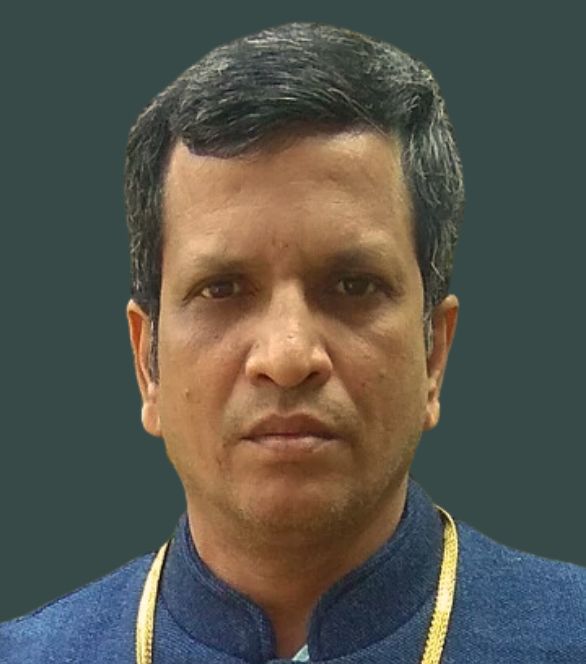
Arindam Lahiri

Arindam Lahiri

CEO of the Automotive Skills Development Council (ASDC)

Dr. Bijaya Ketan Panigrahi

Dr. Bijaya Ketan Panigrahi

Professor, Department of Electrical Engineering, Founder Head, Centre for Automotive Research and Tribology (CART), IIT Delhi

Dr. Harpal Theti

Dr. Harpal Theti

Executive Dean - Corporate Relations & Campus Placements across 30+ Schools & 200+ Courses

Dr Sugumaran Permul

Dr Sugumaran Permul

CEO – JV Skills, DIYguru – Malaysia

Anil Chhikara

Anil Chhikara

CEO – Bluebolt Electric | Chairman, Startup India Foundation

Abhishek Dwivedi

Abhishek Dwivedi

Co-Founder EVeez

Buddha Chandrasekhar

Buddha Chandrasekhar

Chief Coordinating Officer at AICTE, Ministry of Education, India

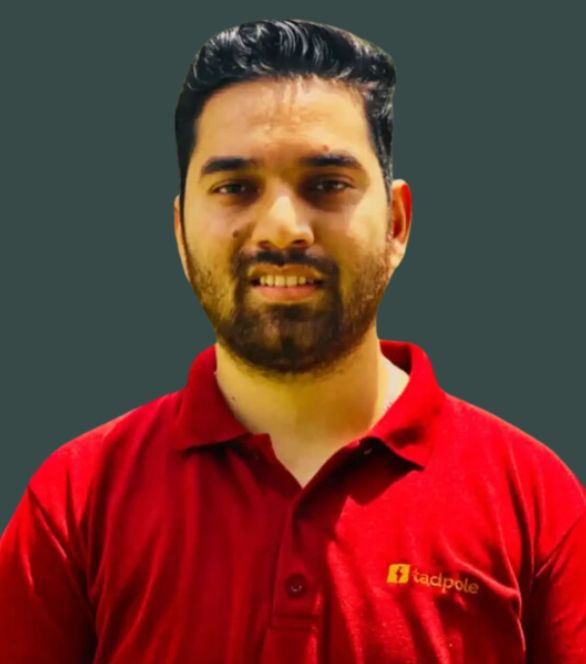
Jawaad Khan

Jawaad Khan

CEO & Founder – Tadpole Projects

Rahul Soni

Rahul Soni

Project Incharge – EVI Technologies

Chinmaya Chetan Biswal

Chinmaya Chetan Biswal

BeepKart-2W | Spinny-4W | Shuttl – EVs in Employee Logistics | MDI | TML

Ankit Khatri

Ankit Khatri

EIR – DIYguru | R&D Testing & Validation Engineer at CREATARA | Ex-ICAT

Certifications

Certifications by Govt., Academia & Industry

DIYguru certifications validate hands-on competence in Electric Vehicle technology and digital engineering. Each program blends project-based learning with industry standards, ensuring graduates demonstrate real-world skills aligned with OEMs and Tier-1 suppliers.

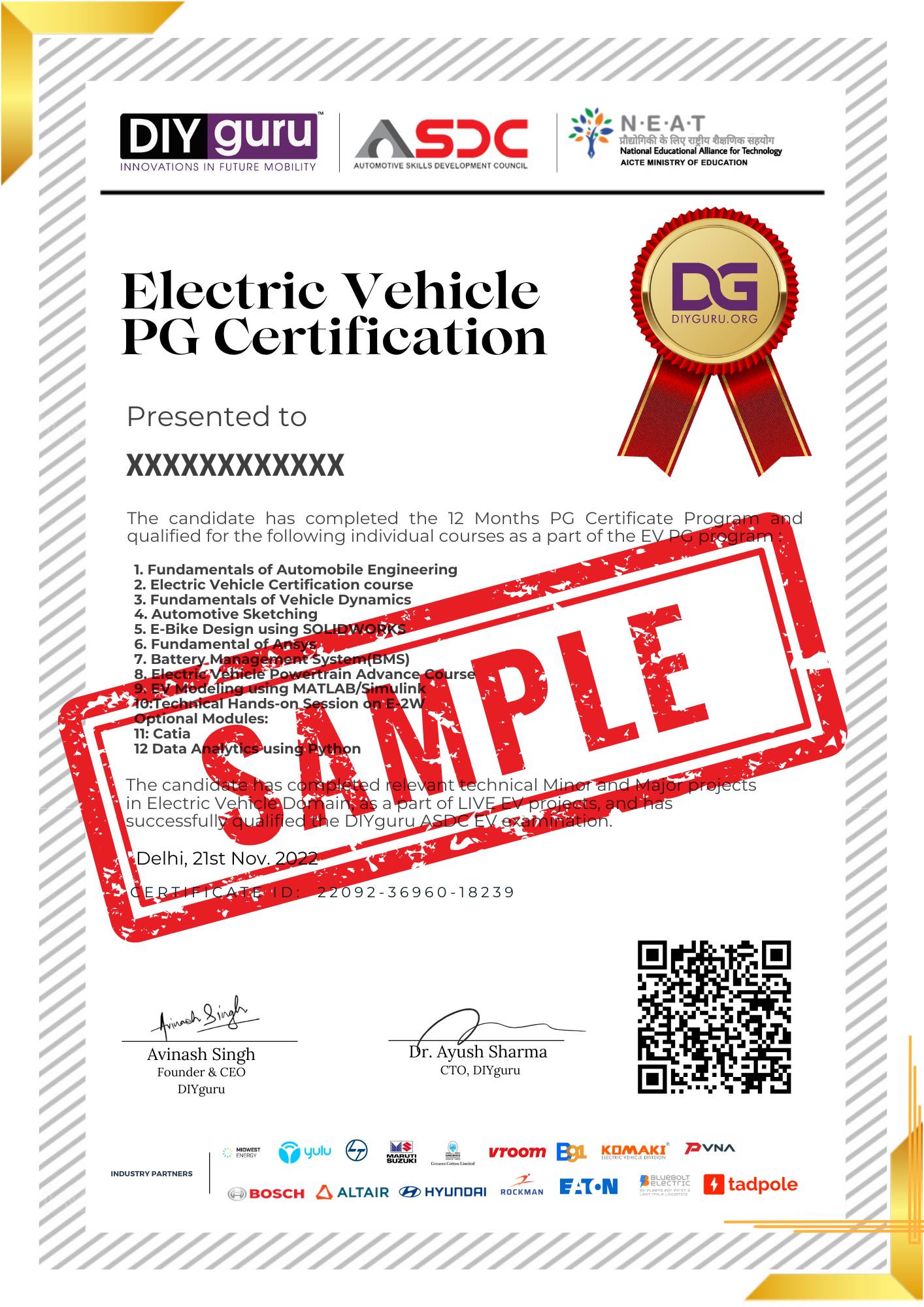
ASDC certificate

Recognized by India's Automotive Sector Skill Council

DIYguru is recognized under ASDC, India's sector skill council for the automotive industry, ensuring every certified learner meets national skill standards. The certification signifies employability in EV design, diagnostics, and service roles aligned with India's automotive skilling framework.

Be career-ready, not just course-ready.

Eligibility

Eligibility Criteria

The ADAS & AUTOSAR Nanodegree is designed for engineers who want to turn their technical foundation into a career in automotive software, ADAS and software-defined vehicles.

Engineering graduates (B.E / B.Tech / M.E / M.Tech)

From disciplines such as: Electrical Engineering, Electronics & Communication, Mechanical / Automobile Engineering, Mechatronics / Instrumentation / Power Electronics.

Apply now ↗

Working Professionals (I)

Professionals currently employed in automotive, energy, manufacturing, or R&D sectors who wish to transition into the EV domain.

Apply now ↗

Working Professionals (II)

Suitable for engineers working in design, testing, software, embedded systems, or maintenance roles seeking specialization in electric mobility.

Apply now ↗

Science graduates (B.Sc / M.Sc)

With strong technical background and interest in EV systems.

Apply now ↗

Diploma holders

With relevant experience, may also apply under lateral entry.

Apply now ↗

Final-Year Students

Final-year engineering or M.Sc students can enroll provisionally and receive certification post degree completion.

Apply now ↗

International Applicants

Open to international learners holding equivalent qualifications in engineering or applied sciences (with English proficiency).

Apply now ↗

Who should enrol

Working Professionals

Engineers from automotive, manufacturing, or energy backgrounds looking to shift into EV roles can fast-track their transition with project-based learning and IIT-certified credentials. (Ideal for roles in EV R&D, Testing, Powertrain, and Battery Design.)

Entrepreneurs & Innovators

Startup founders, service center owners, and professionals planning to launch ventures in EV charging, battery swapping, or retrofitting gain technical and business insights to turn their ideas into scalable operations.

Final-Year & Year Gap Students

Final-year engineering or science students looking for a career-focused, industry-recognized specialization before graduation can enroll and complete the program alongside their academics. Year gap students can apply too.

Faculty & Academic Mentors

Faculty members and technical trainers can upgrade to the latest industry-aligned EV curriculum, enabling them to mentor projects and research aligned with new-age mobility technologies. Useful for college / institutional faculty.

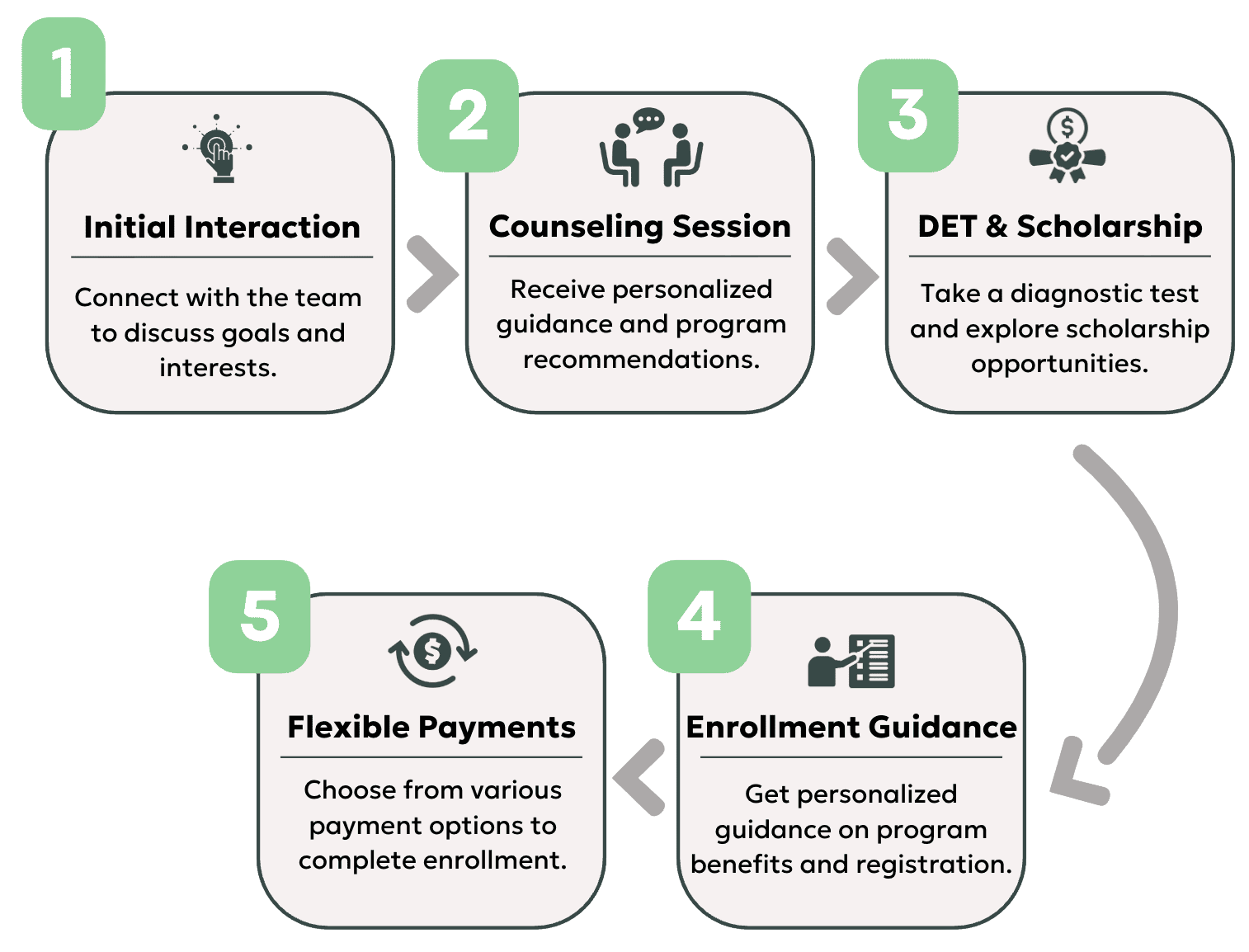
Admission Process

Advanced Nanodegree Certification Program in ADAS & AUTOSAR admission process
Fees

Electric Vehicle Nanodegree — Certification Fee Slabs

Pick the certification that fits your goal. Add the Embedded Kit to either slab.

EV Nanodegree — ASDC & AICTE Certification

₹49,999Base fee + GST

Industry-recognised certification with ASDC & AICTE NEAT backing, hands-on labs and career support.

  • Industry-aligned curriculum with verified partners
  • Access to 4-wheeler EV hardware & diagnostic labs
  • Career support and job access via emobility.careers
  • Hybrid learning (live + self-paced + hands-on)
  • Government-backed ASDC & AICTE / NEAT certification
  • Capstone projects on real EV datasets
  • Letter of Recommendation & internship certificate (EV.care)
  • Dedicated mentor feedback & structured pathway

EV Nanodegree — AICTE & ASDC + IIT Jammu Certification

Most chosen
₹65,000Base fee + GST

Everything in the ASDC & AICTE slab, plus IIT Jammu co-certification and expert mentoring.

  • All features of the ASDC & AICTE slab included
  • IIT Jammu co-certification & expert mentoring
  • Capstone projects mapped to industry outcomes
  • 3 weeks' access to hardware & diagnostic labs
  • Career support and job access via emobility.careers
  • Hybrid learning: live, hands-on, self-paced
  • Dedicated mentor feedback & 1-to-1 career review
  • Optional campus immersion at IIT Jammu

All prices are base programme fees, exclusive of GST. EMI and DET scholarships (up to ₹50,000) available.

How to join
  1. 1Talk to an advisor and check your eligibility
  2. 2Take the DIYguru Entrance Test (DET) for a scholarship
  3. 3Confirm your seat with the registration fee or EMI
  4. 4Start with the next cohort — labs and mentors included
Admissions open

Talk to an EV career advisor

Free, no-obligation counselling. An advisor calls you within 24 hours to understand your background and goals.

  • Eligibility check for this programme
  • Fee slabs, EMI & DET scholarships (up to ₹50,000)
  • Complete syllabus & brochure
  • Career path guidance
Next cohort
7th Dec 2026

Get Free Career Counselling

Speak with an EV career advisor within 24 hours

4.8 / 5 from 5,345 learners — IIT-faculty reviewed curriculum

🔒 Your data is encrypted in transit and never shared.

Journey

Your career powered by
emobility.careers

emobility.careers is DIYguru's career platform — connecting Nanodegree learners with recruiters in the EV and e-mobility ecosystem, from a skill-readiness audit to verified profiles and applications in one place.

Know where you stand before you apply

Get a skill-readiness score based on your course performance, projects, and industry assessments. This helps you understand your strengths and bridge gaps before you face interviews.

Be career-ready, not just course-ready.

emobility.careers is trusted and used by over 110+ future mobility companies

Career Opportunities

According to McKinsey & Company, the global automotive software market is expected to reach US $462 billion by 2030.

By completing industry-oriented projects — AUTOSAR-compliant architecture development and an ADAS lane-departure warning simulation — participants graduate ready for roles in OEMs, Tier-1 suppliers, and automotive software R&D.

  • Advanced Driver Assistance Systems (ADAS) development
  • AUTOSAR-based embedded software development
  • Model-Based Development (MBD) for automotive applications
  • EV powertrain & BMS software engineering
  • Functional safety (ISO 26262) & cybersecurity (ISO 21434) compliance
  • Vehicle communication (CAN, LIN, FlexRay, Ethernet) engineering
  • AI & computer vision for autonomous vehicles
  • RTOS & multi-core processing
  • HIL / SIL / MIL testing for ADAS & EV systems

What recruiters are saying

“DIYguru trained our teams at Bosch in 2019, right at the start of EV adoption in India, delivering far above our expectations. Since then, they have remained a trusted partner, supporting our employees with both LMS access and in-person training across EV domains.”
Shashi Kumar R
Lead – Technical Competence Development, L & D Digitalization
Bosch
Training partner since 2019
LMS accessIn-person trainingAcross EV domains
“DIYguru graduates come with a hands-on understanding of EV systems — not just theoretical knowledge. They're able to contribute from day one to our battery testing and pack assembly operations.”
Sandeep Nair
Recruitment Lead
“We've been consistently impressed by DIYguru-trained engineers. Their grasp on battery design, EV service, repair and diagnostics helps us accelerate product deployment and reduce production time.”
Anjali Mehra
Head of Talent Acquisition
“What stands out is DIYguru's focus on simulation and hardware validation. The engineers we've hired adapt quickly to startup environments — confident with MATLAB, ANSYS, and embedded toolchains.”
Rajat Kapoor
HR Business Partner (Engineering)
“The EV industry needs engineers who can think both technically and systemically — DIYguru graduates bring that balance. Their familiarity with powertrain integration and BMS testing has been a real asset.”
Priya Deshmukh
Learning & Development Manager
“DIYguru's placement ecosystem delivers candidates who understand the complete EV lifecycle — from design and validation to service diagnostics. That readiness is what the industry truly needs right now.”
Kavita Sharma
HR Operations & Employee Relations Manager
“The engineers we've recruited from DIYguru demonstrate excellent command over EV design tools, motor controllers, and safety protocols. Their practical exposure sets them apart from regular graduates.”
Vikram Singh
Head HR
Learners Transformation

Success Stories

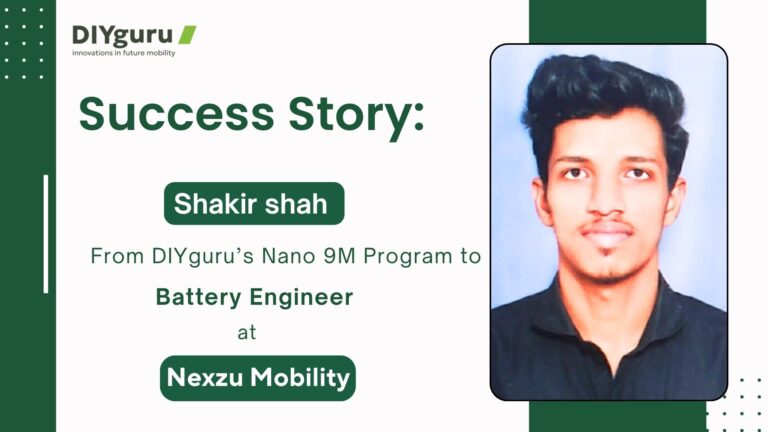
Shakir Shah – From DIYguru's Nano 9M Program to Battery Engineer at Nexzu Mobility

Shakir Shah's journey from the Nano 9M Program to Battery Engineer at Nexzu Mobility.

Read post →

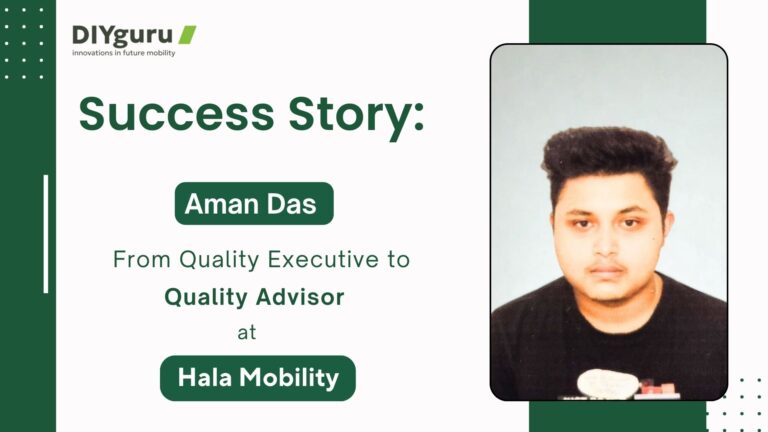
Success Story: Aman Das – From Quality Executive to Quality Advisor

Aman's journey from Quality Executive to Quality Advisor in the EV industry.

Read post →

Nitin Agarwal's Journey from Mechanical Design to EV

Nitin Agarwal, a Mechanical Design Engineer from Najibabad, Uttar Pradesh, has always been passionate about EVs.

Read post →

Arti Soni's Journey from Electrical Engineering to EV

Arti Soni, an Electrical and Electronics Engineer from Pune, always had a passion for electric mobility.

Read post →
“At Infineon, my focus is on advancing power electronics for electric mobility. The training I undertook at DIYguru deepened my understanding of system-level applications and gave me frameworks I could directly connect to our innovation work.”
Souvik Hazra
Senior Manager at Infineon Technologies
“The EV program at DIYguru strengthened my knowledge of control systems and their application in electric powertrains. It has been directly beneficial to my role at Cummins in advancing EV solutions.”
Sharad Yeola
Application Controls Lead, Cummins Inc.
“The EV Controls modules at DIYguru gave me clarity on inverter–motor interaction, torque control, and drive cycle efficiency. The structured projects mirrored real automotive use cases, which I could directly relate to my work at General Motors.”
Mokarram Iqbal
Propulsion Controls at General Motors
“DIYguru's EV program provided me with a clear understanding of emerging technologies and industry trends. It has been instrumental in shaping my research and strategy work at Suzuki in the electric mobility space.”
Mrinal Kumar
Strategy Consultant & Research at Suzuki Motor Corporation
“In my work on EV battery management systems at Mercedes-Benz, I needed both depth in cell balancing strategies and clarity on integration concepts. The training at DIYguru addressed these areas with precision, adding real value to my R&D responsibilities.”
Jagatjit Barik
Senior Research & Development Engineer - BMS (xEV) at Mercedes-Benz
“Working on electrified platforms in construction and forestry equipment demands clarity on high-voltage safety, diagnostics, and drivetrain integration. The training at DIYguru helped me bridge the gap between conventional machinery and emerging EV systems, aligning directly with John Deere's move into hybrid and electric solutions.”
Washid Ali
Technical Information Specialist - Construction and Forestry Division, John Deere India
“Working on EV integration projects at Hydro One required a solid understanding of charging infrastructure, grid load balancing, and V2G systems. The training I took from DIYguru bridged these areas with practical case studies, making it easier to translate concepts into real project execution.”
Hashir Sher
Project Manager at Hydro One
“The EV Powertrain Integration Program at DIYguru provided me with deep insights into system-level design and practical integration. It has been highly valuable for my work in new product development at Exide.”
Yash Anjne
Sr. Engineer - NPD at Exide Energy Solutions Ltd.
“The Solar Integrated EV program at DIYguru gave me a strong foundation in combining renewable energy with electric mobility. The concepts and practical insights have been directly useful in my engineering role at L&T Defence.”
Raghavendra Mogaveera
Electrical Engineer at L&T Defence
Learners Transformation

Don't just take our words for it!

Chandan Kumar Karn
“DIYguru transformed my career in just six months. Their comprehensive EV & Embedded Systems Nano degree equipped me with essential skills, leading to a prestigious job at Sandip University. I'm grateful for the life-changing education and support.”
Chandan Kumar Karn
Head of eMobility Division - Sandip University
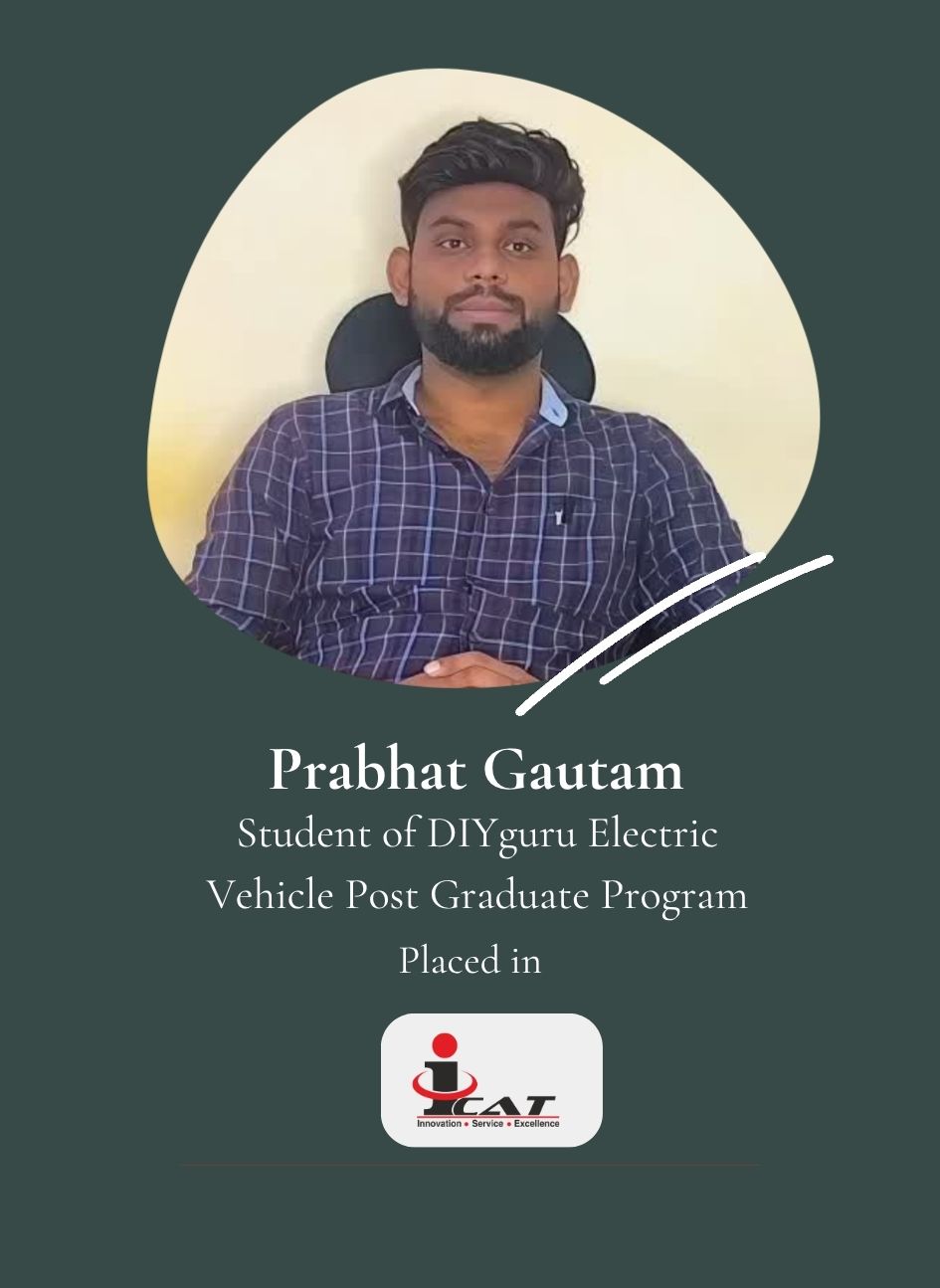
DIYguru gave me the direction I needed to succeed in the EV industry. The PG Program in Electric Vehicles and Embedded Systems equipped me with practical skills in MATLAB, Simulink, and fuel cell technologies. This foundation helped me start at Xero EV and ultimately secure my role as a Research Engineer at ICAT. The hands-on projects and real-world training at DIYguru prepared me to contribute to R&D projects in charging and fuel cell domains.
Prabhat Gautam
Research Engineer at International Centre for Automotive Technology
Prabhat Gautam
Case Study

Case Studies: Why Organizations Trust in DIYguru.

HL Mando BMS (Battery Management System) Training

DIYguru partnered with HL Mando to deliver a comprehensive Battery Management Systems (BMS) training program.

Read case study →

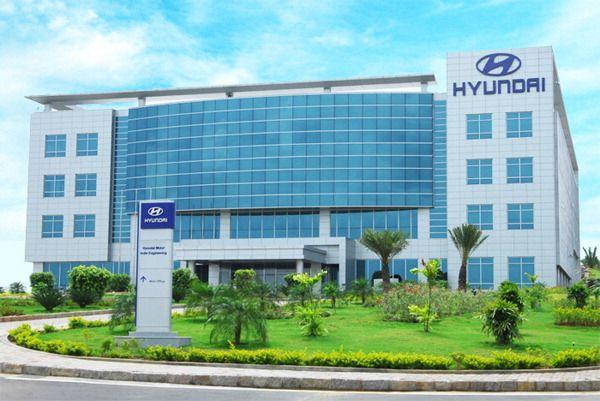
Upskilling Hyundai Motor India Team in the EV Domain

Three months of combined online and offline sessions, each module with hands-on work.

Read case study →

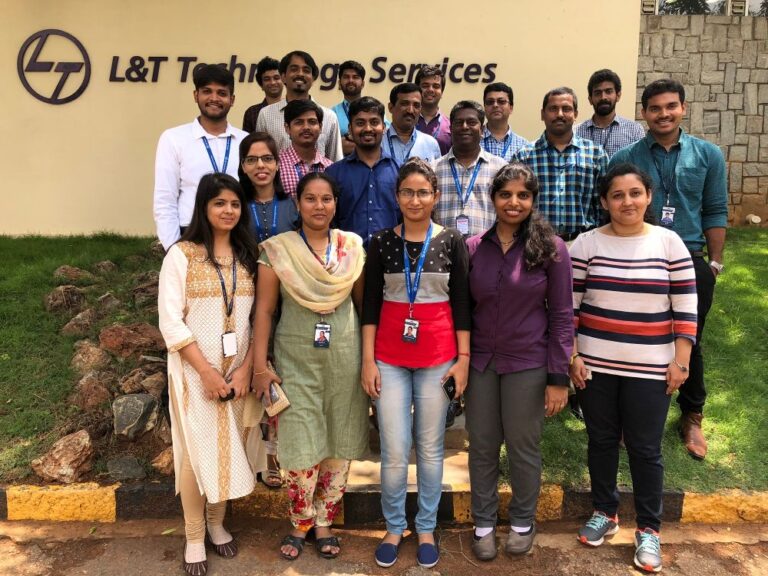
DIYguru and L&T Edutech Collaboration

E-Mobility Centers of Excellence in educational institutions across India.

Read case study →

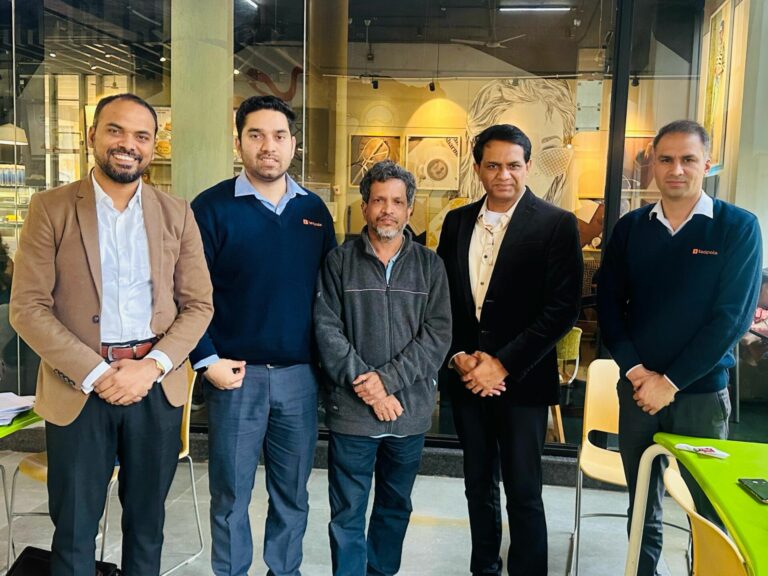
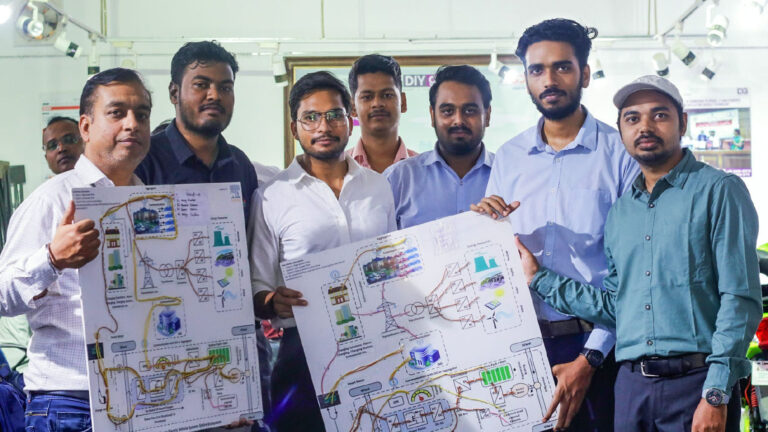
Developing Indigenous EV Training Workbenches

DIYguru and Tadpole Projects, incubated at IIT Delhi, developed three training workbenches.

Read case study →

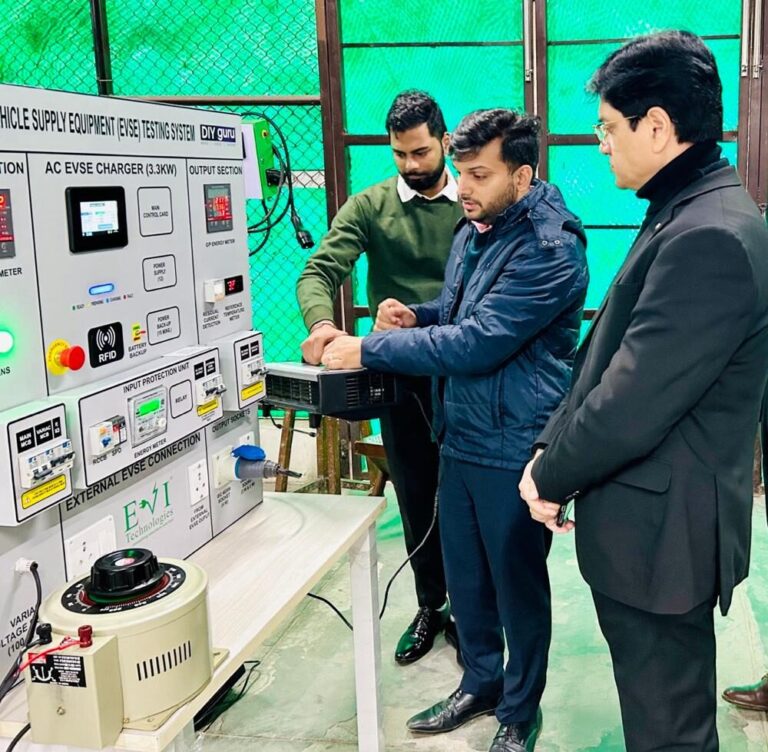
Developing Indigenous EV Charging Kit

With EVI Technologies, under the mentorship of Dr. B.K. Panigrahi from IIT Delhi.

Read case study →

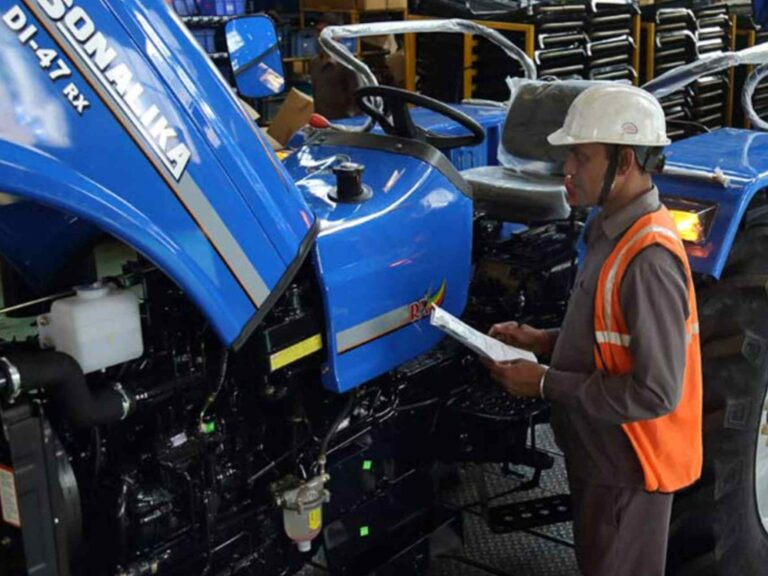
Upskilling Sonalika Tractors (ITL)

EV basics, battery technology, electric motors, power electronics and vehicle integration.

Read case study →

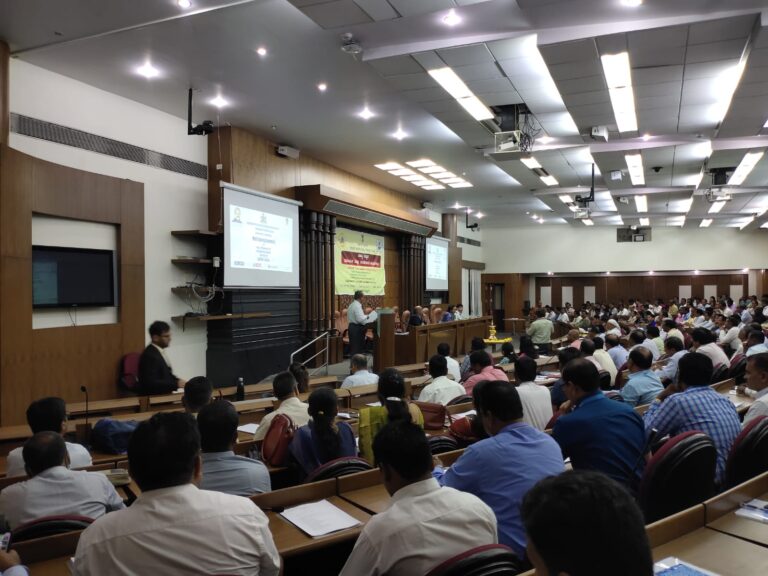
Upskilling ITI Students in Electric Vehicle Technician Training

A programme for ITI students in urban areas and Bangalore.

Read case study →

Empowering Internshala Students in Electric Vehicle Technology

Students from many engineering disciplines, enrolled through Internshala.

Read case study →

Enhancing L&T's Hydrogen Fuel Cell Expertise

Comprehensive knowledge of hydrogen fuel cell technology with practical skills.

Read case study →

TCS Engineers Trained in Electric Vehicle Technology

A comprehensive programme covering every part of EV technology.

Read case study →

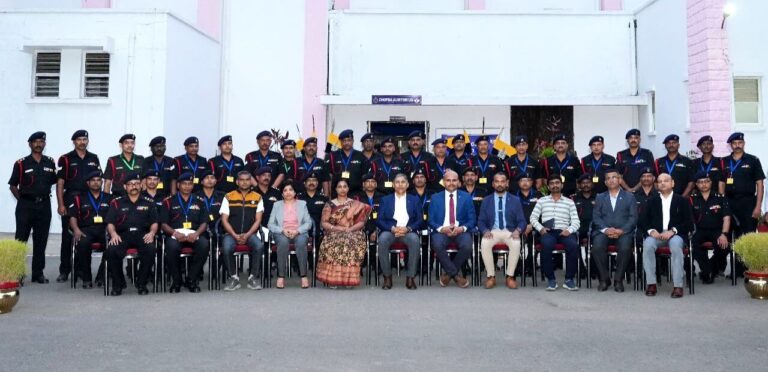
Indian Army Veterans EV Training

Equipping veterans for a successful transition into the EV industry.

Read case study →

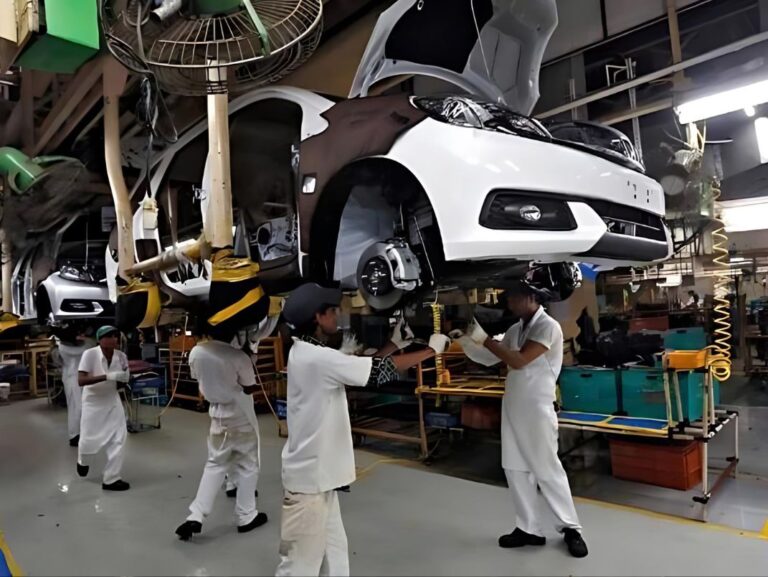
Training Honda Car India Team in 4-Wheeler EVs

Hands-on workshops held at Honda Car India's premises.

Read case study →

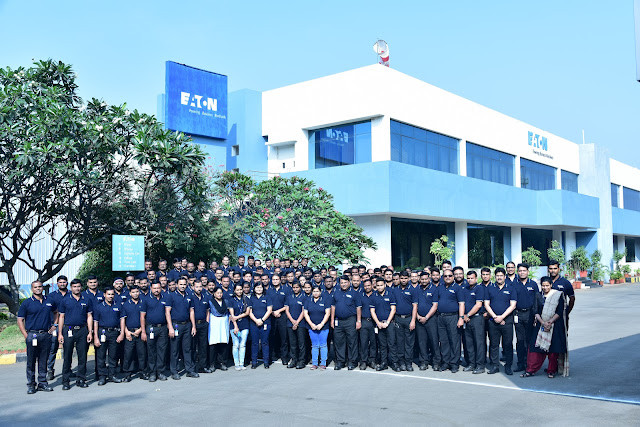
Training Eaton Team in Hydrogen Fuel Cell Technology

Every aspect of fuel cell technology, designed for Eaton's engineers.

Read case study →

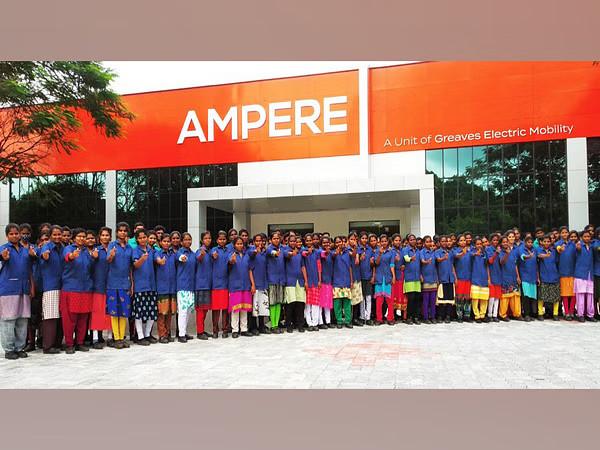
Training Greaves Cotton – Ampere Electric Team

Industry-specific EV training for Greaves Cotton – Ampere Electric.

Read case study →

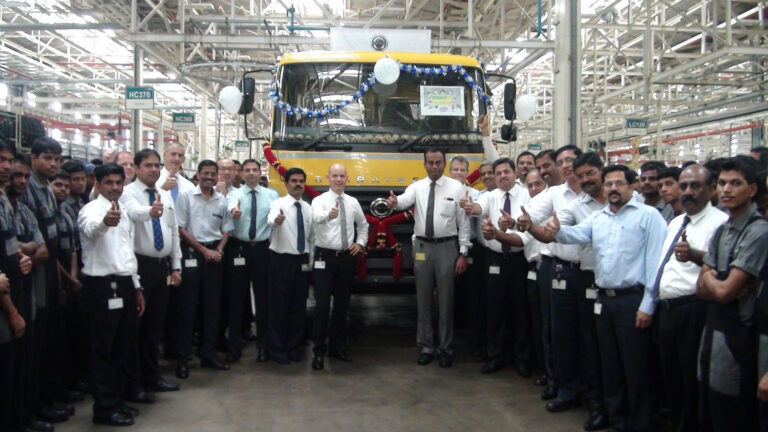
Upskilling Daimler Truck Innovation Center India

Enhancing the technical capabilities of DTICI's team.

Read case study →
Why DIYguru

Why DIYguru EV Programs Stand Out

A modern, feature-rich learning path — benchmarked against generic e-learning providers.

FeatureDIYguruOther platforms
Curriculum validation
✓ Partner-verified curriculum
ASDC • NEAT • IIT • TATA
Varies; often generic
Industry backing
✓ Partner-backed
Designed with real EV workforce upskilling at Hyundai, Bosch, L&T, Daimler, Sonalika, John Deere & Eaton.
Verified with partners rarely
Hands-on labs
✓ Multi-location EV labs
Access available in Delhi • Pune • Malaysia • Saudi Arabia • Germany.
Limited simulators
Hardware
✓ Real hardware rigs
20+ guided experiments on batteries, chargers, sensing, and control.
Limited kits
Career support
✓ EV-specific portal
Portfolio, interview prep, role mapping, referrals with exclusive, EV-focused listings with role-skill mapping and recruiter access.
Generic boards
Certification
✓ Multiple pathways
ASDC (Govt. of India) • NEAT AICTE (Ministry of Education) • IIT • TATA Technologies.
Limited/none
Learning path
✓ Structured pathway
Multiple levels, from foundations to specialization.
Video-only often
Interview prep
✓ Included
Templates, rubrics, code review, mock interviews day.
Occasional
Mentorship
✓ One to one
Structured mentor sessions, integrated with projects.
Community only

Note: “Other platforms” is a generalized comparison. Actual availability may differ per provider.

Frequently Asked Questions

What is the DIYguru ADAS & AUTOSAR Nanodegree?

A 6-month, industry-driven programme in automotive software: software-defined vehicles, AUTOSAR Classic and Adaptive architecture, and ADAS design and simulation in MATLAB & Simulink, finishing with an AUTOSAR architecture project and an ADAS lane-departure warning capstone.

Who is eligible to apply?

Engineering students, graduates and working professionals from Electronics, Electrical, Computer Science, Instrumentation, Mechatronics or Automobile backgrounds who want to work on automotive embedded software, ADAS or AUTOSAR.

Do I need prior AUTOSAR or ADAS experience?

No. The programme starts with EV essentials and model-based design before moving into AUTOSAR and ADAS. Basic programming (C or MATLAB) helps; the optional ARM Cortex kit covers embedded fundamentals for those who need them.

Which tools will I use?

MATLAB, Simulink and the Automated Driving Toolbox, QSS Toolbox, Vector tools, AUTOSAR Builder, STM32CubeIDE, LTSpice and Python.

What certification will I receive?

A DIYguru Nanodegree certificate recognised by ASDC and listed under AICTE NEAT, with IIT Jammu co-certification on the IIT Jammu fee slab. See the fee slabs on this page for what each one includes.

What are the fees?

₹49,999 for the ASDC & AICTE certification slab and ₹65,000 for the slab with IIT Jammu co-certification (base fees, GST extra). The Embedded Kit can be added to either for ₹10,000. EMI and DIYguru Entrance Test scholarships of up to ₹50,000 are available.

Does the programme include career support?

Yes. You get interview preparation, a verified profile on emobility.careers and access to hiring partners in the EV and automotive software domains.

Can working professionals enrol part-time?

Yes. Live classes run on weekends and every session is recorded, so you can learn alongside a full-time job.

Still have questions?

Can't find the answer you're looking for? Please chat to our friendly team.

Get in touch
Free 5-minute assessment

Where do you stand in the EV revolution?

Your EV knowledge score, your strongest and weakest domains, the career pathway that matches you, and a free EV Career Path Guidebook (PDF). 5 minutes · 10 questions.