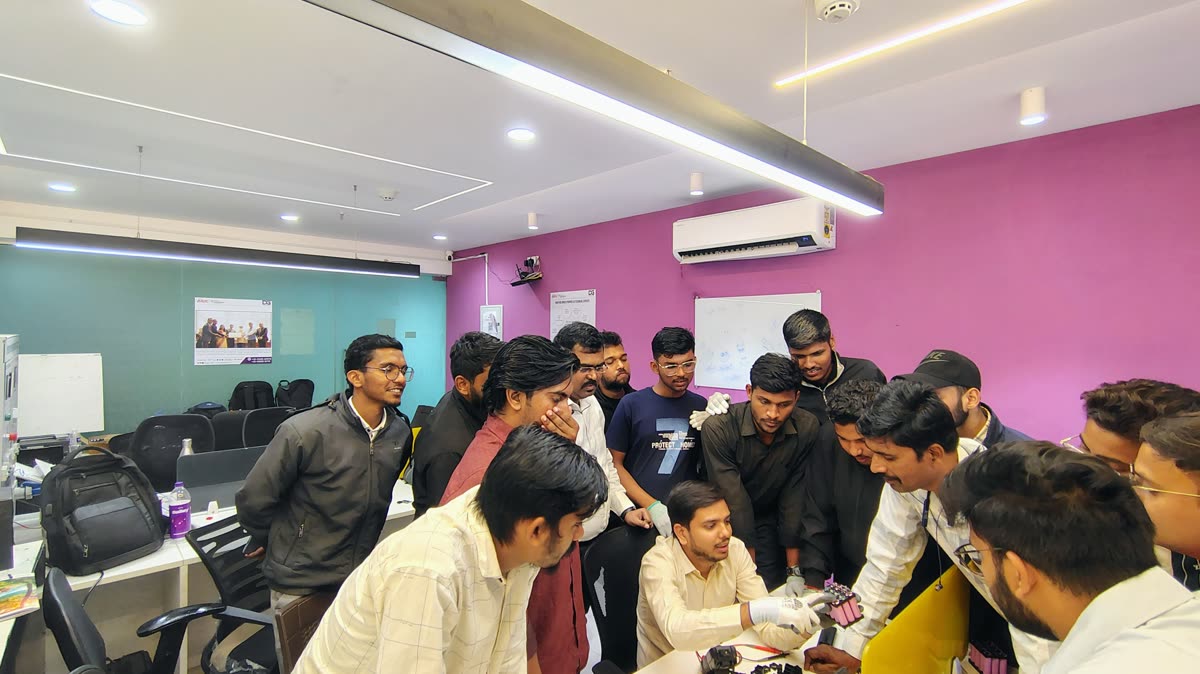
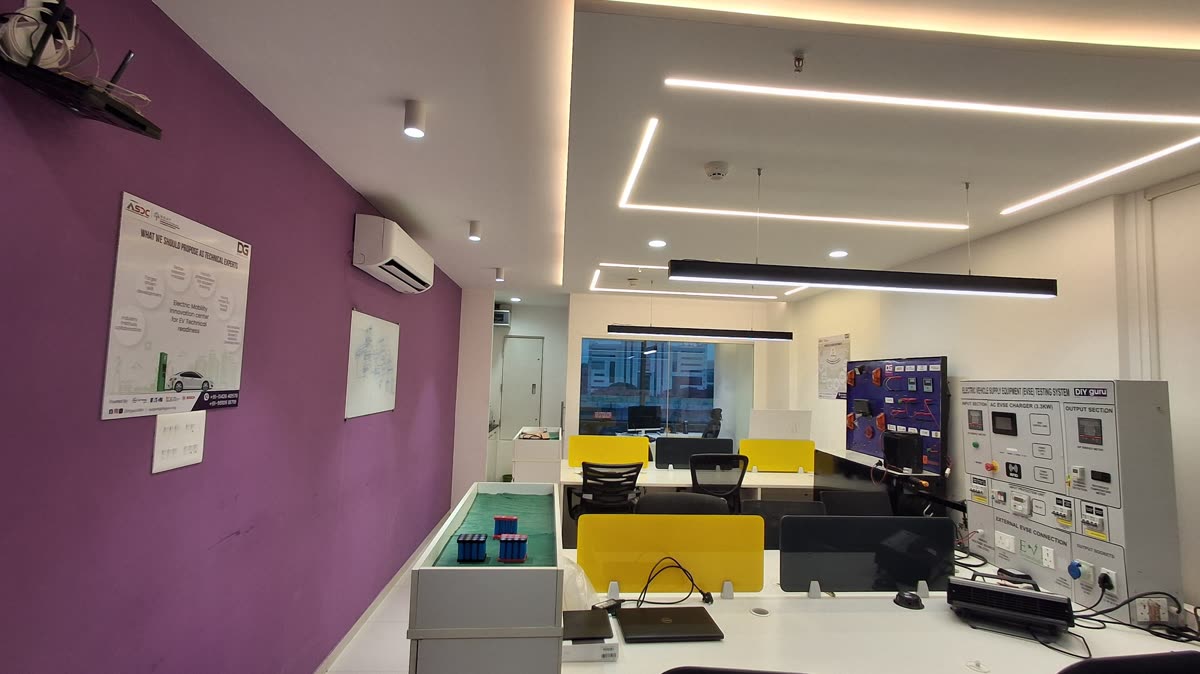
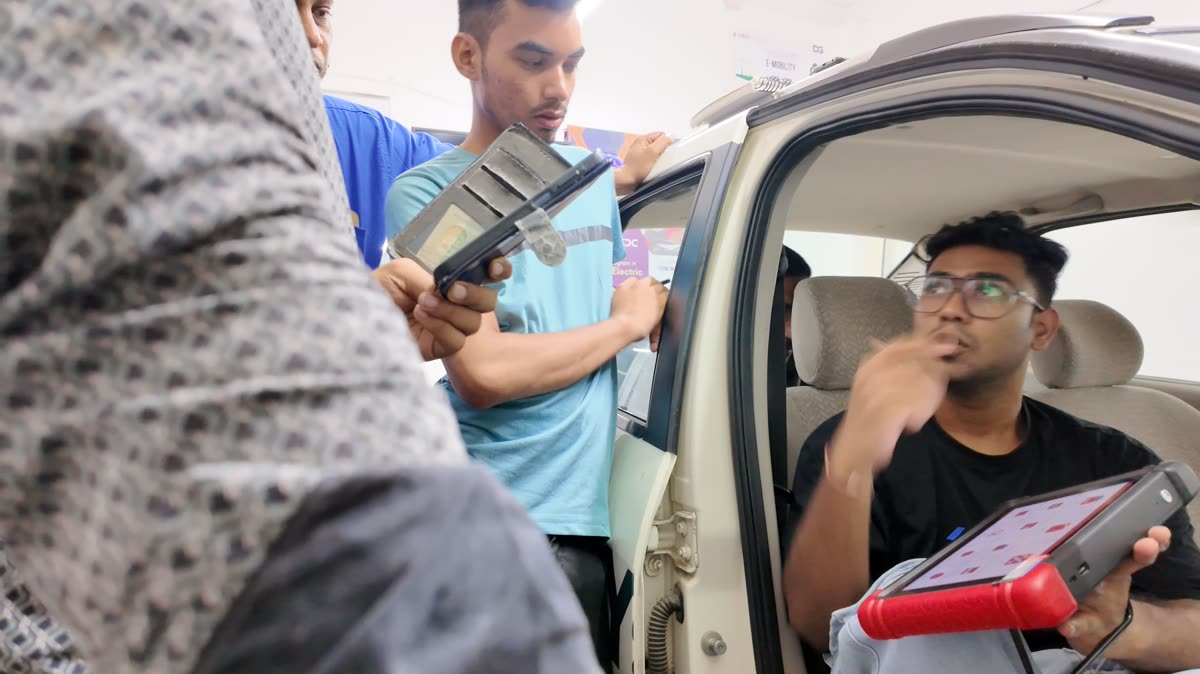
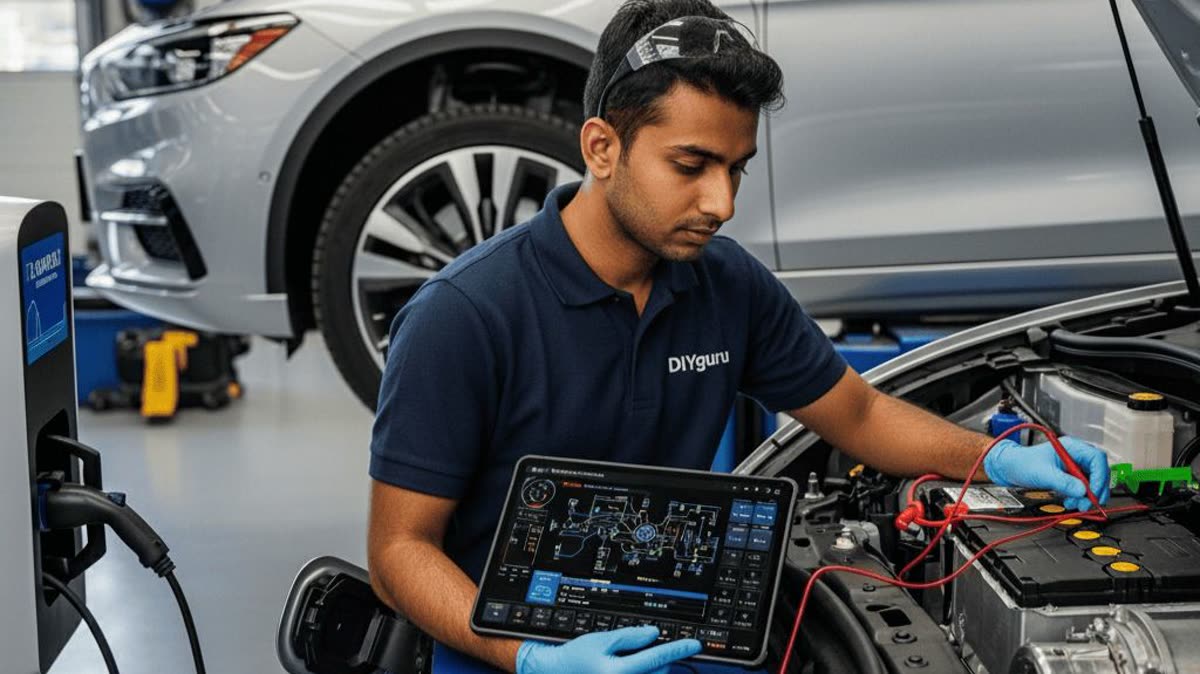
Our EV courses are taught online, so you can follow electric vehicle training from anywhere in Australia. Each programme combines live classes, recorded lessons, projects and assessments on the learner portal. You receive a certificate when you complete it.
Live online classes with EV engineers
Recorded lessons to study on your schedule
Projects, assessments and a certificate
Optional hardware kit and hands-on workshops in India
Our admissions team replies by email or WhatsApp with fees, payment options for your country and the next batch dates.
Photo: Sydney Opera House by BAVhah, CC BY-SA 4.0, via Wikimedia Commons
EV skills in Australia
Australia's EV market as of 2025
Sydney Opera House, Australia
Australia's New Vehicle Efficiency Standard came into effect on 1 January 2025. It sets an average CO2 target that each car maker must meet across the new passenger and light commercial vehicles it supplies, with the emissions targets applying from 1 July 2025.
The standard pushes brands to bring more low- and zero-emission models into the country. That creates work in engineering, compliance, battery systems, charging and after-sales service, alongside the existing trade pathway for EV technicians.
Efficiency standard
The NVES covers new passenger and light commercial vehicles up to 4.5 tonnes gross vehicle mass, and has its own regulator.
A national EV qualification
The national training package includes AUR32721 Certificate III in Automotive Electric Vehicle Technology, with high-voltage units for battery electric vehicles.
Charger installation is electrical work
Hardwired chargers are installed by licensed electricians to the AS/NZS 3000 wiring rules, with paperwork that varies by state.
Programmes
Electric vehicle programmes for learners in Australia
Every programme below is open to learners in Australia. The first 5 fit the Australia market best; the rest cover other EV specialisations.
A six-month, live and hands-on Advanced Nanodegree in EV Modelling & Simulation Engineering for electrical and electronics engineers, created by IIT Jammu in…
A six-month, live and hands-on Advanced Nanodegree in Battery and BMS Design, Analysis and Simulation, created by IIT Jammu in collaboration with I3C–IIT Jammu and…
A six-month, live and hands-on Advanced Nanodegree in ADAS & AUTOSAR, created by IIT Jammu in collaboration with I3C–IIT Jammu and DIYguru, that takes you from sensor…
A 12-month, hybrid Post Graduate Certificate Programme in EV & Embedded Technology, created by IIT Jammu in collaboration with I3C–IIT Jammu and DIYguru, that takes…
A six-month, live and hands-on Advanced Nanodegree in EV engineering, automotive design, development and dynamic analysis for mechanical and automotive engineers…
A six-month, live and hands-on Advanced Nanodegree in Embedded Systems for EV engineering, created by IIT Jammu in collaboration with I3C–IIT Jammu and DIYguru. You…
An industry-focused Nanodegree in Analytics & Data Science that starts you on the path to becoming a data analyst in the automotive and EV sector. An 8-step curriculum…
An industry-ready Professional Certification Programme in EV Sales & Business, delivered through live classes and practical learning. Across six modules you learn how EV…
CEVT is a three-month, live and hands-on Certified Electric Vehicle Technician programme that prepares ITI, Diploma and Polytechnic learners for careers in 2W and 4W EV…
The Advanced Nanodegree in electrical EV modelling and simulation suits engineers moving into powertrain or energy-storage roles.
Battery and energy-storage professionals
The battery and BMS Nanodegree covers cell modelling, pack design and battery management simulation.
Charging and energy sector staff
The charging technology and hydrogen programme explains charger types, standards and grid issues in three months.
Software and controls engineers
The ADAS and AUTOSAR Nanodegree is aimed at engineers working on vehicle software and driver assistance.
Studying from Australia
How the training works
1. Enrol online
Apply from Australia, and our admissions team shares the fees, payment options and batch dates for your country.
2. Learn live and on demand
Join live classes with EV engineers, then go back to recorded lessons, notes and quizzes whenever you need them.
3. Build and simulate
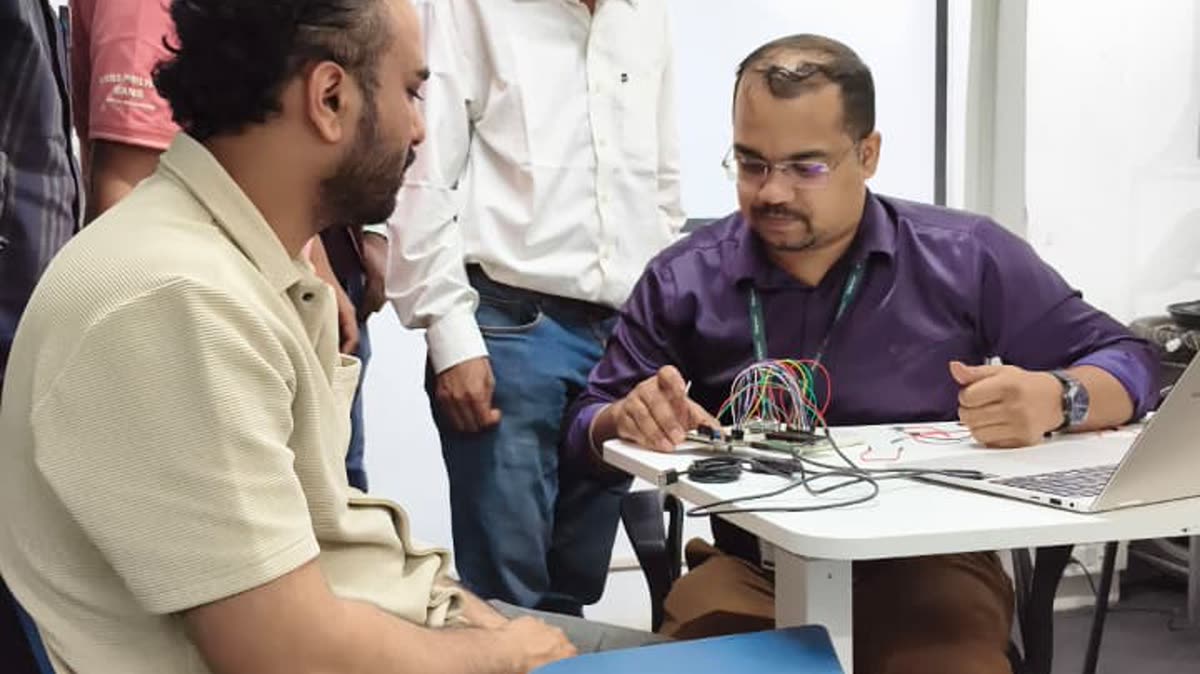
Work through design calculations, simulations and projects. An optional DIY hardware kit lets you practise on a real control board at home; ask the team about shipping to your country.
4. Go hands-on (optional)
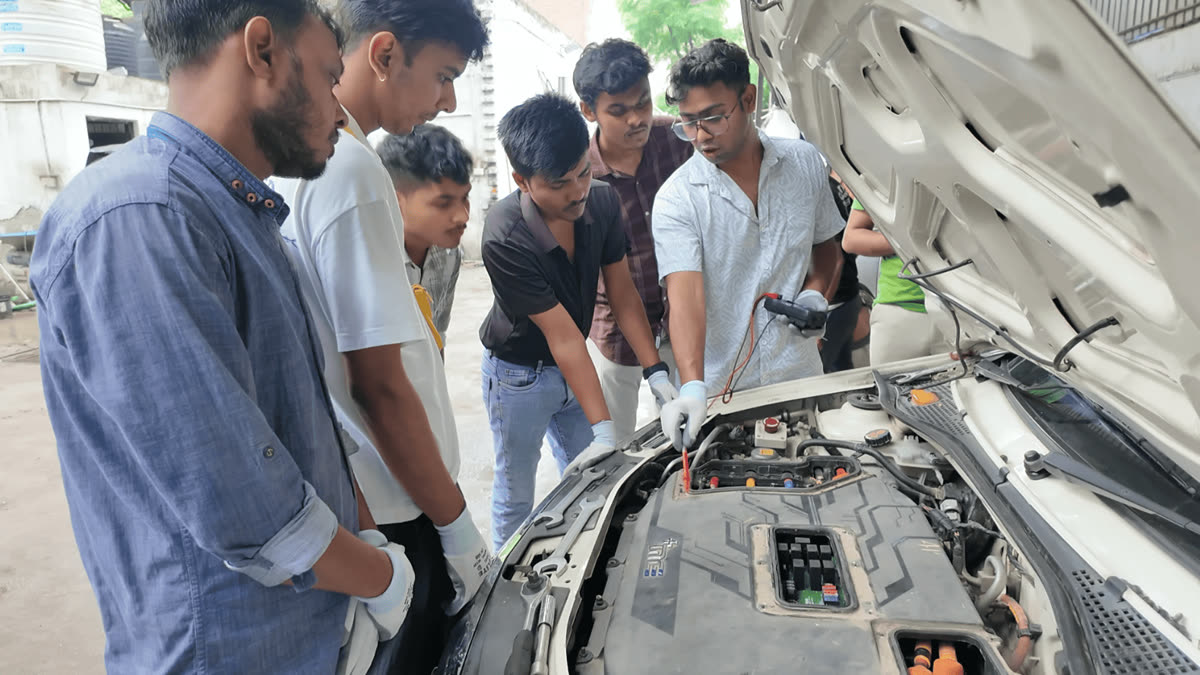
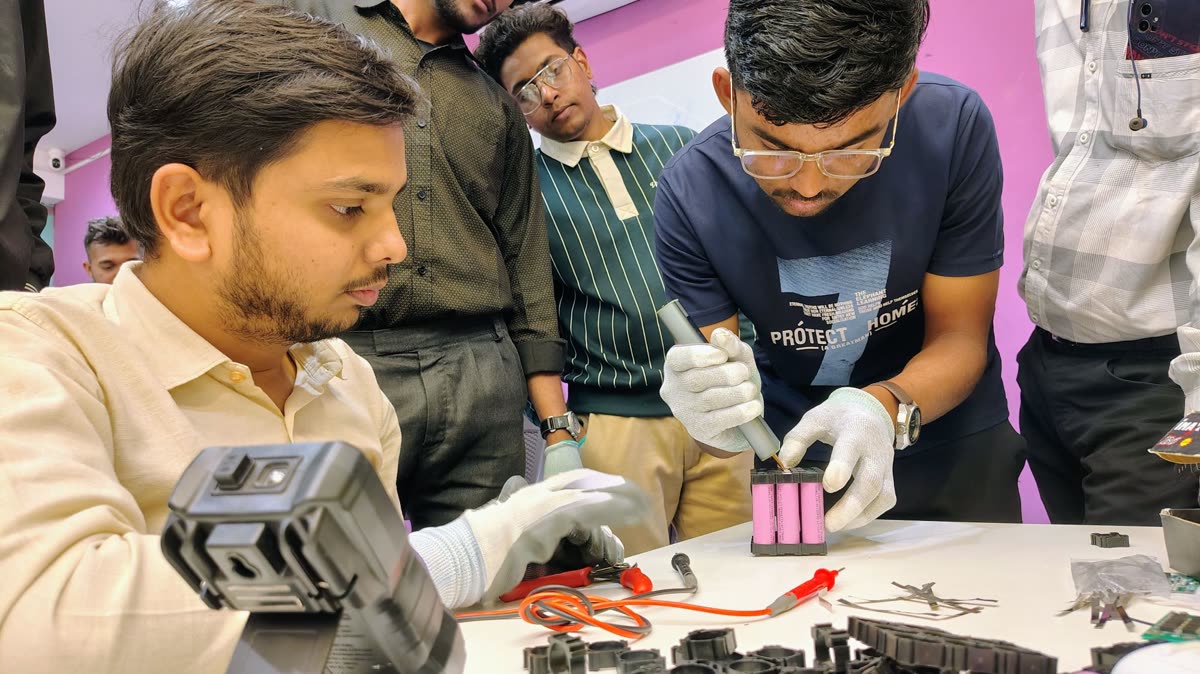
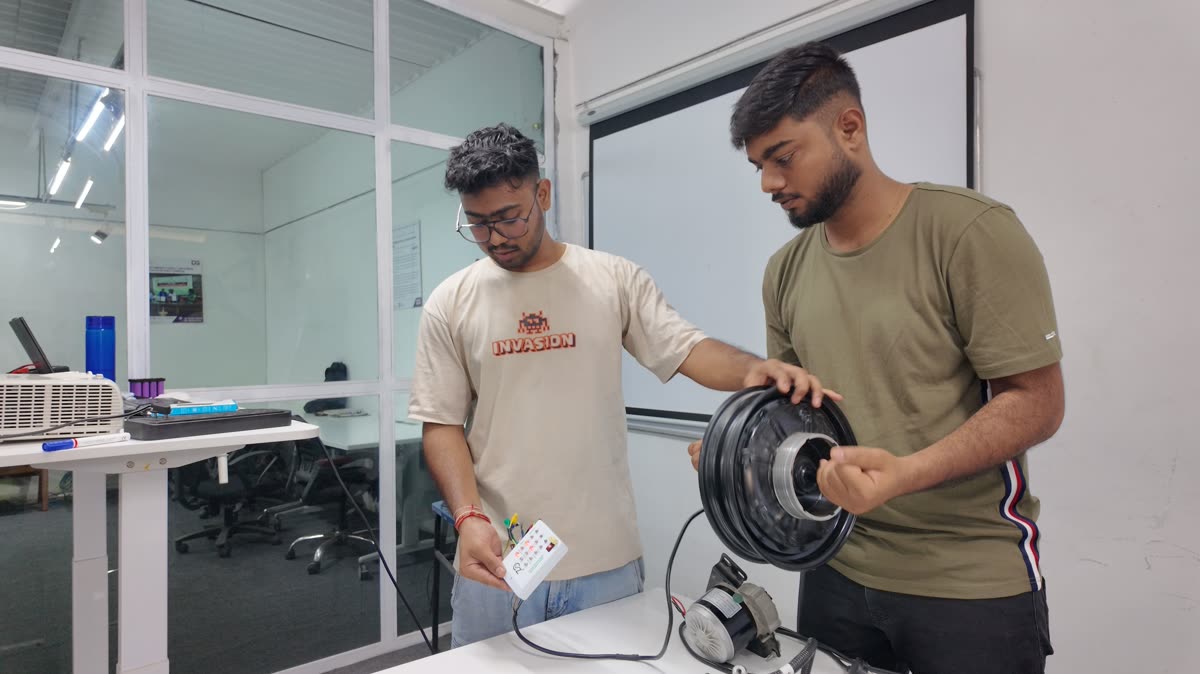
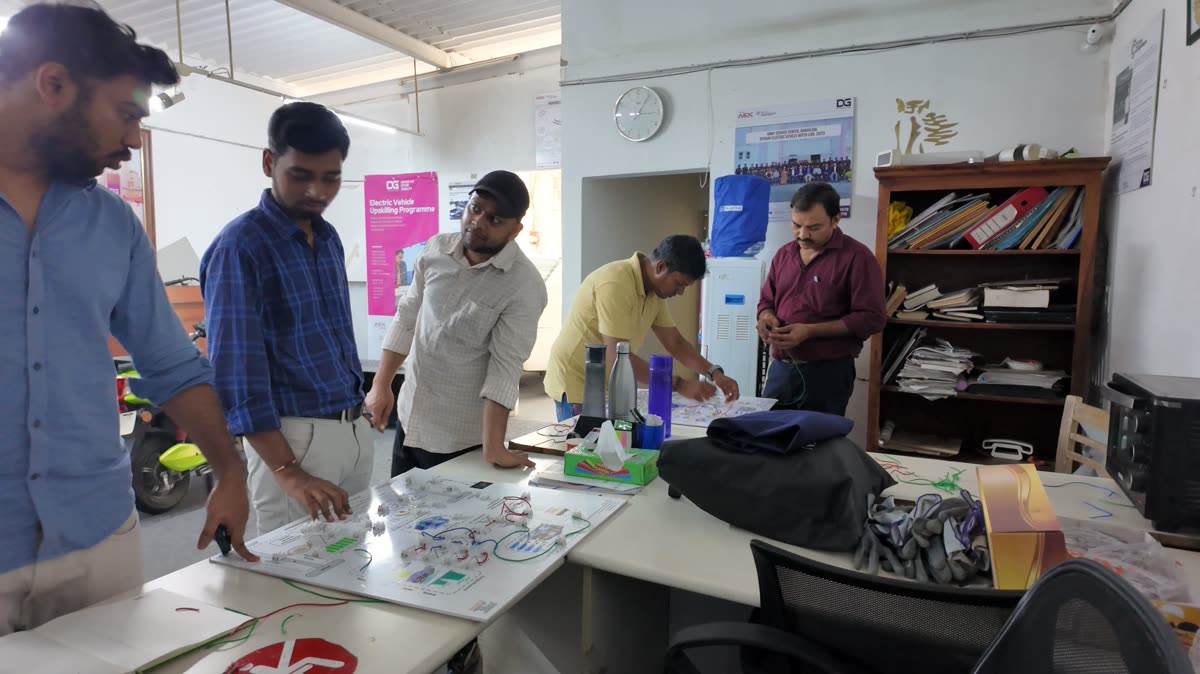
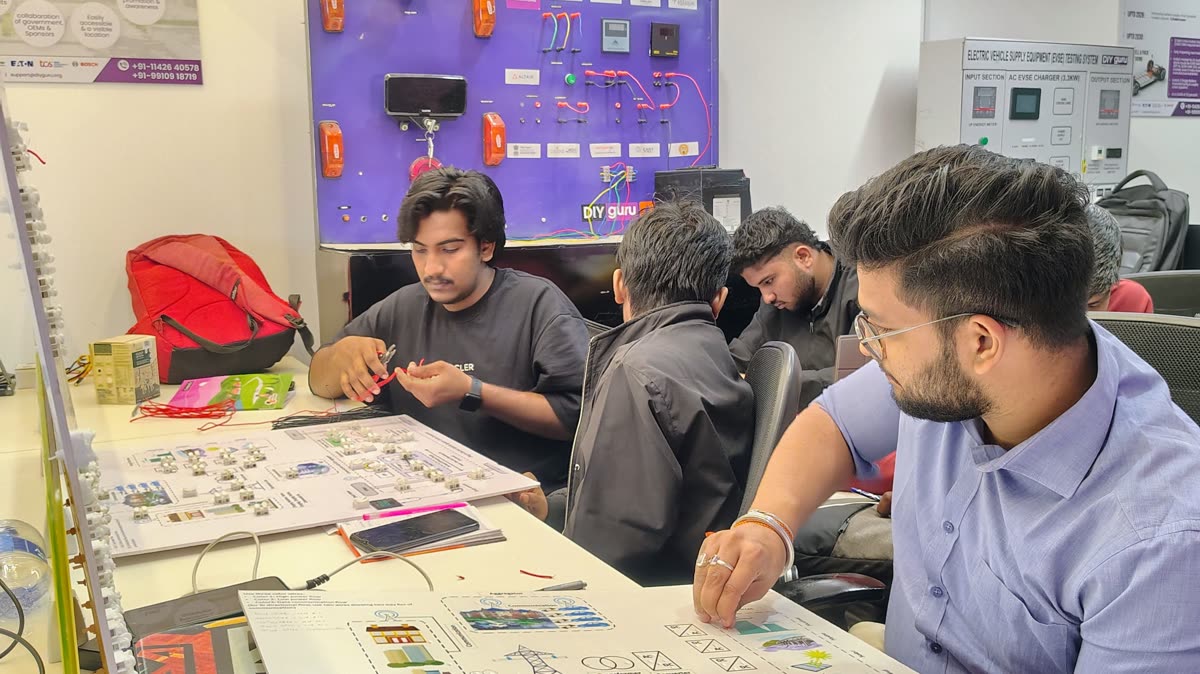
Some programmes include hands-on workshops at our centres in India for work on batteries, motors, controllers and diagnostics.
5. Get certified
Finish the projects and assessments to earn your certificate, with a verification link you can share with employers.
Certificates
Certificates and EV work rules in Australia
In Australia, high-voltage EV repair skills are covered by nationally recognised units such as those in AUR32721 Certificate III in Automotive Electric Vehicle Technology, delivered by registered training organisations. Installing a hardwired charger is electrical work for a licensed electrician under state and territory rules. Our certificate shows that you completed our training. It is not an Australian qualification or an electrical licence, and it does not authorise you to work on high-voltage systems.
FAQs
EV training in Australia: common questions
Is this EV course in Australia fully online?
Yes. Classes, lessons, projects and assessments all run on our learner portal, so there is nothing to attend in person in Australia.
What time are live classes in Australian time?
Live classes run on Indian Standard Time. Sydney is 4.5 hours ahead of India in winter and 5.5 hours ahead during daylight saving, so an evening class in India falls late at night on the east coast; recordings cover any you miss.
Does this replace the Certificate III in Automotive EV Technology?
No. That is a nationally recognised trade qualification. Our programmes add design, battery and software knowledge but do not count towards it.
Can I get practical experience?
You can buy an optional DIY electronics and embedded kit; ask the team about shipping to Australia. Hands-on workshops are only held at our centres in India.
How do I pay from Australia?
The admissions team shares fees and payment options for your country.
What time are the live classes in Australia?
Live classes are scheduled in Indian Standard Time, and Australia is 5 hours 30 minutes ahead of India (IST). A class at 7:00 pm IST starts at 12:30 am the next day your time. Most sessions are recorded to your learner portal, so you can catch up when a class falls outside your hours.
Which is the best EV course in Australia?
The best course depends on your background. For most learners in Australia we suggest the Advanced Nanodegree Certification Program in EV Engineering, Design, Simulations, and Analysis or the Advanced Nanodegree Certification Program in Battery and BMS Design, Analysis, & Simulation; our admissions team can compare options against your experience and goals.
How long does an electric vehicle course take?
Professional Certification Programmes run for about 3 months, the CEVT technician programme 3 months, Advanced Nanodegrees 6 months and the Post Graduate programme 12 months.
Is there EV training near me in Australia?
We do not run a campus in Australia. The programmes are taught live online, so you can join from anywhere in Australia; hands-on workshops, where a programme includes them, take place at our centres in India.
Can a car mechanic in Australia learn EV repair online?
Yes. The CEVT programme covers EV batteries, motors, controllers, charging and diagnostics for two- and four-wheelers, with an optional hands-on workshop in India. Always follow your employer's high-voltage safety rules before working on a vehicle.
Which EV programme suits an engineering graduate?
Electrical and electronics engineers usually pick the EV modelling or battery and BMS Nanodegrees, mechanical engineers the EV automotive design Nanodegree, and embedded or software engineers the embedded systems or ADAS & AUTOSAR tracks.


 Nanodegree