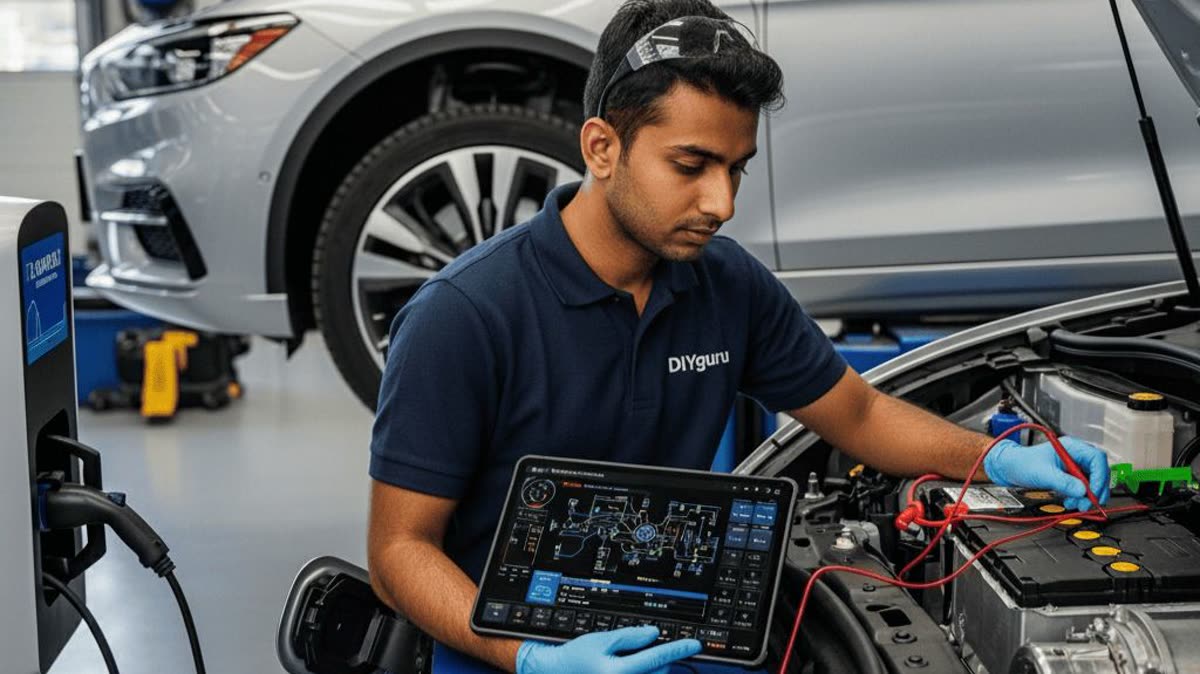
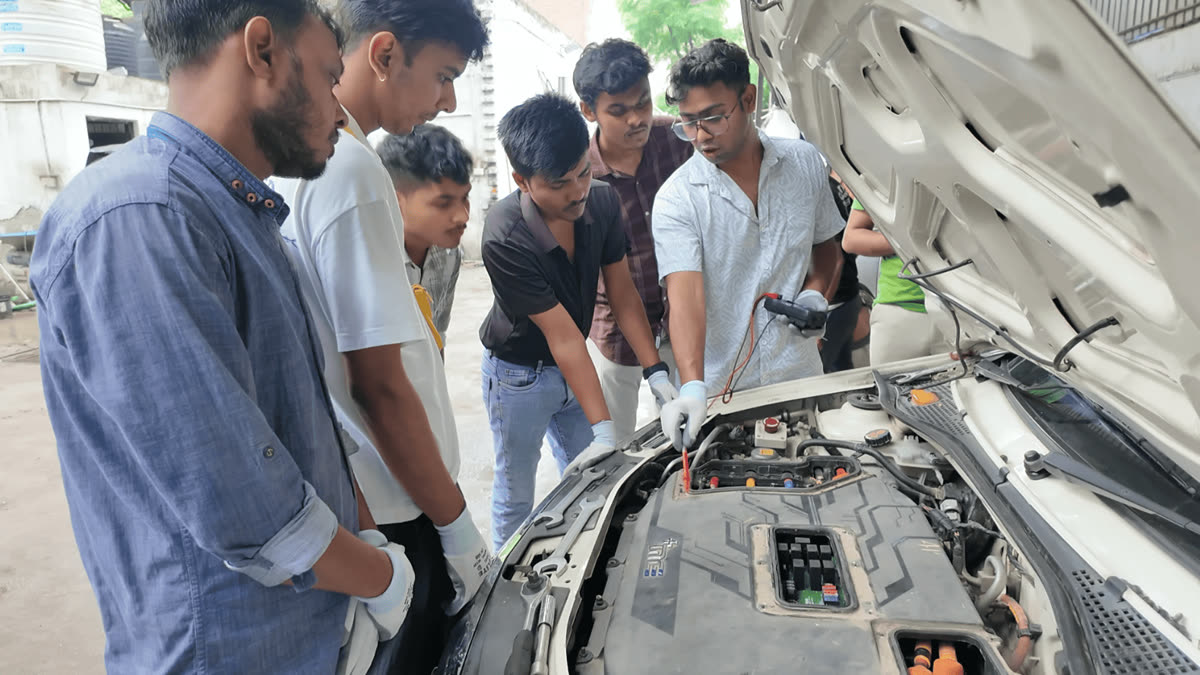
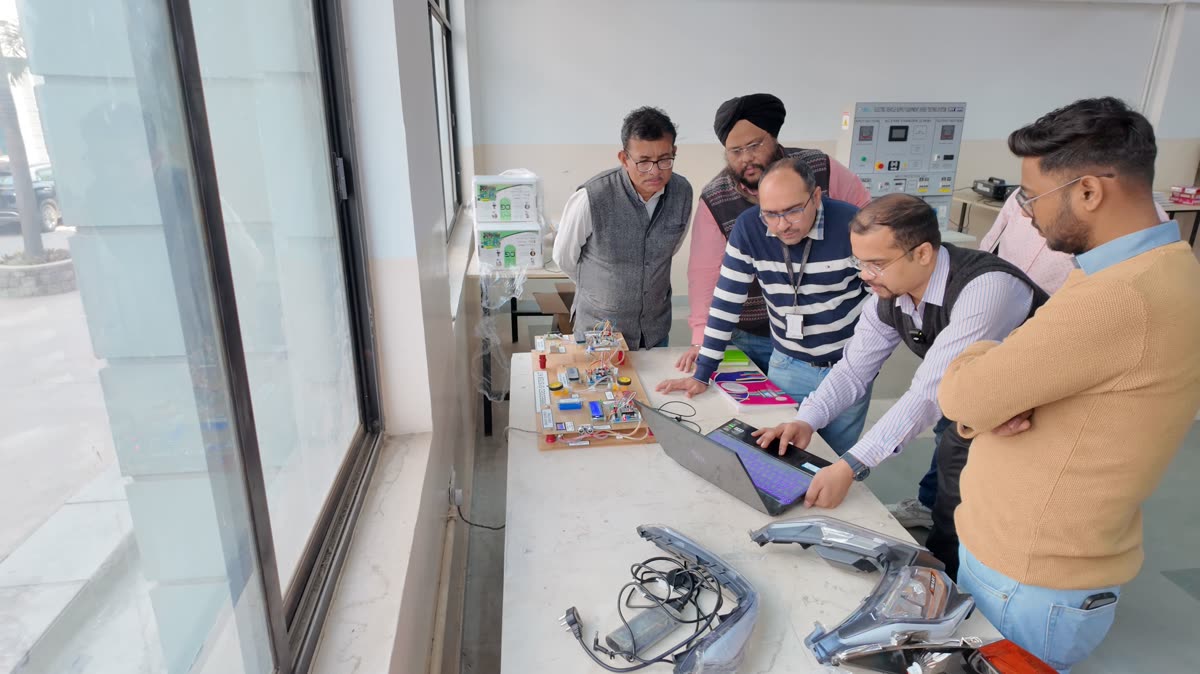
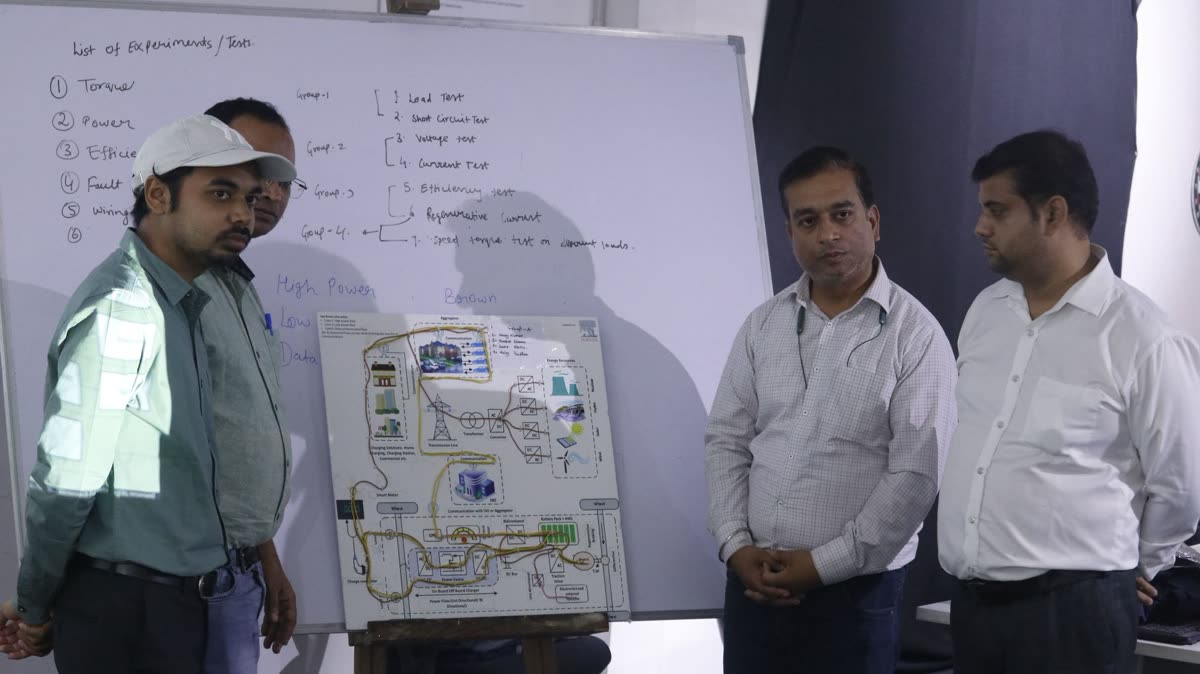
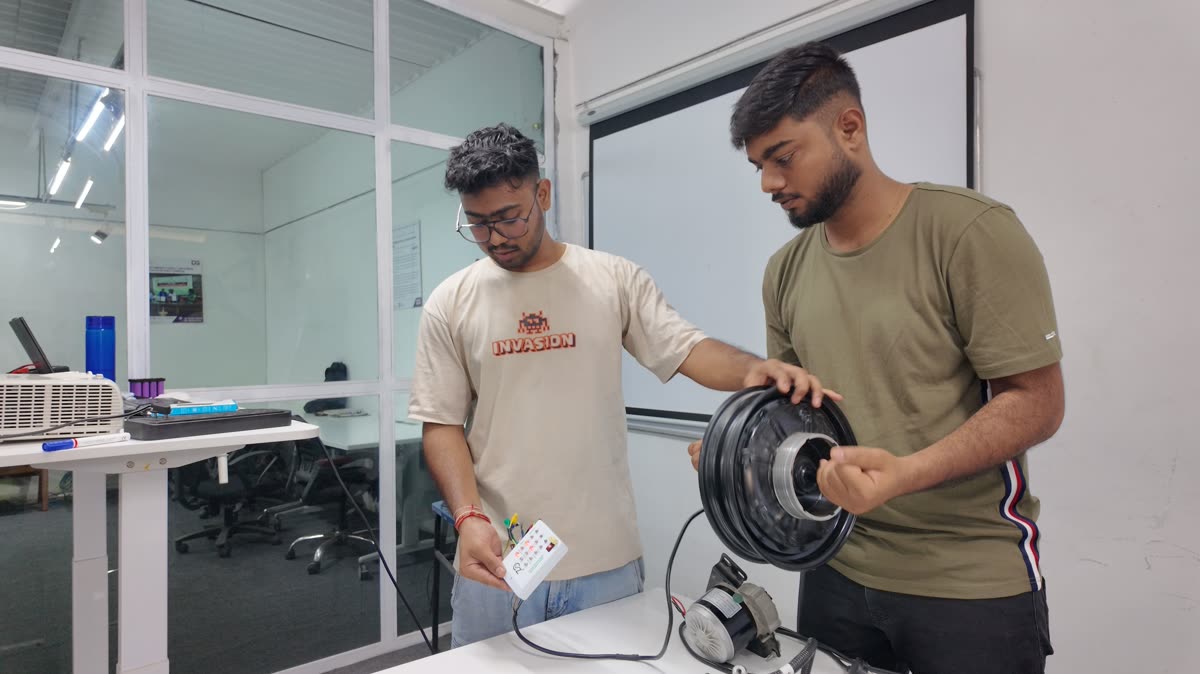
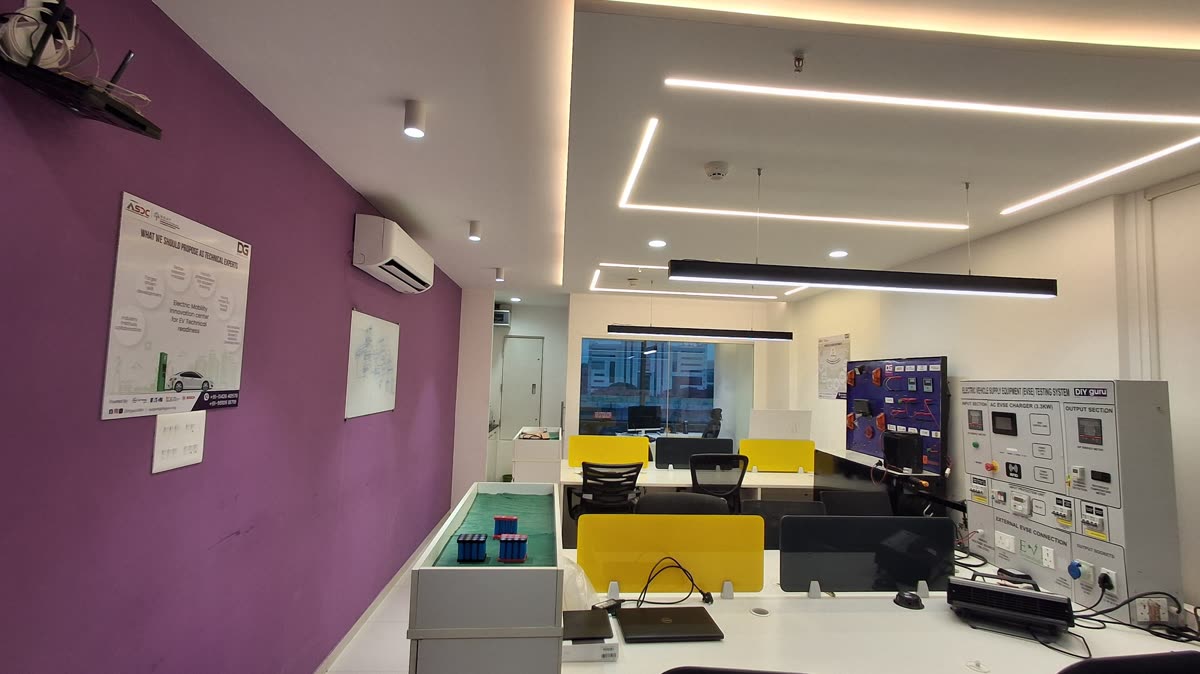
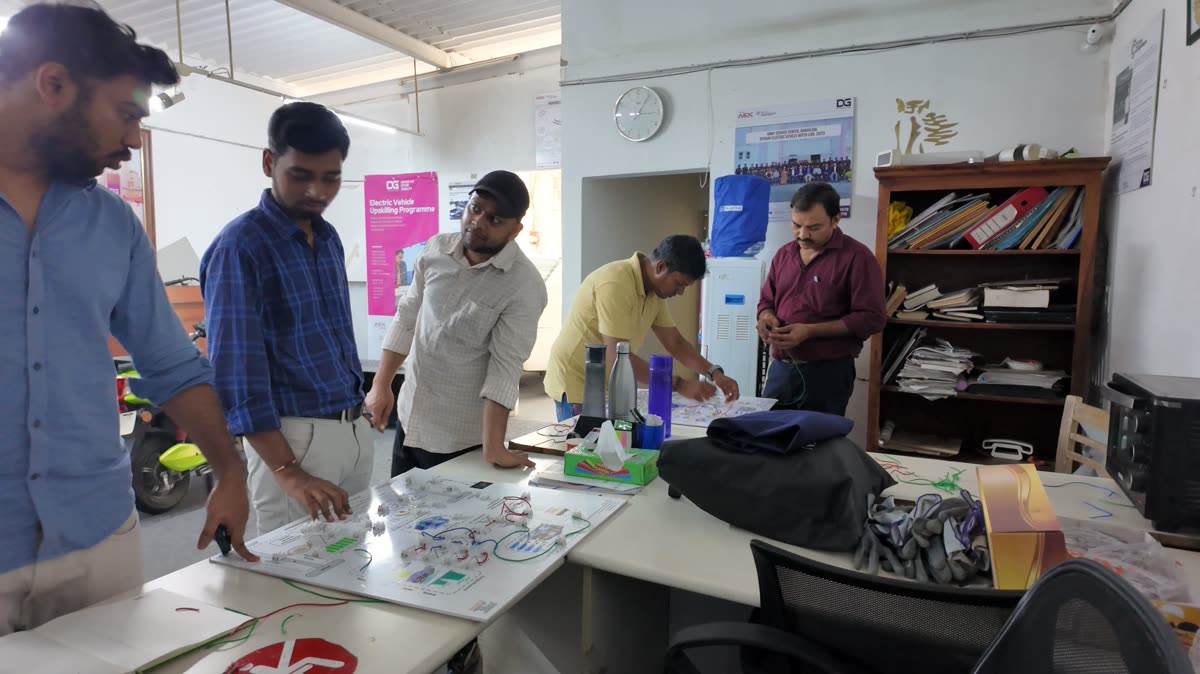
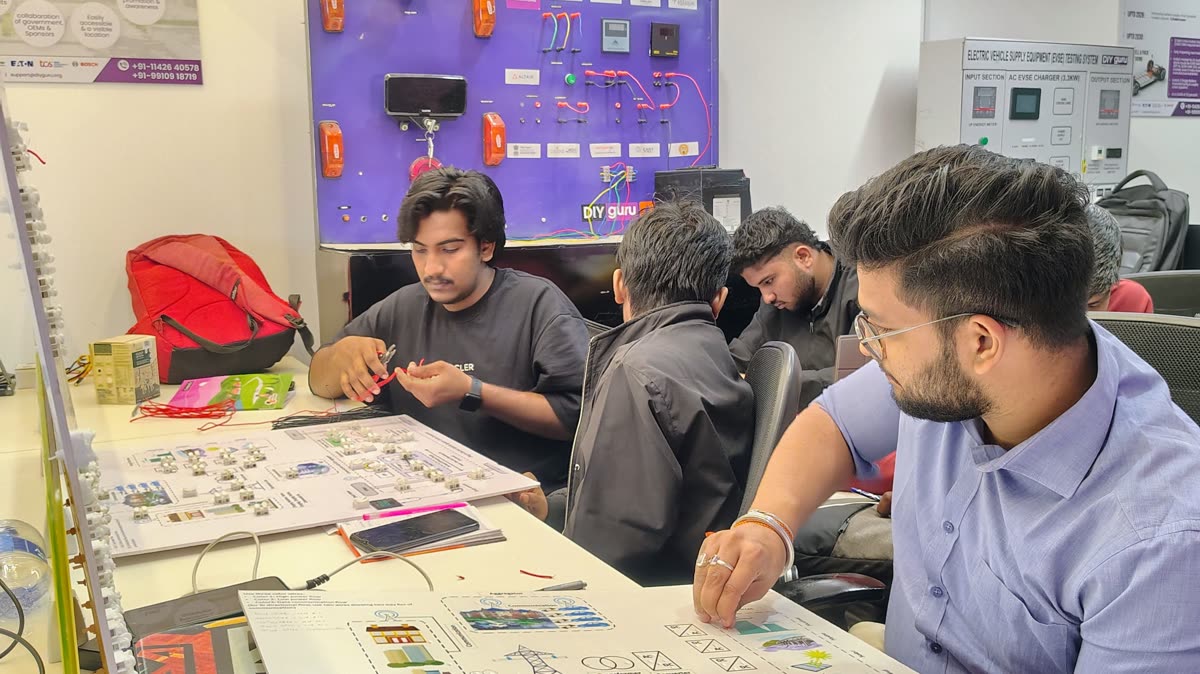
Study EV engineering and servicing online from any US state. Live classes are taught on Indian Standard Time and every session is recorded, so the course fits around an American working week. Each programme ends with projects, assessments and a certificate of completion.
Live online classes with EV engineers
Recorded lessons to study on your schedule
Projects, assessments and a certificate
Optional hardware kit and hands-on workshops in India
Our admissions team replies by email or WhatsApp with fees, payment options for your country and the next batch dates.
Photo: Golden Gate Bridge by Frank Schulenburg, CC BY-SA 4.0, via Wikimedia Commons
EV skills in United States
The US EV picture, as of 2025
Golden Gate Bridge, United States
The federal clean vehicle tax credits ended for vehicles acquired after 30 September 2025, under the One Big Beautiful Bill Act. The cut-off covers new, used and commercial clean vehicles, so EV demand now depends more on price and on what carmakers choose to build.
EV work in the US reaches well beyond new-car showrooms. Transit agencies, delivery fleets, charging operators and battery plants all need people who understand high-voltage systems, cells and control software, even as some programmes slow down.
Federal credit ended
New, used and commercial clean vehicle credits do not apply to vehicles acquired after 30 September 2025.
ASE hybrid/EV test
ASE runs the L3 Light Duty Hybrid/Electric Vehicle Specialist test; candidates must first pass the A6 and A8 tests.
Workplace electrical safety
NFPA 70E describes safe electrical work practice, and the employer decides who is a qualified person for each task.
Programmes
Electric vehicle programmes for learners in United States
Every programme below is open to learners in United States. The first 5 fit the United States market best; the rest cover other EV specialisations.
A six-month, live and hands-on Advanced Nanodegree in EV Modelling & Simulation Engineering for electrical and electronics engineers, created by IIT Jammu in…
A six-month, live and hands-on Advanced Nanodegree in Battery and BMS Design, Analysis and Simulation, created by IIT Jammu in collaboration with I3C–IIT Jammu and…
A six-month, live and hands-on Advanced Nanodegree in Embedded Systems for EV engineering, created by IIT Jammu in collaboration with I3C–IIT Jammu and DIYguru. You…
A six-month, live and hands-on Advanced Nanodegree in ADAS & AUTOSAR, created by IIT Jammu in collaboration with I3C–IIT Jammu and DIYguru, that takes you from sensor…
CEVT is a three-month, live and hands-on Certified Electric Vehicle Technician programme that prepares ITI, Diploma and Polytechnic learners for careers in 2W and 4W EV…
A 12-month, hybrid Post Graduate Certificate Programme in EV & Embedded Technology, created by IIT Jammu in collaboration with I3C–IIT Jammu and DIYguru, that takes…
A six-month, live and hands-on Advanced Nanodegree in EV engineering, automotive design, development and dynamic analysis for mechanical and automotive engineers…
An industry-focused Nanodegree in Analytics & Data Science that starts you on the path to becoming a data analyst in the automotive and EV sector. An 8-step curriculum…
An industry-ready Professional Certification Programme in EV Sales & Business, delivered through live classes and practical learning. Across six modules you learn how EV…
The Electrical Nanodegree covers EV modelling and simulation; the Battery & BMS Nanodegree goes deeper into cells, packs and management systems.
Embedded and software engineers
The Embedded Systems and ADAS & AUTOSAR Nanodegrees suit engineers moving from consumer electronics or IT into vehicle software.
Automotive technicians
CEVT gives a structured grounding in EV servicing and diagnostics before you take ASE tests or your employer's high-voltage training.
Career changers
The industry ecosystem programme is a short way to learn how the EV value chain fits together before committing to a longer course.
Studying from United States
How the training works
1. Enrol online
Apply from United States, and our admissions team shares the fees, payment options and batch dates for your country.
2. Learn live and on demand
Join live classes with EV engineers, then go back to recorded lessons, notes and quizzes whenever you need them.
3. Build and simulate
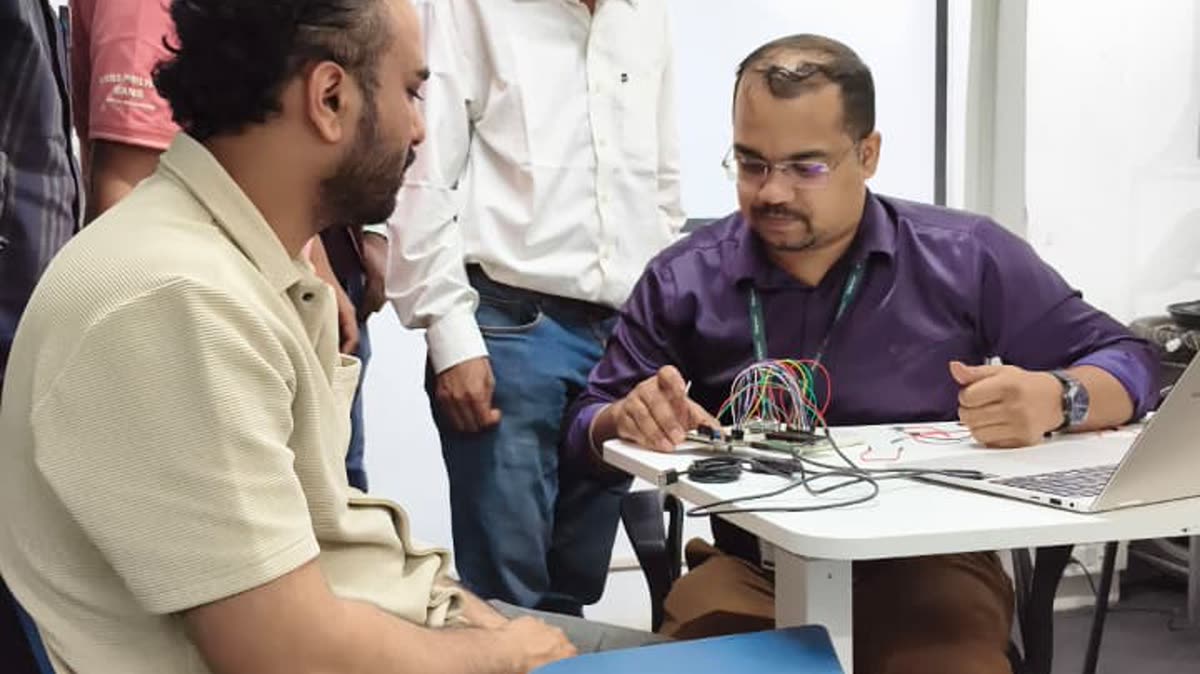
Work through design calculations, simulations and projects. An optional DIY hardware kit lets you practise on a real control board at home; ask the team about shipping to your country.
4. Go hands-on (optional)
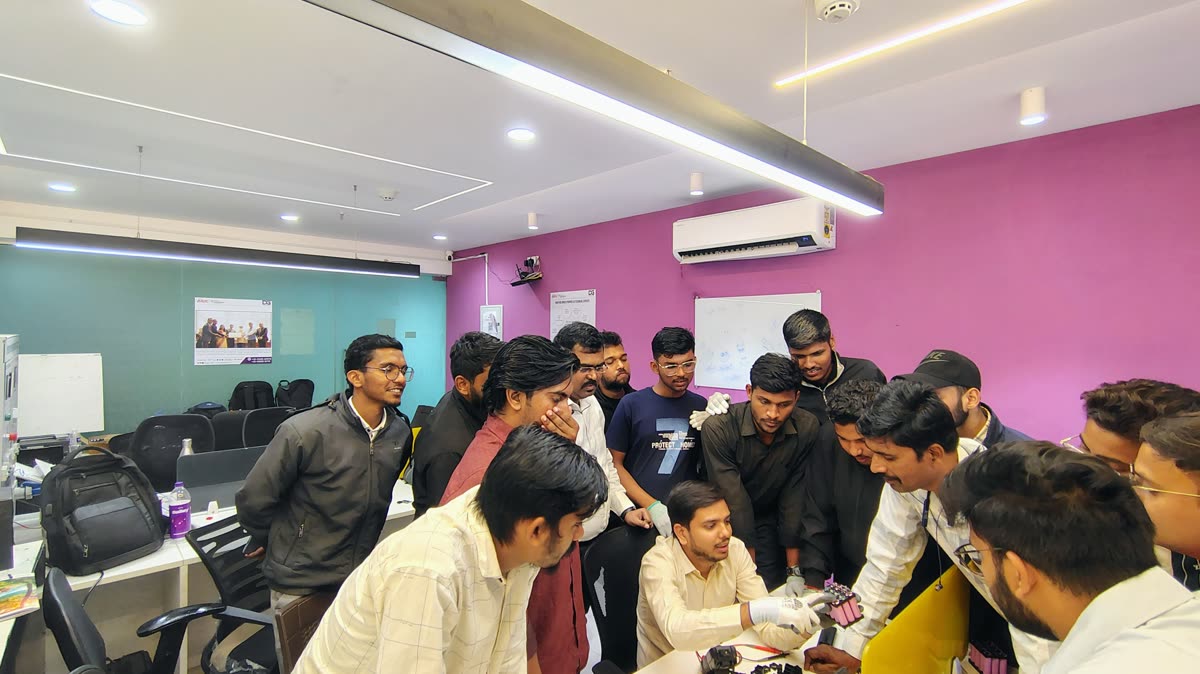
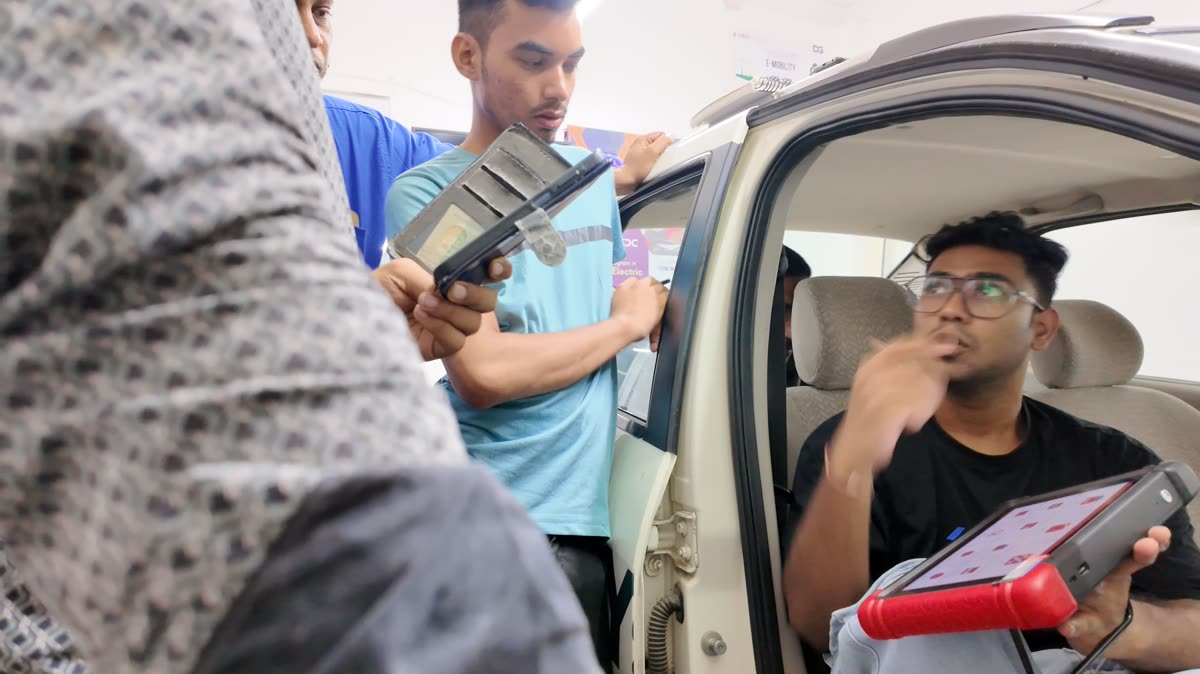
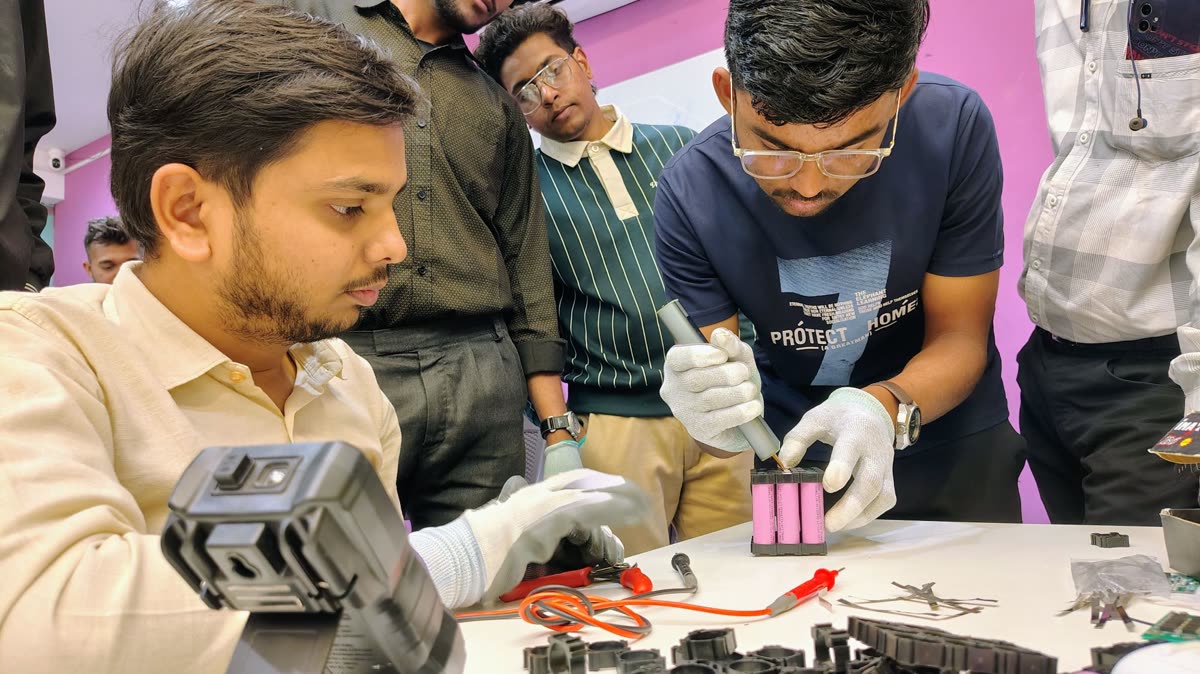
Some programmes include hands-on workshops at our centres in India for work on batteries, motors, controllers and diagnostics.
5. Get certified
Finish the projects and assessments to earn your certificate, with a verification link you can share with employers.
Certificates
Certificates and EV work rules in United States
There is no single US licence for EV work. Technicians commonly hold ASE certifications such as the L3 Light Duty Hybrid/Electric Vehicle Specialist, and employers authorise staff for high-voltage work under their own safety programmes, often built on NFPA 70E. Our certificate shows you completed our training. It is not an ASE certification, not a licence, and not a substitute for an employer's high-voltage authorisation.
FAQs
EV training in United States: common questions
Is this EV course fully online for learners in the USA?
Yes. Live classes, recordings, projects and assessments all sit on the learner portal, so you can study from any state.
How far apart are US time zones and the class schedule?
India is between 9.5 and 13.5 hours ahead of the mainland US, depending on your zone and daylight saving. Some live classes will fall very early or late for you, so plan to rely on recordings for part of the course.
Will the certificate get me an EV job in the US?
It shows an employer that you have studied EV systems and finished real projects, which can help in an interview. It is not a US credential, and the hiring decision stays with the employer.
Does the course count towards ASE certification?
No. ASE sets its own tests and experience rules. Our programmes cover the EV theory behind those tests, which can make preparation easier.
Where would I get hands-on practice?
Projects use simulation plus an optional DIY electronics kit sold separately; ask the team about shipping to the USA. Hands-on workshops run only at DIYguru centres in India.
How do I pay from the United States?
Tell the admissions team you are in the US and they will share the fees and payment options for your country.
What time are the live classes in United States?
Live classes are scheduled in Indian Standard Time, and United States is 10 hours 30 minutes behind India (IST). A class at 7:00 pm IST starts at 8:30 am your time. Most sessions are recorded to your learner portal, so you can catch up when a class falls outside your hours.
Which is the best EV course in United States?
The best course depends on your background. For most learners in United States we suggest the Advanced Nanodegree Certification Program in EV Engineering, Design, Simulations, and Analysis or the Advanced Nanodegree Certification Program in Battery and BMS Design, Analysis, & Simulation; our admissions team can compare options against your experience and goals.
How long does an electric vehicle course take?
Professional Certification Programmes run for about 3 months, the CEVT technician programme 3 months, Advanced Nanodegrees 6 months and the Post Graduate programme 12 months.
Is there EV training near me in United States?
We do not run a campus in United States. The programmes are taught live online, so you can join from anywhere in United States; hands-on workshops, where a programme includes them, take place at our centres in India.
Can a car mechanic in United States learn EV repair online?
Yes. The CEVT programme covers EV batteries, motors, controllers, charging and diagnostics for two- and four-wheelers, with an optional hands-on workshop in India. Always follow your employer's high-voltage safety rules before working on a vehicle.
Which EV programme suits an engineering graduate?
Electrical and electronics engineers usually pick the EV modelling or battery and BMS Nanodegrees, mechanical engineers the EV automotive design Nanodegree, and embedded or software engineers the embedded systems or ADAS & AUTOSAR tracks.


 Nanodegree