Online EV training for learners in United Arab Emirates
Electric vehicle training in the UAE
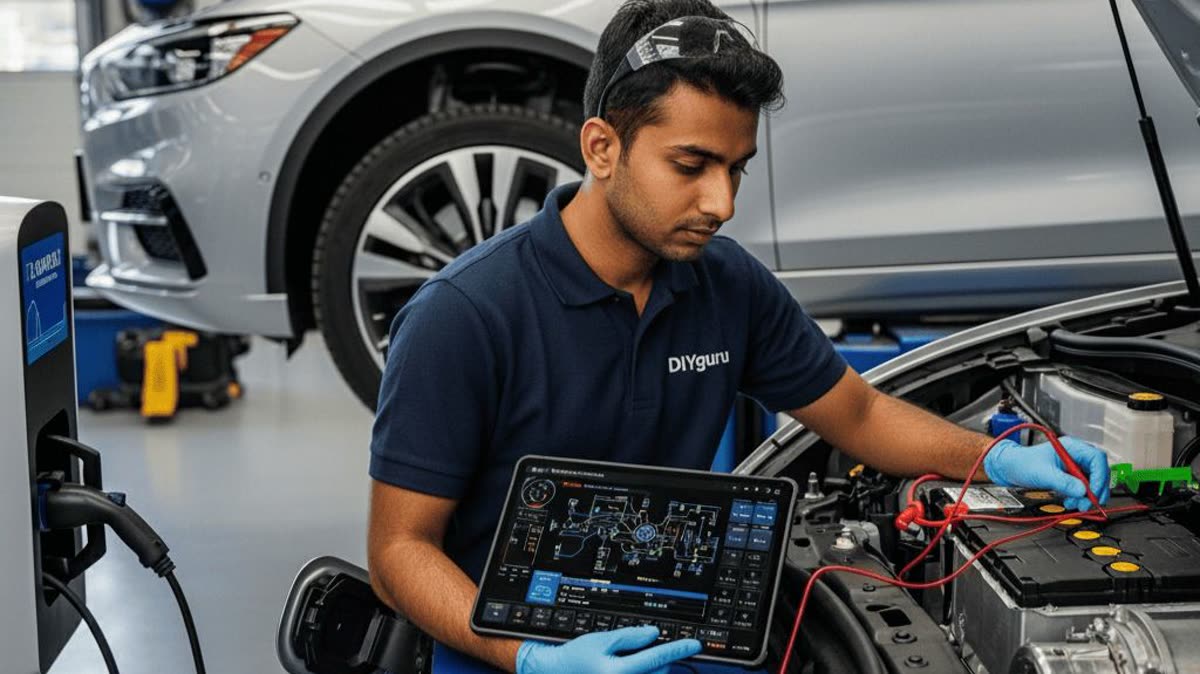
Study EV technology online from anywhere in the Emirates. Our EV courses mix live classes, recorded lessons, projects and assessments on one learner portal. You keep your job and learn at a pace that suits your rota.
Live online classes with EV engineers
Recorded lessons to study on your schedule
Projects, assessments and a certificate
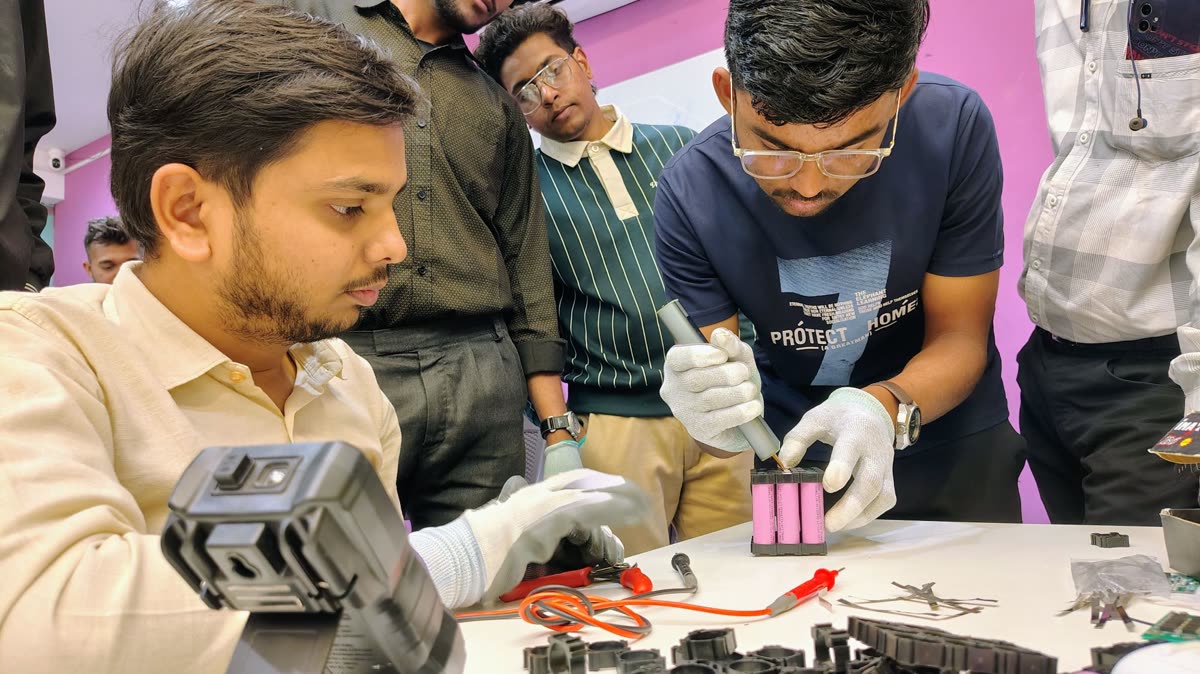
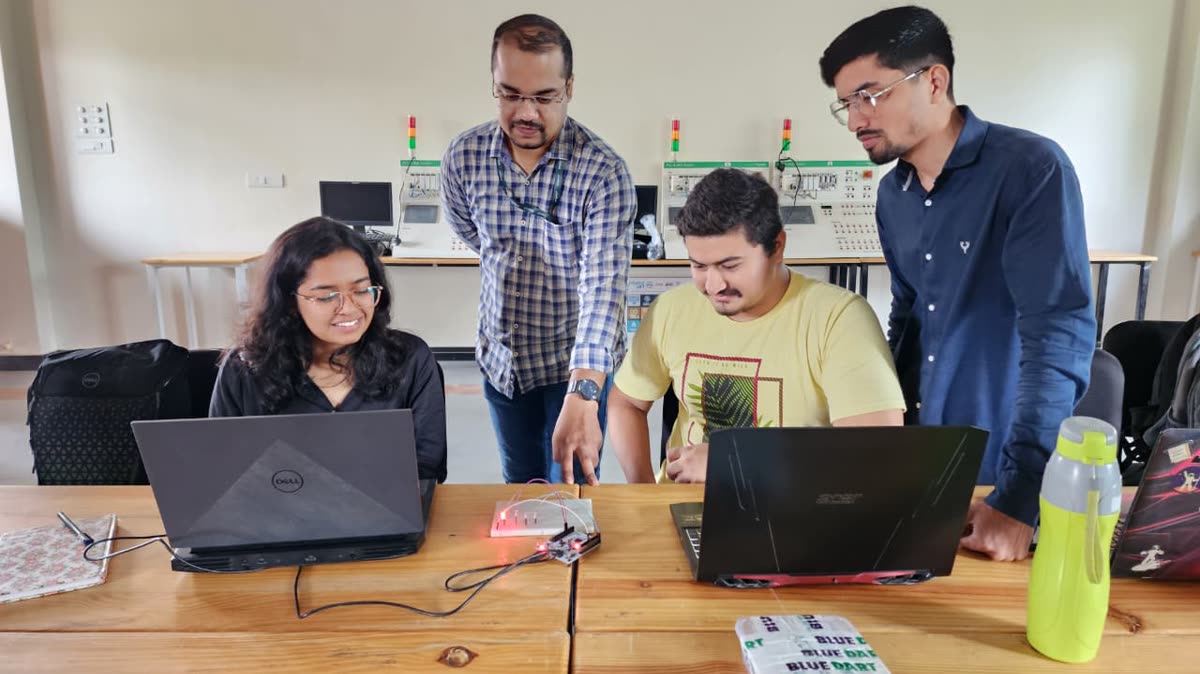
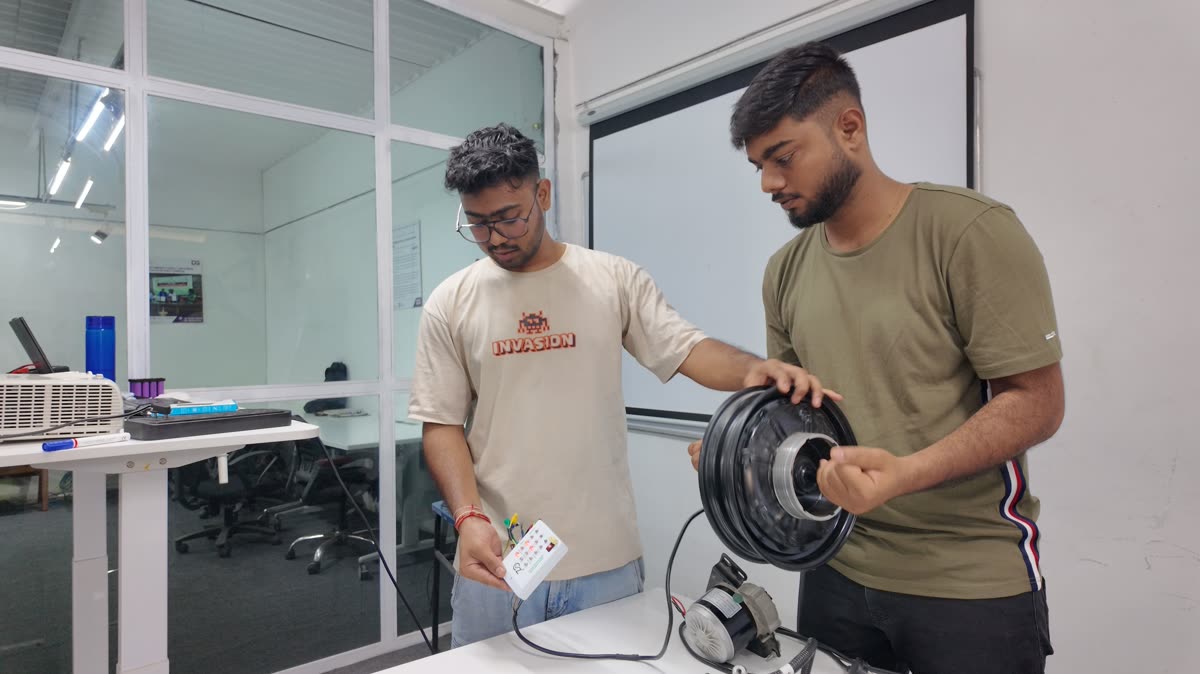
Optional hardware kit and hands-on workshops in India
Our admissions team replies by email or WhatsApp with fees, payment options for your country and the next batch dates.
Photo: Sheikh Zayed Grand Mosque by Wikiemirati, CC BY-SA 4.0, via Wikimedia Commons
EV skills in United Arab Emirates
Where the UAE stands on electric vehicles
Sheikh Zayed Grand Mosque, United Arab Emirates
The federal National Electric Vehicles Policy aims for electric vehicles to make up half of all vehicles on UAE roads by 2050. It also plans a national charging network built by federal bodies, emirate governments and private firms, with a central database of charging stations.
Each emirate adds its own rules on top. Abu Dhabi has a regulatory policy covering who may own, install and run chargers and how charging is priced. Dubai's utility has run a public charging programme since 2015. For people who work on vehicles, this means more battery-electric cars, buses and taxis coming in for service.
A 2050 national target
The National Electric Vehicles Policy targets a 50% share of electric vehicles on the roads by 2050.
Charging built by several players
Federal and local government and private companies share the job of building the national charging network.
Joint ventures in Abu Dhabi
ADNOC Distribution and TAQA set up E2GO in 2023 to build charging points across Abu Dhabi and, later, the wider UAE.
Fleet changes in Dubai
Dubai's taxi plan moves the whole fleet to hybrid, electric or hydrogen vehicles by the end of 2027.
Programmes
Electric vehicle programmes for learners in United Arab Emirates
Every programme below is open to learners in United Arab Emirates. The first 5 fit the United Arab Emirates market best; the rest cover other EV specialisations.
CEVT is a three-month, live and hands-on Certified Electric Vehicle Technician programme that prepares ITI, Diploma and Polytechnic learners for careers in 2W and 4W EV…
A six-month, live and hands-on Advanced Nanodegree in EV Modelling & Simulation Engineering for electrical and electronics engineers, created by IIT Jammu in…
A six-month, live and hands-on Advanced Nanodegree in Battery and BMS Design, Analysis and Simulation, created by IIT Jammu in collaboration with I3C–IIT Jammu and…
A 12-month, hybrid Post Graduate Certificate Programme in EV & Embedded Technology, created by IIT Jammu in collaboration with I3C–IIT Jammu and DIYguru, that takes…
A six-month, live and hands-on Advanced Nanodegree in EV engineering, automotive design, development and dynamic analysis for mechanical and automotive engineers…
A six-month, live and hands-on Advanced Nanodegree in Embedded Systems for EV engineering, created by IIT Jammu in collaboration with I3C–IIT Jammu and DIYguru. You…
A six-month, live and hands-on Advanced Nanodegree in ADAS & AUTOSAR, created by IIT Jammu in collaboration with I3C–IIT Jammu and DIYguru, that takes you from sensor…
An industry-focused Nanodegree in Analytics & Data Science that starts you on the path to becoming a data analyst in the automotive and EV sector. An 8-step curriculum…
An industry-ready Professional Certification Programme in EV Sales & Business, delivered through live classes and practical learning. Across six modules you learn how EV…
Mechanics who now see hybrids and battery EVs in the bay can start with the Certified Electric Vehicle Technician programme (CEVT).
Electrical and electronics engineers
Engineers in utilities, facilities or fleet roles can take the electrical Nanodegree for EV modelling and simulation.
Charging and energy professionals
People moving into charge-point projects can study charging technology and hydrogen fuel cells in a three-month programme.
Business owners and managers
Those planning a charging, fleet or service business can follow the EV business Nanodegree.
Studying from United Arab Emirates
How the training works
1. Enrol online
Apply from United Arab Emirates, and our admissions team shares the fees, payment options and batch dates for your country.
2. Learn live and on demand
Join live classes with EV engineers, then go back to recorded lessons, notes and quizzes whenever you need them.
3. Build and simulate
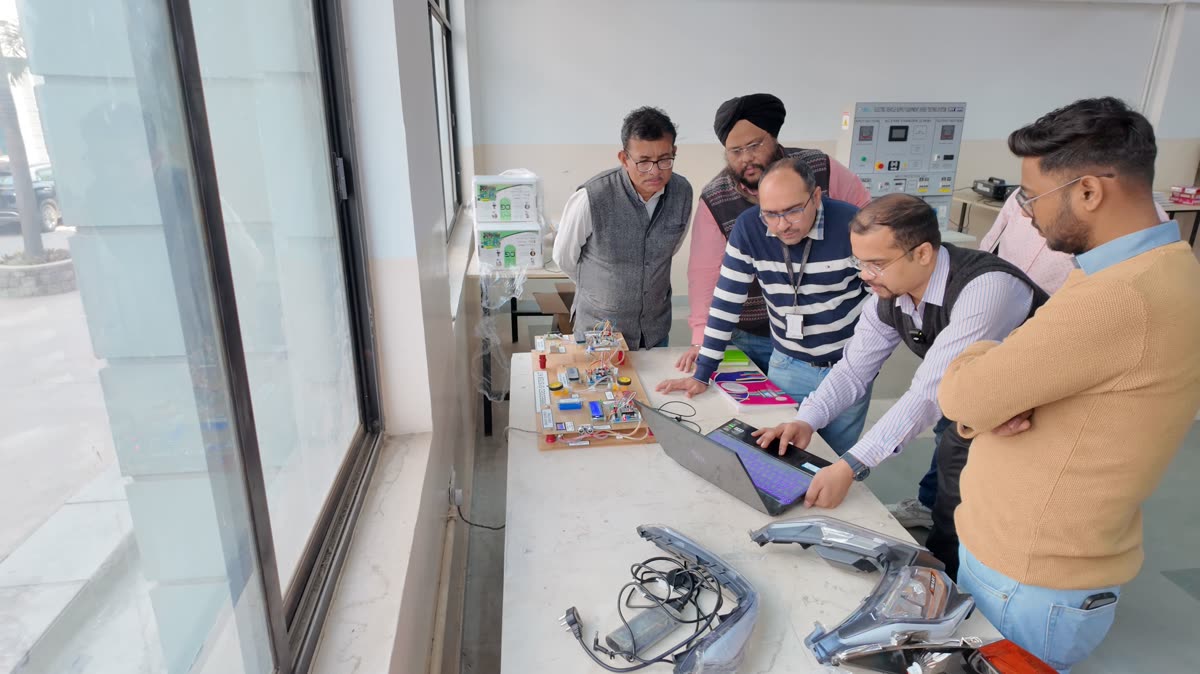
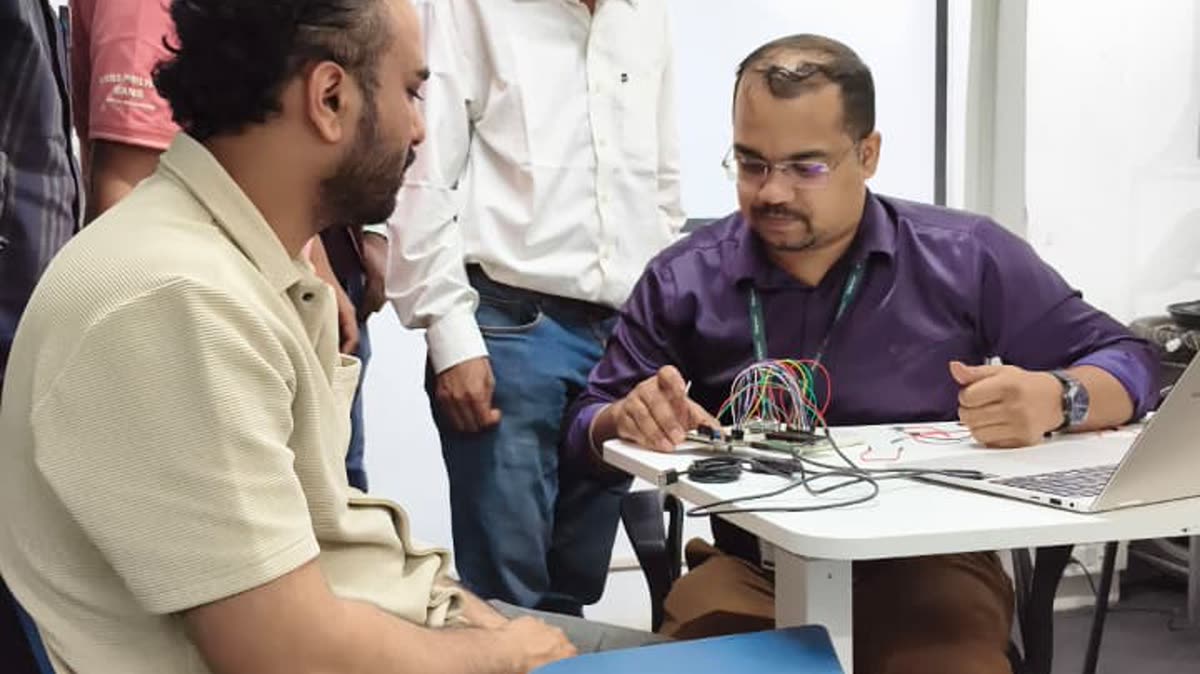
Work through design calculations, simulations and projects. An optional DIY hardware kit lets you practise on a real control board at home; ask the team about shipping to your country.
4. Go hands-on (optional)
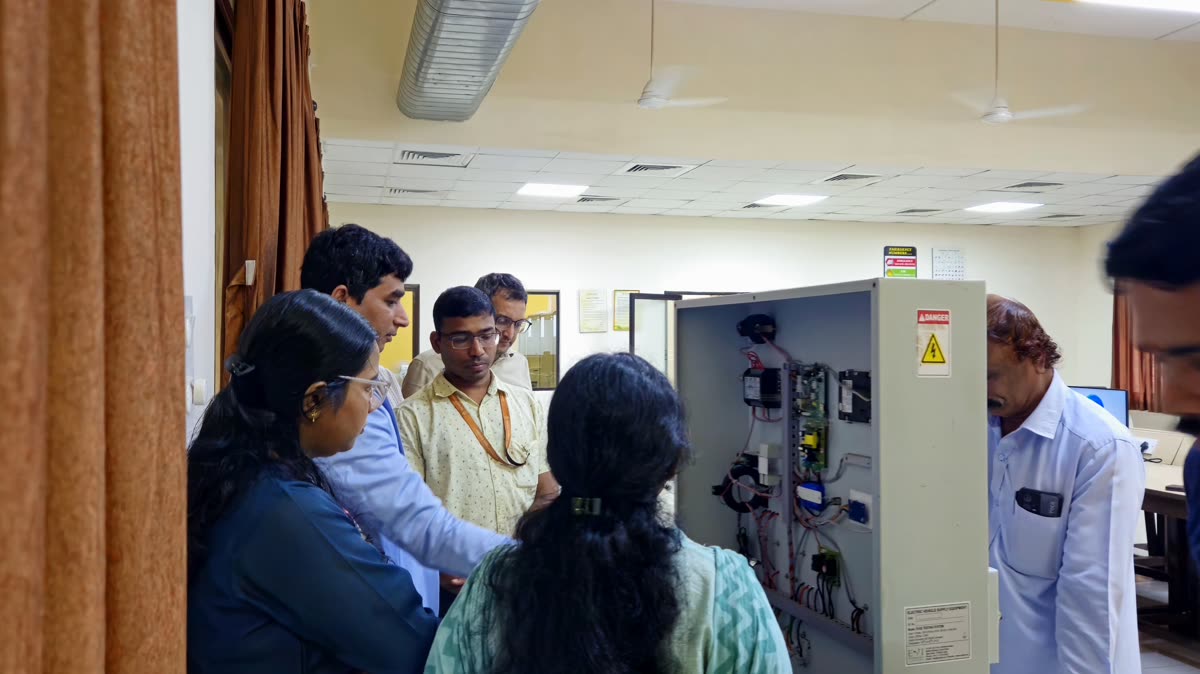
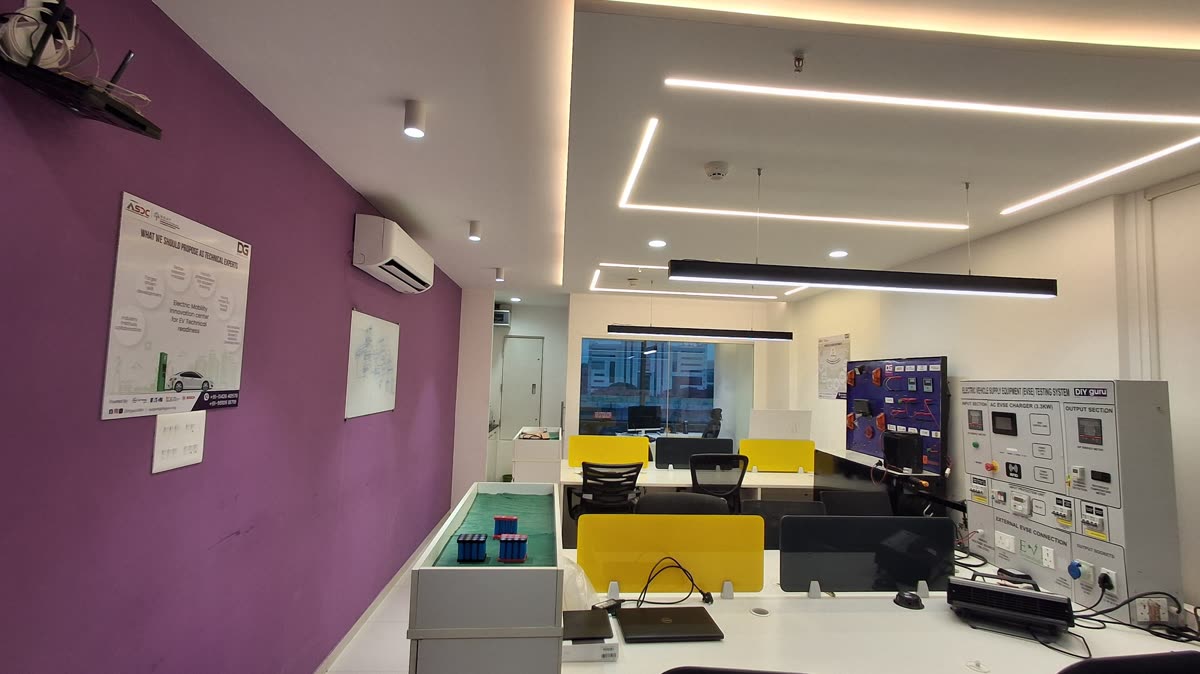
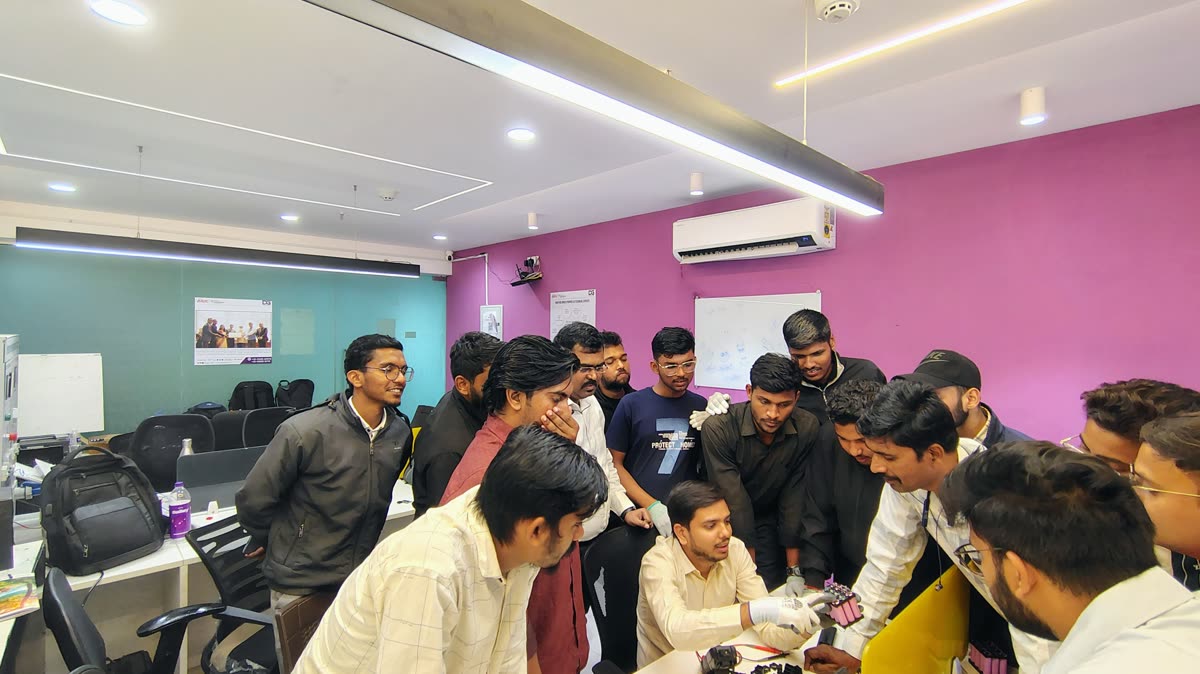
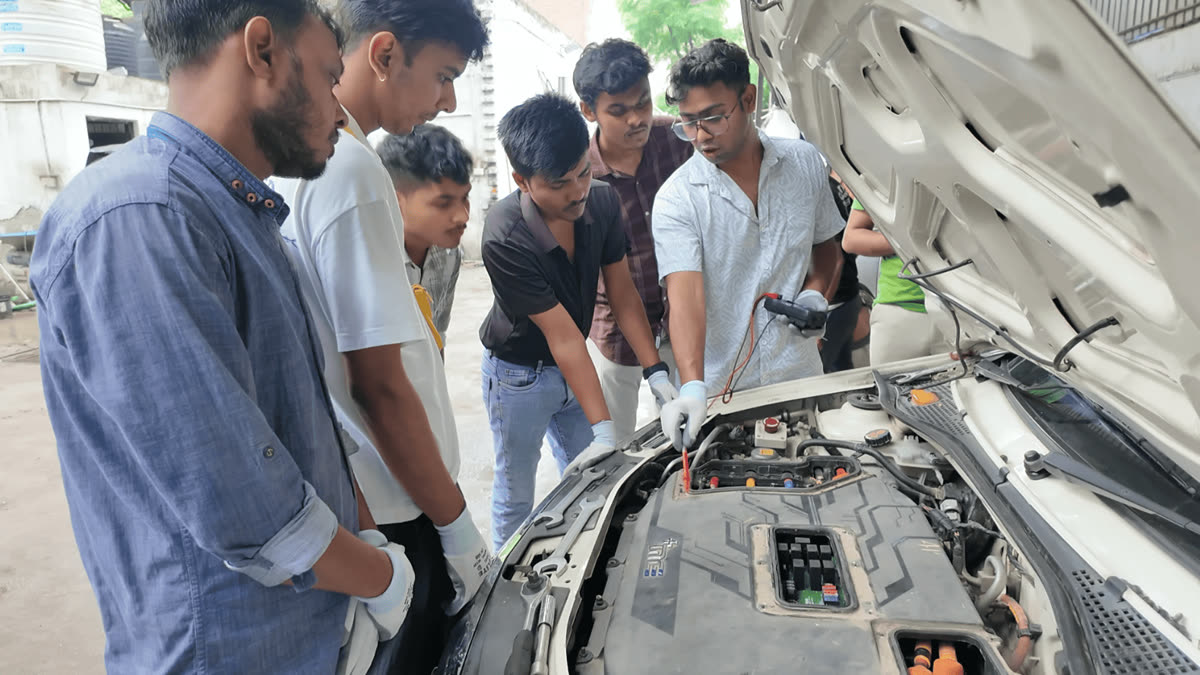
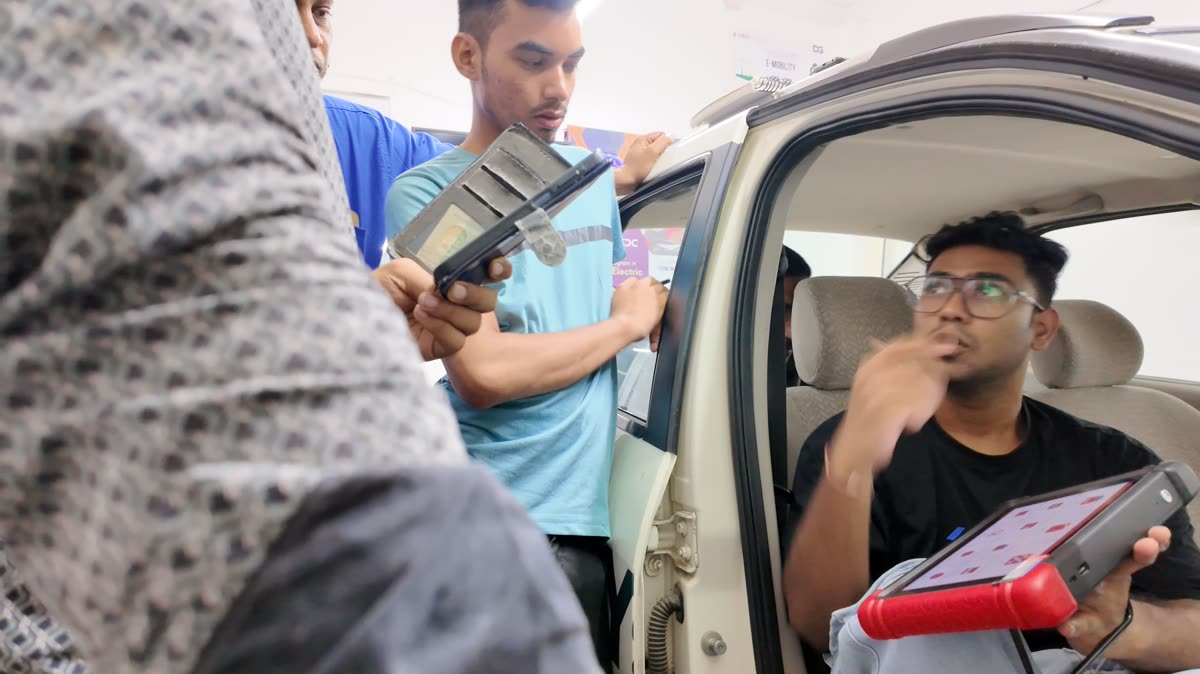
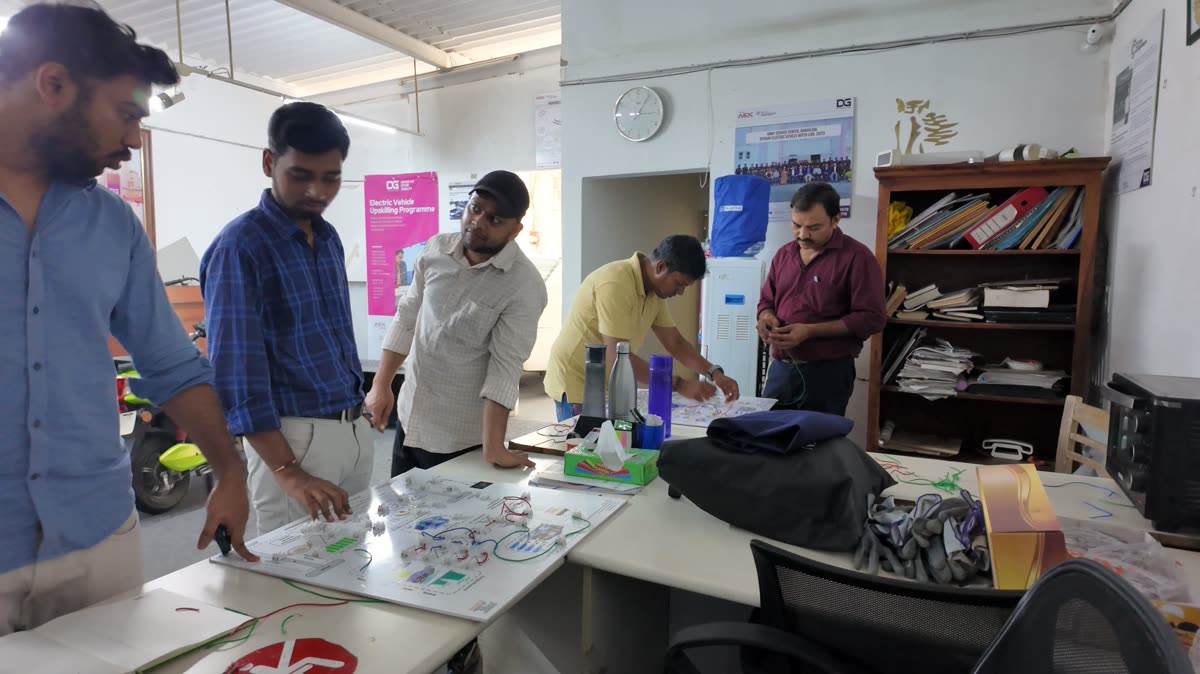
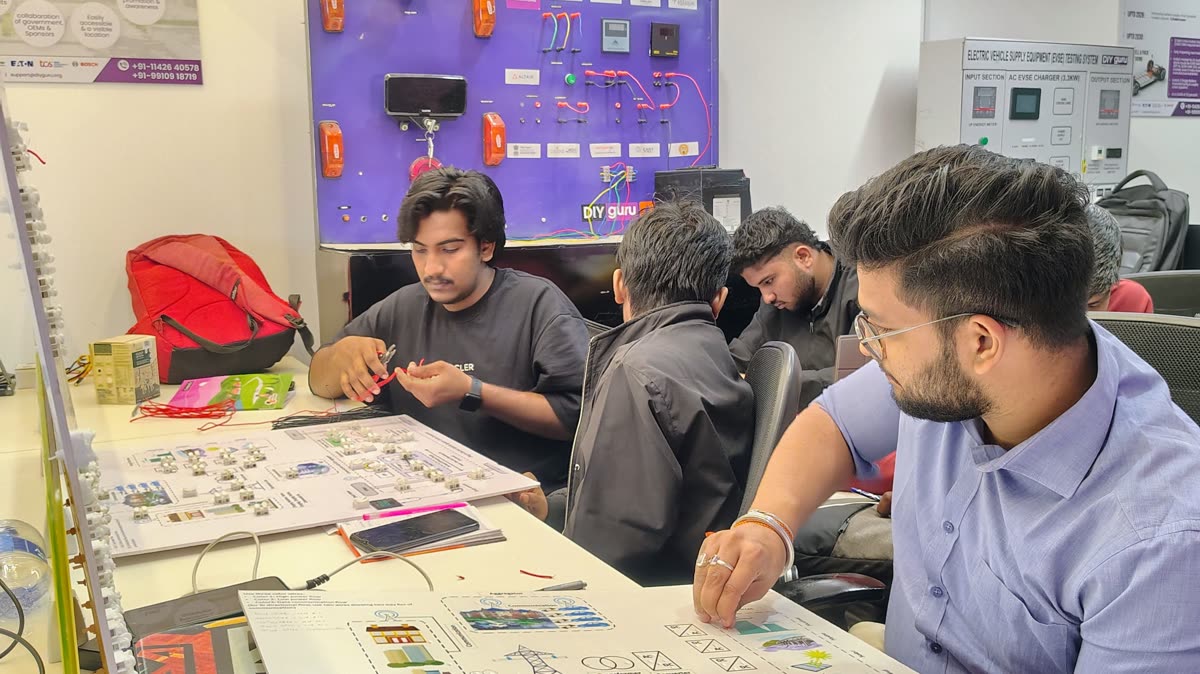
Some programmes include hands-on workshops at our centres in India for work on batteries, motors, controllers and diagnostics.
5. Get certified
Finish the projects and assessments to earn your certificate, with a verification link you can share with employers.
Certificates
Certificates and EV work rules in United Arab Emirates
We could not find a single UAE-wide licence for EV technicians. Charging operators are licensed by emirate-level bodies, and employers such as dealers and fleet operators usually require their own high-voltage safety authorisation before anyone works on a live system. Our certificate shows you completed the training. It is not a licence to work on high-voltage systems.
FAQs
EV training in United Arab Emirates: common questions
Is this EV course in the UAE taught in a classroom?
No. Everything runs online: live classes, recorded lessons, projects and assessments on the learner portal. We have no campus or lab in the UAE.
What time are the live classes in UAE time?
Classes are scheduled in Indian Standard Time, which is 1 hour 30 minutes ahead of the UAE. The portal shows each session in your local time, and recordings are there if you miss one.
Can I fit the course around rotating shifts?
Yes. Most of the work is recorded lessons and projects you can do on rest days, and live sessions are recorded.
Will the certificate help me get an EV job in the UAE?
It shows an employer you have studied EV systems in a structured way, which can help in interviews. It does not guarantee a job and it is not a licence for high-voltage work.
Can I get hands-on practice?
You can buy our DIY electronics and embedded kit separately; ask the team about shipping to the UAE. Some programmes also offer optional hands-on workshops at DIYguru centres in India.
How much does it cost to study from the UAE?
Fees depend on the programme. The admissions team shares fees and payment options for your country.
What time are the live classes in United Arab Emirates?
Live classes are scheduled in Indian Standard Time, and United Arab Emirates is 1 hour 30 minutes behind India (IST). A class at 7:00 pm IST starts at 5:30 pm your time. Most sessions are recorded to your learner portal, so you can catch up when a class falls outside your hours.
Which is the best EV course in United Arab Emirates?
The best course depends on your background. For most learners in United Arab Emirates we suggest the CEVT - Certified Electric Vehicle Training Programme or the Advanced Nanodegree Certification Program in EV Engineering, Design, Simulations, and Analysis; our admissions team can compare options against your experience and goals.
How long does an electric vehicle course take?
Professional Certification Programmes run for about 3 months, the CEVT technician programme 3 months, Advanced Nanodegrees 6 months and the Post Graduate programme 12 months.
Is there EV training near me in United Arab Emirates?
We do not run a campus in United Arab Emirates. The programmes are taught live online, so you can join from anywhere in United Arab Emirates; hands-on workshops, where a programme includes them, take place at our centres in India.
Can a car mechanic in United Arab Emirates learn EV repair online?
Yes. The CEVT programme covers EV batteries, motors, controllers, charging and diagnostics for two- and four-wheelers, with an optional hands-on workshop in India. Always follow your employer's high-voltage safety rules before working on a vehicle.
Which EV programme suits an engineering graduate?
Electrical and electronics engineers usually pick the EV modelling or battery and BMS Nanodegrees, mechanical engineers the EV automotive design Nanodegree, and embedded or software engineers the embedded systems or ADAS & AUTOSAR tracks.


 Technician