🏠
Project 01
Rooftop layout with shadow check
Pick a rooftop in Google Earth, model it with nearby obstructions in SketchUp, run a shadow analysis and place modules where shading is lowest.
A practical solar PV design course that takes you from irradiance analysis and plant architectures through AutoCAD drafting, single line diagrams, site surveys with Google Earth, 3D layout and shadow analysis in SketchUp, string sizing and MPPT concepts, and full PVsyst simulation with loss diagrams and yield reports.

Course Curriculum
A practical solar PV design course that takes you from irradiance analysis and plant architectures through AutoCAD drafting, single line diagrams, site surveys with Google Earth, 3D layout and shadow analysis in SketchUp
Topic 1: Overview of Solar Photovoltaic Power Plants
33 min· free trial
Topic 2: Solar Irradiance & Radiation Analysis
31 min· free trial
Topic 3: Classification of Solar Power Plant Architectures
21 min
Topic 1: AutoCAD Drafting Techniques – Part 1
49 min
Topic 2: Advanced AutoCAD Drafting & Annotation – Part 2
42 min
Topic 1: SLD Creation
31 min
Topic 2: SLD Detailing
22 min
Topic 1: Site Survey Methodology & Field Measurements
8 min
Topic 2: Geospatial Data Analysis Using Google Earth
17 min
Topic 1: SketchUp 3D Modeling – Basics of Component Layout
33 min
Topic 2: Shadow Analysis for Optimal PV Placement
30 min
Topic 3: Exporting Design Outputs into Industry-standard Formats
8 min
Topic 1: Plant Capacity Calculations
21 min
Topic 2: Module String Configuration & Sizing Methodology
23 min
Topic 3: MPPT (Maximum Power Point Tracking) Algorithm Concepts
9 min
Topic 1: PVsyst System Configuration
19 min
Topic 2: Module and Inverter Selection Strategies
25 min
Topic 3: Loss Diagram Analysis – Detailed Energy Losses
22 min
Topic 4: Shading Scene Design & Simulation
19 min
Topic 5: Generating Performance Reports & Yield Analysis
16 min
Topic 6: Advanced Input Parameters & Optional Configuration
17 min
Topic 1: Short-Circuit Current Calculation for Protection Sizing
21 min
Topic 2: DC & AC Cable Sizing
31 min
Topic 1: Earthing System Design Principles
25 min
Topic 2: Relay Coordination - Part 1
12 min
Topic 3: Relay Coordination Part-2
34 min
Topic 1: Site Plan Development & Module Layout Engineering
38 min
Topic 2: Electrical SLD Design & String Configuration Layout
18 min
Topic 3: BOS (Balance of System) Design & Technical Report Compilation
15 min
Topic 4: Performance Ratio Calculation, Financial Modeling, Pricing Strategy & Payback Period Analysis
10 min
Earn a certificate
Every completing learner receives a joint certificate carrying ASDC (Government of India) and AICTE NEAT recognition. The certificate carries a public verification code recruiters can validate in seconds via emobility.careers.
System Requirements
What to have ready before you start this course.
Associated Skills
DIY Projects Included
Work you build while learning — submitted in the course and reviewed by a trainer, and yours to show afterwards.
Pick a rooftop in Google Earth, model it with nearby obstructions in SketchUp, run a shadow analysis and place modules where shading is lowest.
For a chosen module and inverter, work out modules per string, number of strings and DC and AC cable sizes, including short-circuit current for protection sizing.
Follow Module 10 to produce a site plan, SLD with string layout, PVsyst yield report, BOS list, performance ratio and a simple payback calculation for a small plant.
Course Benefits
Two audiences. Two angles. Pick the one that maps to where you are today.
What this course includes
Who can take this course?
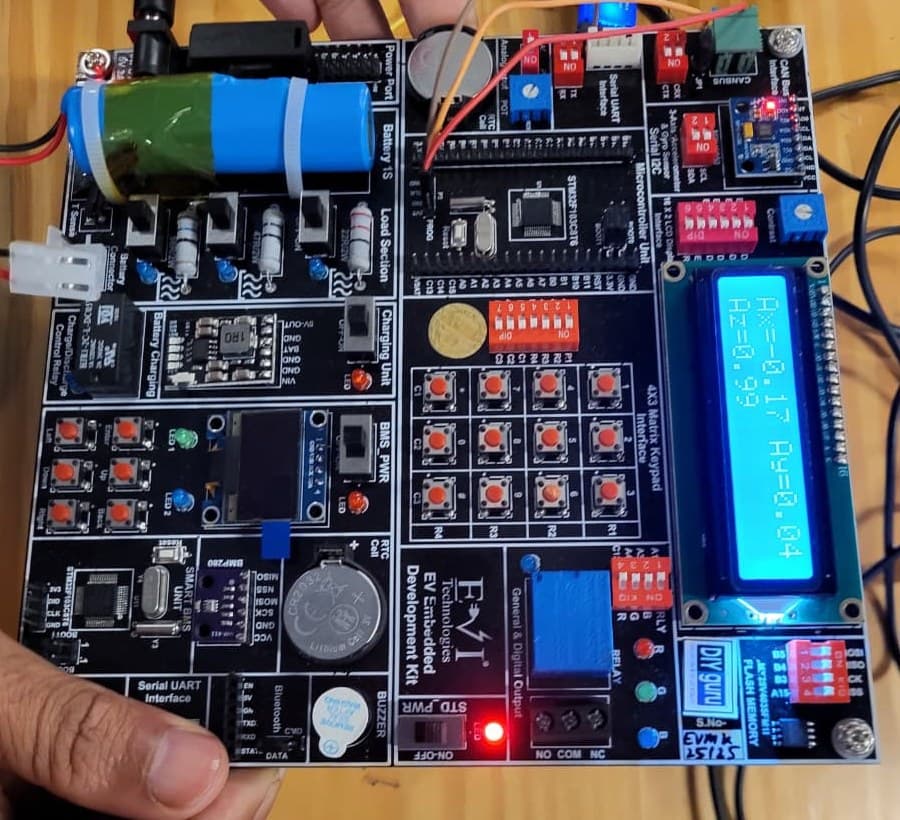
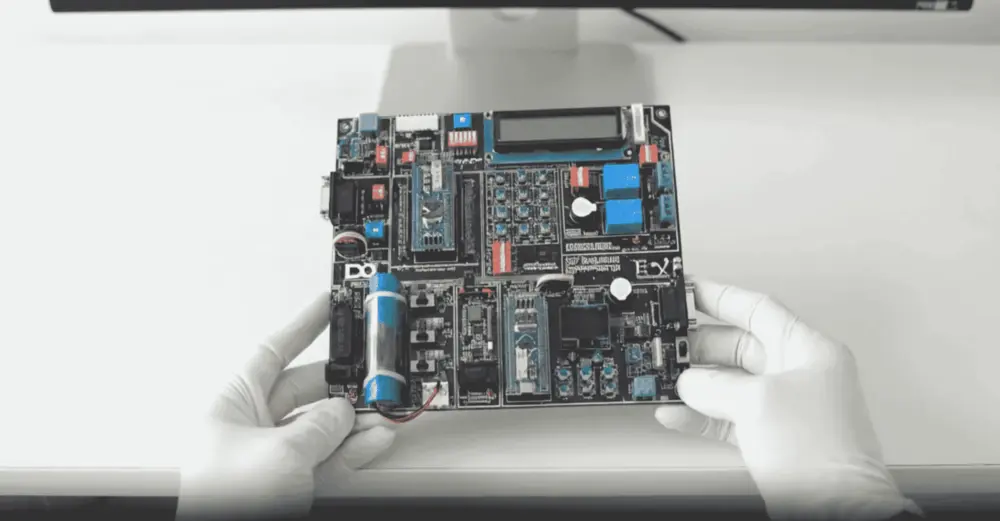
Practise on real hardware
₹10,000 + GST
See what's in the kitTrainer Support
Post questions on AutoCAD drawings, SketchUp shadow studies, PVsyst settings or protection calculations in the course Q&A on the portal and a trainer will answer there. Live doubt-clearing sessions may also be offered when scheduled.
Bharat eMobility Recruitathon
The Bharat eMobility Recruitathon brings our learners face to face with companies hiring across the EV industry. Watch the Delhi and Pune chapters.
Reviews
★★★★★
Good
Selvakumar L. · Jul 2026
★★★★★
very good experience, waiting for my completion certificate
Avijit D. · Dec 2025
★★★★★
Nice
Udaya C. · Dec 2025
★★★★★
excellent but no pdf provided!!
Eddy · Nov 2025
★★★★★
Awesome learning. I have gained valuable skill & knowledge in this course. Memorable journey it was.
Hashir S. · Jun 2025
Reviewed on courses.diyguru.org
★★★★★
good. improve the quality of video and include subtitles.
Vigneshwar G. · Apr 2024
Reviewed on courses.diyguru.org
FAQ
Talk to a counsellor
Leave your details — a counsellor will call you about the syllabus, fees, EMI and certificates.
Technical Expertise You Will Gain
The roles these skills are used in, what you'll be able to do, and the parts of the industry that need it.
Government-Certified · Industry-Endorsed · Learner-Approved
Automotive Skills Development Council — recognised by major OEMs worldwide.
National Educational Alliance for Technology — issued under AICTE's premium learning ecosystem.
Learner Stories
The hardware-first approach made all the difference. Came in from a generalist electronics background; the BMS and motor-drive modules gave me concrete vocabulary I could carry into Infineon interviews.

Industry-grade depth without the academic ivory tower. The MATLAB Simulink + capstone defence prepared me for exactly the kind of cross-functional EV problems we solve at Cummins.

Started with electronics, walked into a BMS role in Germany. The applied projects + mentor reviews are what carried me through — the certifications opened the door, the depth got me hired.

Recorded lessons at your own pace · trainer doubt support · verifiable certificate on completion.