
📋
Project 01
Homologation readiness checklist
Using Module 2, list the pre-compliance tests, standards and documents an electric two-wheeler would need before type approval, with budget risks noted.
A broad, non-software course on how EVs are designed, certified and sold in India: EV types and design procedure, homologation and AIS standards (AIS 038, 048, 156, 102, 123), FAME, charging standards, retrofitting, traction motors and battery chemistries with state policy. It suits people who need a working picture of
Course Curriculum
A broad, non-software course on how EVs are designed, certified and sold in India: EV types and design procedure, homologation and AIS standards (AIS 038, 048, 156, 102, 123), FAME, charging standards, retrofitting, trac
Sign up at eMobility.careers to get exclusive EV job Opportunities!
text
Topic 1: Module Overview
8 min· free trial
Topic 2: What is an Electric Vehicle
4 min· free trial
Topic 3: Key Milestones in EV & Automotive Industry
4 min
Topic 4: Understanding EV Types – BEV, HEV, PHEV & FCEV
7 min
Topic 5: EV Design Procedure (Part 1) – Aesthetic Design
12 min
Topic 6: EV Design Procedure (Part 2) – PowerTrain Design
6 min
Topic 7: EV Design Procedure (Part 3) – Subsystems, Charging & Validation
9 min
Topic 8: Transition from ICE to EV – Propulsion System Differences & Manufacturing Changes
3 min
Topic 1: Introduction to Homologation
5 min
Topic 2: Vehicle Categories under Homologation Standards
11 min
Topic 3: Defining Laws, Rules, & Directives
6 min
Topic 4: Standards and Documents in EV Homologation
7 min
Topic 5: Understanding Compliance & Homologation
14 min
Topic 6: Preparing for Homologation Part 1 – Pre-Compliance and R&D Testing
5 min
Topic 7: Preparing for Homologation Part 2 – Functional Safety, EMI, & EMC Testing
7 min
Topic 8: Homologation Process – Steps & Workflow Overview
8 min
Topic 9: Closure Points & AIS Standards Overview for EVs (Inc. 2W Component)
13 min
Topic 10: Budgeting & Common Challenges in EV Homologation
8 min
Topic 11: The EV Homologation Process
2 min
Topic 12: AIS 038 & AIS 156 – Overview & Latest Amendments
15 min
Topic 13: Understanding AIS 038 Rev 1 & AIS 048 – Early EV Safety Standards
14 min
Topoc 14: AIS 038 Rev 2 & Thermal Runaway in EVs
10 min
Topic 15: AIS 156 vs AIS 038, IPX7 & Thermal Propagation Tests
11 min
Topic 16: Changes in Battery Safety Testing under AIS 156 – Pack, Cell & BMS Levels
10 min
Topic 17: Introduction to the FAME India Scheme
5 min
Topic 18: FAME India Scheme – Phase I & II
10 min
Topic 19: CMVR Homologation – AIS EV Standards & GTR 20 Safety Overview
13 min
Topic 20: CMVR Homologation – AIS 102 for HEVs & AIS 123 Retrofit Standards
5 min
Topic 21: EV Charging – AC/DC Types, Configurations & Charging Methods
6 min
Topic 22: EV Charging – Battery Swapping, & EV Charging Standards
4 min
Topic 23: EV Charging – CHAdeMO & CCS Charging Std. with EV Charging Communication Flow
11 min
Topic 24: Key Focus Areas in EV Subsystem Development – Powertrain, Chassis, & Components
6 min
Topic 25: Overview of EV Charger Testing, AC/DC Charging Stations Prototypes, & BMS Features
3 min
Topic 1: An Introduction to EV Retrofitting & Its Legality in India
4 min
Topic 2: Key Aspects of EV Retrofitting in India
6 min
Topic 3: EV Retrofitting – Key Components, How It Works, & Current Status
14 min
Topic 4: Benefits of EV Retrofitting
5 min
Topic 1: DC Motor – Working Principle & Components
13 min
Topic 2: Three Phase Induction Motor – Part 1
8 min
Topic 3: Three Phase Induction Motor – Part 2
8 min
Topic 4: Three Phase Induction Motor – Part 3
3 min
Topic 5: Types of Traction Motors in Electric Vehicles
8 min
Topic 6: Evolving EV Motor Technologies – From Induction to PM-ACIM Systems
6 min
Topic 7: Evolving EV Motor Technologies – From PM to WRSM & Emerging Alternatives
12 min
Topic 8: Rare Earth Magnets, OEM Strategies & Technology Trends in EV Traction Motors
14 min
Topic 1: Overview of EV Battery Chemistries
6 min
Topic 2: Battery Cell Technologies in EVs – Formats, Cost Structure, and Tesla Case Study
7 min
Topic 3: Electrochemical Series & Li-Ion Transfer Mechanism in Lithium-Ion Cells
10 min
Topic 4: Practical Lithium-Ion Cell Design and LFP vs NMC Battery Comparison
5 min
Topic 5: Overview of Lithium-Ion Battery Chemistries & India’s EV Policy Timeline
9 min
Topic 6: Key National Players in India’s EV Industry & Their Major Initiatives
9 min
Topic 7: Battery-Focused Initiatives in State EV Policies Across India
8 min
Topic 8: Cell-Level Performance Characteristics of Lithium-Ion Battery Chemistries
6 min
Earn a certificate
Every completing learner receives a joint certificate carrying ASDC (Government of India) and AICTE NEAT recognition. The certificate carries a public verification code recruiters can validate in seconds via emobility.careers.
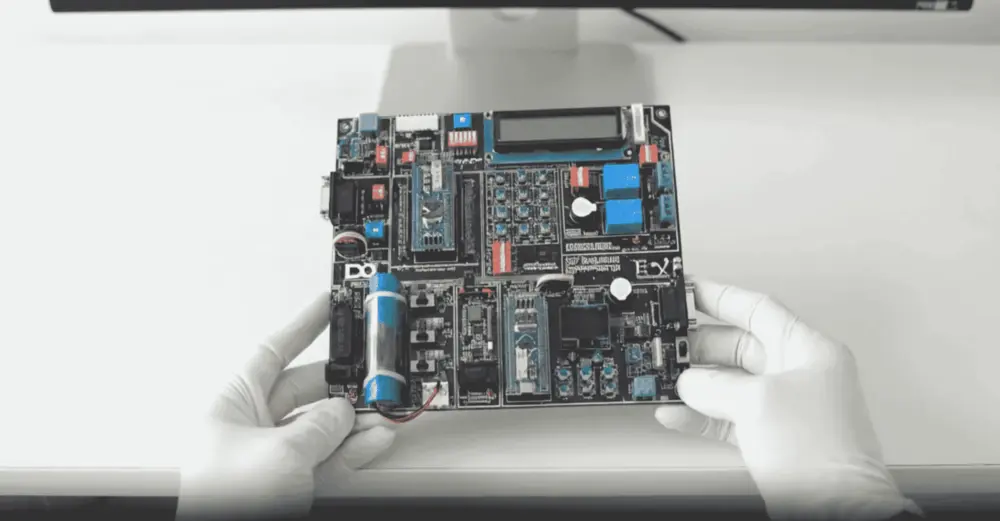
System Requirements
What to have ready before you start this course.
Associated Skills
DIY Projects Included
Work you build while learning — submitted in the course and reviewed by a trainer, and yours to show afterwards.
Using Module 2, list the pre-compliance tests, standards and documents an electric two-wheeler would need before type approval, with budget risks noted.
Compare AC/DC charging, CCS, CHAdeMO and battery swapping on connector, power level and suitable vehicle segment.
Write a one-page note recommending a cell chemistry for a city delivery vehicle, using the cell performance and cost points from Module 5.
Course Benefits
Two audiences. Two angles. Pick the one that maps to where you are today.
What this course includes
Who can take this course?
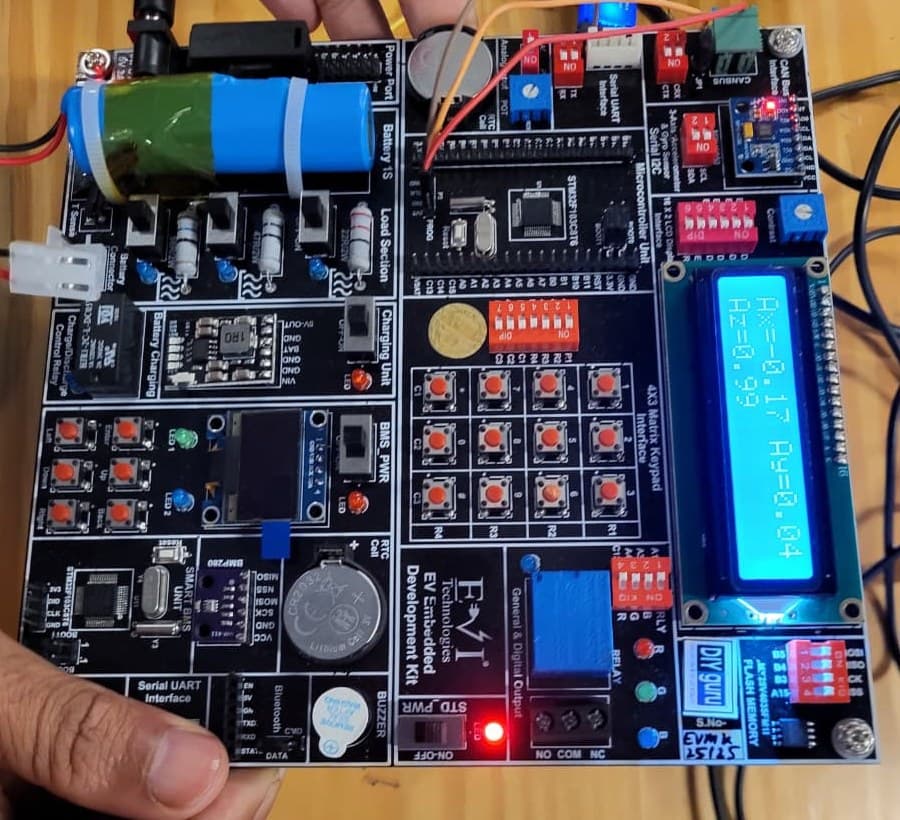
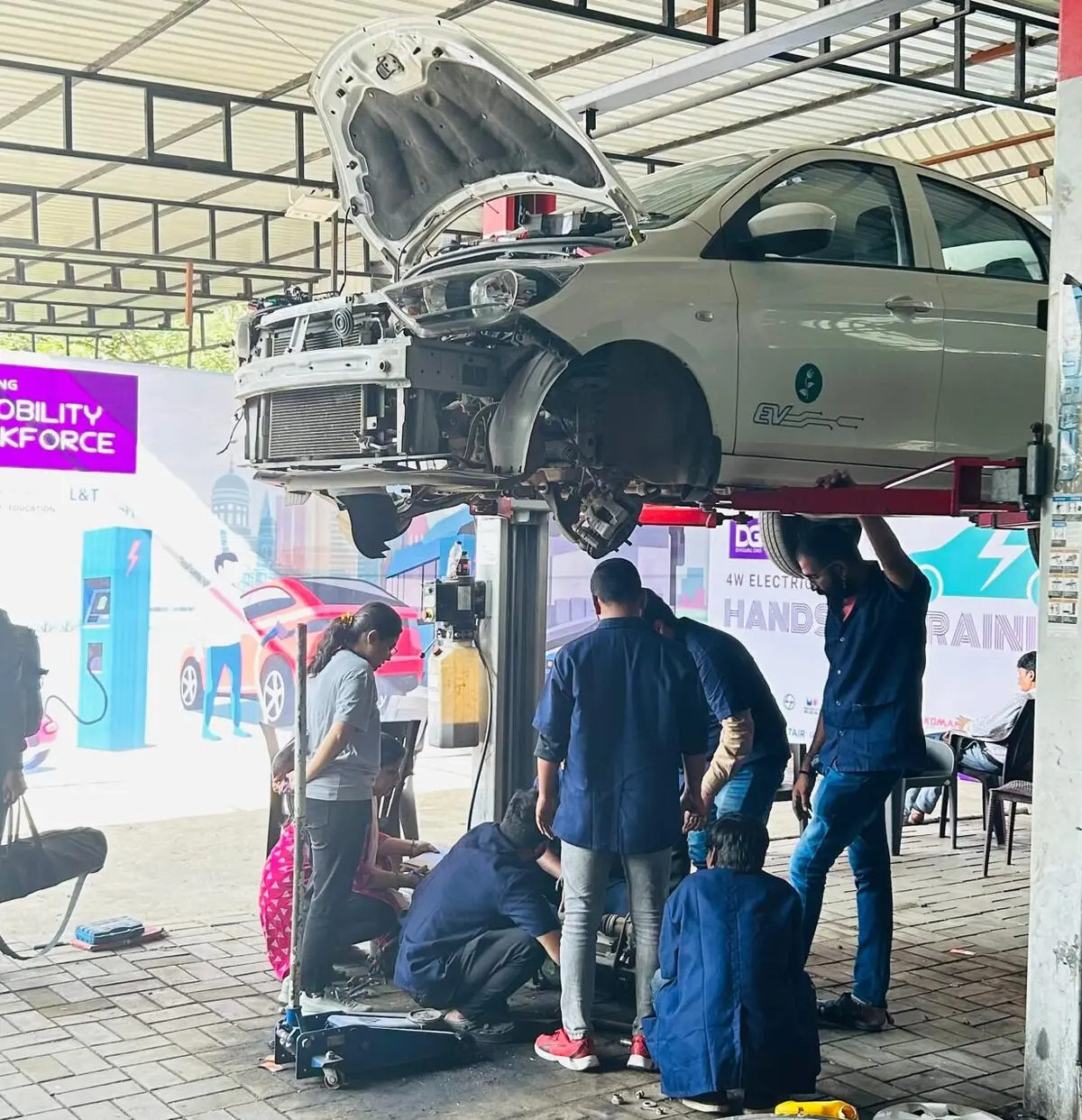
Practise on real hardware
₹10,000 + GST
See what's in the kitTrainer Support
Ask questions in the course Q&A, for example about how AIS 156 battery tests differ from AIS 038 or how a retrofit kit is approved, and a trainer will respond. CEVT programme students also get the programme's scheduled live classes and doubt-clearing sessions.
Bharat eMobility Recruitathon
The Bharat eMobility Recruitathon brings our learners face to face with companies hiring across the EV industry. Watch the Delhi and Pune chapters.
Reviews
★★★★★
Good
Suraj G. · Oct 2026
★★★★★
I don't no this diyguru site
Aman · Sept 2026
★★★★★
Nice study
Buddhi P. · Sept 2026
★★★★★
CVET. Very informative
Navneet V. · Aug 2025
Reviewed on courses.diyguru.org
★★★★★
Great Learning Experience. This course provided a solid foundation in electric mobility. The content was clear, well-structured, and practical. Highly recommended for EV enthusiasts and professionals!
Rupak A. · Jul 2025
Reviewed on courses.diyguru.org
★★★★★
EV testing & EV Battery Market. We have gone thru with the EV marketing in all the source and got to know about it.
Venkatesh · Jul 2025
Reviewed on courses.diyguru.org
FAQ
Talk to a counsellor
Leave your details — a counsellor will call you about the syllabus, fees, EMI and certificates.
Technical Expertise You Will Gain
The roles these skills are used in, what you'll be able to do, and the parts of the industry that need it.
Government-Certified · Industry-Endorsed · Learner-Approved
Automotive Skills Development Council — recognised by major OEMs worldwide.
National Educational Alliance for Technology — issued under AICTE's premium learning ecosystem.
Learner Stories
The hardware-first approach made all the difference. Came in from a generalist electronics background; the BMS and motor-drive modules gave me concrete vocabulary I could carry into Infineon interviews.

Industry-grade depth without the academic ivory tower. The MATLAB Simulink + capstone defence prepared me for exactly the kind of cross-functional EV problems we solve at Cummins.

Started with electronics, walked into a BMS role in Germany. The applied projects + mentor reviews are what carried me through — the certifications opened the door, the depth got me hired.

Recorded lessons at your own pace · trainer doubt support · verifiable certificate on completion.