emobility.academy
★ 4.7 from 65 student reviews · Curriculum reviewed by IIT Faculty · Continue learning
4.7 / 5 — 65 student reviews

इलेक्ट्रिक व्हीकल एसेंशियल्स 1: इंडस्ट्री इकोसिस्टम और बैटरी टेक्नोलॉजी

The first of DIYguru's two EV Essentials courses, focused on the EV industry and the vehicle as a whole. It covers the Indian and global EV market, government initiatives, charging, battery, service and OEM ecosystems, the ICE-to-EV transition and technology transfer, EV architectures (BEV, HEV, PHEV, FCEV), energy sto
16+ hours
53 video lessons
6 modules
beginner
English
Recognised & Certified by
ASDC
AICTE NEAT

Course Curriculum

64 lessons across 6 modules

The first of DIYguru's two EV Essentials courses, focused on the EV industry and the vehicle as a whole. It covers the Indian and global EV market, government initiatives, charging, battery, service and OEM ecosystems, t

1
Module 1

कोर्स में आपका स्वागत है!

1 lesson
  1. 1

    eMobility.careers पर साइन अप करें और पाएं EV जॉब के विशेष अवसर!

    text

2
Module 2

मॉड्यूल 1: EV टेक्नोलॉजी की शुरुआत

13 lessons
  1. 1

    विषय 1: इलेक्ट्रिक व्हीकल के मूल सिद्धांत_ आवश्यकता, ICE से EV ट्रांज़िशन, प्रकार और EV इंडस्ट्री का अवलोकन

    22 min· free trial

  2. 2

    विषय 2: इलेक्ट्रिक व्हीकल को समझें_ लाभ, कंपोनेंट, प्रकार और मार्केट एडॉप्शन

    7 min· free trial

  3. 3

    विषय 3: हाइब्रिड और इलेक्ट्रिक व्हीकल का विकास_ वैश्विक और भारतीय परिप्रेक्ष्य

    14 min

  4. 4

    विषय 4: इलेक्ट्रिक मोबिलिटी का उदय_ ग्लोबल EV मार्केट ग्रोथ और एडॉप्शन ट्रेंड

    21 min

  5. 5

    विषय 5: भारतीय EV परिदृश्य_ मार्केट ट्रेंड, प्रमुख खिलाड़ी और भविष्य की ग्रोथ

    14 min

  6. 6

    विषय 6: भारत में EV संबंधी सरकारी पहल और ग्लोबल इलेक्ट्रिक व्हीकल मार्केट का अवलोकन

    16 min

  7. 7

    विषय 7: भारतीय बाज़ार में EV की विकास क्षमता और चुनौतियां

    15 min

  8. 8

    विषय 8: भारत में EV चार्जिंग इंफ़्रास्ट्रक्चर_ तकनीक, इकोसिस्टम और चुनौतियाँ

    14 min

  9. 9

    विषय 9: भारत में EV बैटरी मैन्युफैक्चरिंग इकोसिस्टम

    17 min

  10. 10

    विषय 10: EV सर्विस और रिपेयर मार्केट इकोसिस्टम

    9 min

  11. 11

    विषय 11: भारत में EV OEM इकोसिस्टम और पॉलिसी फ़्रेमवर्क

    22 min

  12. 12

    EV Essentials 1 मॉड्यूल 1 क्विज़

    quiz

  13. 13

    EV एसेंशियल्स 1 मॉड्यूल 1 क्विज़ के समाधान

    text

3
Module 3

मॉड्यूल 2: ICE से EV ट्रांज़िशन को समझना

14 lessons
  1. 1

    विषय 1: ICE से EV ट्रांज़िशन और ग्लोबल EV मार्केट ट्रेंड (भारत बनाम USA बनाम चीन)

    21 min

  2. 2

    विषय 2: ऑटोमोटिव इंडस्ट्री की चुनौतियों का विश्लेषण

    14 min

  3. 3

    विषय 3: E मोबिलिटी टेक्नोलॉजी का उदय

    13 min

  4. 4

    विषय 4: ICE बनाम EV पावरट्रेन_ कंपोनेंट, आर्किटेक्चर और पावर फ़्लो

    13 min

  5. 5

    विषय 5: EV टेक्नोलॉजी के कंपोनेंट - ट्रांसमिशन और फ़्यूल सिस्टम भाग 1

    18 min

  6. 6

    विषय 6: EV टेक्नोलॉजी के कंपोनेंट - ट्रांसमिशन और फ़्यूल सिस्टम भाग 2

    16 min

  7. 7

    विषय 7: EV टेक्नोलॉजी के कंपोनेंट - चेसिस और सस्पेंशन भाग 1

    21 min

  8. 8

    विषय 8: EV टेक्नोलॉजी के कंपोनेंट - चेसिस और सस्पेंशन भाग 2

    11 min

  9. 9

    विषय 9: टेक्नोलॉजी ट्रांसफ़र - इंजन से मोटर सिस्टम तक

    21 min

  10. 10

    विषय 10: टेक्नोलॉजी ट्रांसफ़र - फ़्यूल सिस्टम से बैटरी तक भाग 1

    20 min

  11. 11

    विषय 11: टेक्नोलॉजी ट्रांसफ़र - फ़्यूल सिस्टम से बैटरी तक भाग 2

    12 min

  12. 12

    विषय 12: टेक्नोलॉजी ट्रांसफ़र - एग्ज़ॉस्ट से एनर्जी मैनेजमेंट तक

    19 min

  13. 13

    EV Essentials 1 मॉड्यूल 2 क्विज़

    quiz

  14. 14

    EV एसेंशियल्स 1 मॉड्यूल 2 क्विज़ के समाधान

    text

4
Module 4

मॉड्यूल 3: इलेक्ट्रिक व्हीकल इंजीनियरिंग

26 lessons
  1. 1

    विषय 1: EV लेआउट, केबल, कंपोनेंट और कंट्रोल - भाग 1

    16 min

  2. 2

    विषय 2: EV लेआउट, केबल, कंपोनेंट और कंट्रोल - भाग 2

    9 min

  3. 3

    विषय 3: EV का वर्गीकरण

    12 min

  4. 4

    विषय 4: EV आर्किटेक्चर और डिज़ाइन

    23 min

  5. 5

    विषय 5: बैटरी इलेक्ट्रिक व्हीकल - भाग 1

    18 min

  6. 6

    विषय 6: बैटरी इलेक्ट्रिक व्हीकल - भाग 2

    16 min

  7. 7

    विषय 7: हाइब्रिड इलेक्ट्रिक व्हीकल

    20 min

  8. 8

    विषय 8: प्लग-इन हाइब्रिड इलेक्ट्रिक व्हीकल - भाग 1

    17 min

  9. 9

    विषय 9: प्लग-इन हाइब्रिड इलेक्ट्रिक व्हीकल्स - भाग 2

    15 min

  10. 10

    विषय 10: फ़्यूल सेल इलेक्ट्रिक व्हीकल - भाग 1

    15 min

  11. 11

    विषय 11: फ़्यूल सेल इलेक्ट्रिक व्हीकल - भाग 2

    13 min

  12. 12

    विषय 12: फ़्यूल सेल इलेक्ट्रिक व्हीकल - भाग 3

    15 min

  13. 13

    विषय 13: मैकेनिकल स्टोरेज सिस्टम - भाग 1

    14 min

  14. 14

    विषय 14: मैकेनिकल स्टोरेज सिस्टम - भाग 2

    19 min

  15. 15

    विषय 15: केमिकल स्टोरेज सिस्टम

    15 min

  16. 16

    विषय 16: EV के लिए बैटरी टेक्नोलॉजी

    14 min

  17. 17

    विषय 17: इलेक्ट्रिक मोटर का परिचय - भाग 1

    16 min

  18. 18

    विषय 18: इलेक्ट्रिक मोटर का परिचय - भाग 2

    10 min

  19. 19

    विषय 19: इलेक्ट्रिक मोटर का परिचय - भाग 3

    17 min

  20. 20

    विषय 20: बैटरी मैनेजमेंट सिस्टम का परिचय - भाग 1

    17 min

  21. 21

    विषय 21: बैटरी मैनेजमेंट सिस्टम का परिचय - भाग 2

    16 min

  22. 22

    विषय 22: चार्जिंग टेक्नोलॉजी का परिचय - भाग 1

    19 min

  23. 23

    विषय 23: चार्जिंग टेक्नोलॉजी का परिचय - भाग 2

    16 min

  24. 24

    विषय 24: EV रेंज और एफ़िशिएंसी

    17 min

  25. 25

    EV Essentials 1 मॉड्यूल 3 क्विज़

    quiz

  26. 26

    EV एसेंशियल्स 1 मॉड्यूल 3 क्विज़ के समाधान

    text

5
Module 5

मॉड्यूल 4: EV सिस्टम के लिए बैटरी टेक्नोलॉजी

8 lessons
  1. 1

    विषय 1: EV Battery Technology और इकोसिस्टम का परिचय

    26 min

  2. 2

    विषय 2: EV बैटरी कंपोनेंट, कार्य सिद्धांत और पैक आर्किटेक्चर

    16 min

  3. 3

    विषय 3: EV बैटरी सेल_ प्रकार, डिज़ाइन और लागत का विवरण

    16 min

  4. 4

    विषय 4: EV के लिए लिथियम-आयन बैटरी केमिस्ट्री की व्याख्या

    29 min

  5. 5

    विषय 5: EV चार्जिंग इंफ्रास्ट्रक्चर और BMS की व्याख्या _ यूरोप बनाम एशिया स्टैंडर्ड _ बैटरी प्रोटेक्शन सिस्टम

    13 min

  6. 6

    विषय 6: EV बैटरी में SOC और SOH की व्याख्या _ बैटरी थर्मल मैनेजमेंट और मैन्युफैक्चरिंग प्रोसेस

    18 min

  7. 7

    EV एसेंशियल्स 1 मॉड्यूल 4 क्विज़

    quiz

  8. 8

    EV एसेंशियल्स 1 मॉड्यूल 4 क्विज़ के समाधान

    text

6
Module 6

DIY प्रोजेक्ट:

2 lessons
  1. 1

    प्रोजेक्ट 1: इलेक्ट्रिक वाहनों के लिए ड्राइवट्रेन आर्किटेक्चर का डिज़ाइन और विकास

    assignment

  2. 2

    कोर्स सफलतापूर्वक पूरा करने पर बधाई!

    text

Earn a certificate

Add this credential to your resume — and watch employers ask about it

Every completing learner receives a joint certificate carrying ASDC (Government of India) and AICTE NEAT recognition. The certificate carries a public verification code recruiters can validate in seconds via emobility.careers.
  • Issued when you complete the lessons and required quizzes and assignments
  • Digitally signed, with a public verification link and QR code
  • Anyone — an employer or a college — can check it in seconds
  • Shows the course title and the skills it covers
Sample emobility.academy certificate

System Requirements

Hardware & software you'll need

What to have ready before you start this course.

Hardware

  • Laptop, tablet or smartphone with internet access to stream video lessons
  • Notebook for diagrams and the drivetrain project sketches

Software

  • Modern web browser to access the course player

Associated Skills

What you'll be able to put on your résumé

EV market landscapeIndian EV policyICE vs EV powertrainTechnology transferEV architectureBEV, HEV, PHEV, FCEVEnergy storage typesEV battery cellsLi-ion chemistriesBMS basicsSOC and SOHEV range and efficiency

DIY Projects Included

Hardware-grounded projects in your portfolio

Work you build while learning — submitted in the course and reviewed by a trainer, and yours to show afterwards.

🗺️
Project 01

India EV ecosystem map

Make a one-page map of India's EV ecosystem with OEMs, battery makers, charging operators and service networks as segments, and note one policy that affects each.

🔄
Project 02

ICE-to-EV component mapping

List major ICE subsystems (engine, fuel system, transmission, exhaust) and map each to its EV counterpart, using the technology-transfer lessons in Module 2.

🚗
Project 03

Capstone: EV drivetrain architecture

Complete the course project on designing and developing a drivetrain architecture for an electric vehicle, choosing the vehicle type, layout and key components, and submit it for trainer review.

Course Benefits

What you'll get out of it

Two audiences. Two angles. Pick the one that maps to where you are today.

For Working Professionals

  • Industry context
    Understand India's EV market, players, policies and challenges before you specialise.
  • Bridge from ICE
    Technology-transfer lessons show how your ICE knowledge carries over to EV systems.
  • Common language across teams
    Learn the terms and architectures used by engineering, sales and service teams alike.
  • Foundation for programmes
    Builds the base needed for battery, motor, charging and embedded courses.

For Students & Freshers

  • Start from zero
    No prior EV knowledge is assumed; the course builds up from why EVs are needed.
  • Quizzes after each module
    Four module quizzes with solutions help you track your progress.
  • Covers all vehicle types
    Learn BEV, HEV, PHEV and fuel cell vehicles with their storage systems.
  • First project
    The drivetrain architecture project is a manageable first EV design exercise.

What this course includes

Everything you get when you enrol

  • 4 Modules.
  • 67 Lectures.
  • 14.8 hours of Video Content.
  • 4 Quizzes with Solutions.
  • 1 Project Assignment.
  • PPTs for Each Module in PDF Format.
  • Certification of Completion.

Who can take this course?

If any of these sound like you — you'll thrive here

  • Engineering and diploma students of any branch starting their first structured EV course
  • Automobile professionals from the ICE side who want to understand how engines, fuel systems and exhausts map to motors, batteries and energy management
  • Business, sales and policy professionals who need a clear picture of India's EV market, OEMs and charging ecosystem
  • Programme students beginning a Nanodegree or Professional Certification Programme
  • Workshop owners and technicians planning to service EVs who want the system-level basics first
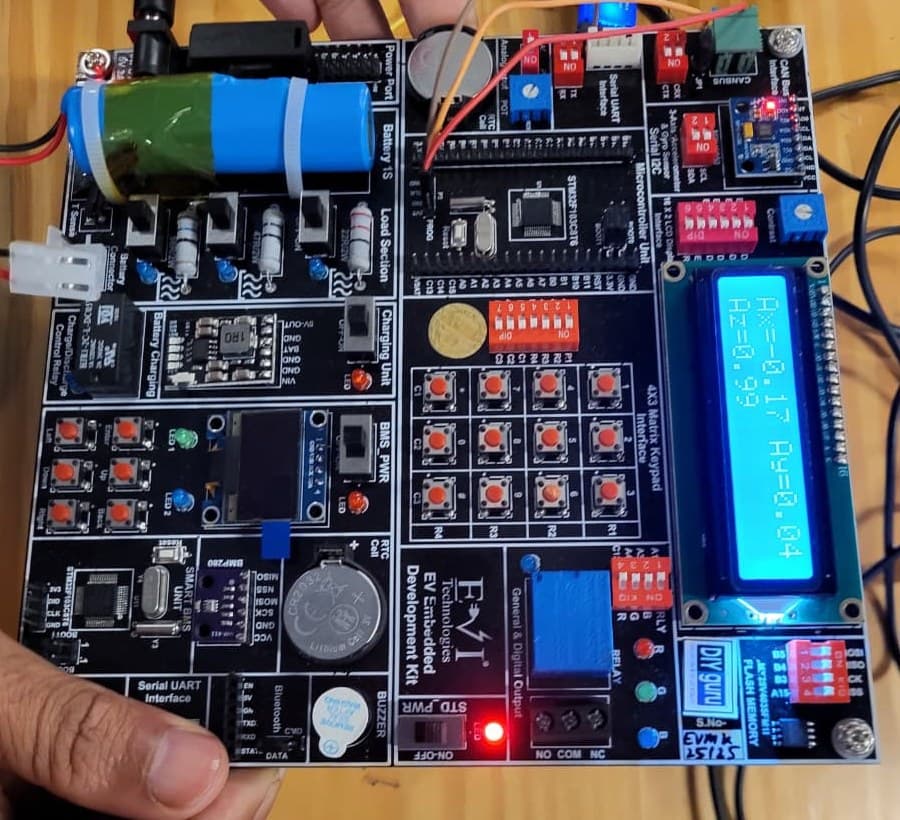
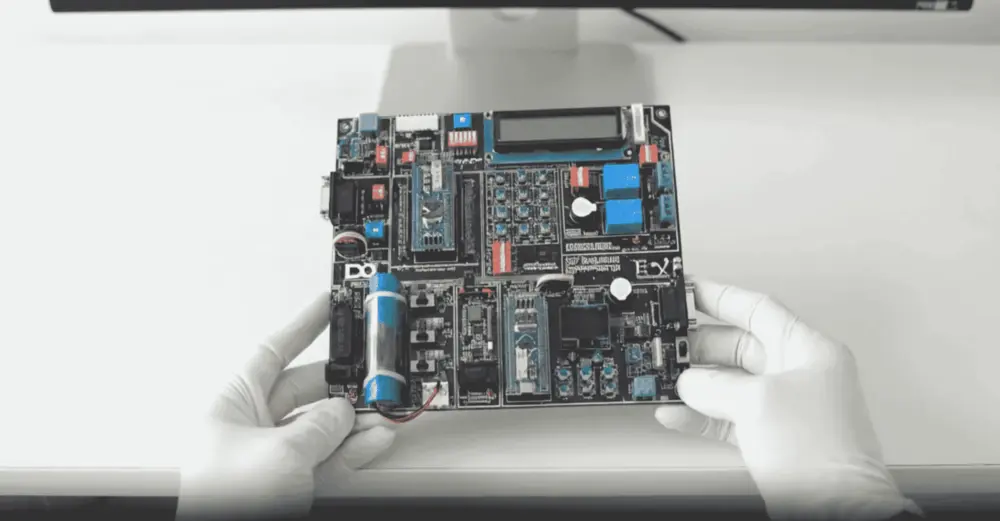
EV Embedded Development Kit board

Practise on real hardware

EV Embedded Development Kit

  • STM32 controller and Smart BMS unit
  • CAN, UART, I2C, SPI and Bluetooth
  • Sensors, LCD, OLED and motor control
  • 15+ guided experiments at home

₹10,000 + GST

See what's in the kit

Trainer Support

Stuck on a concept? Ask a trainer.

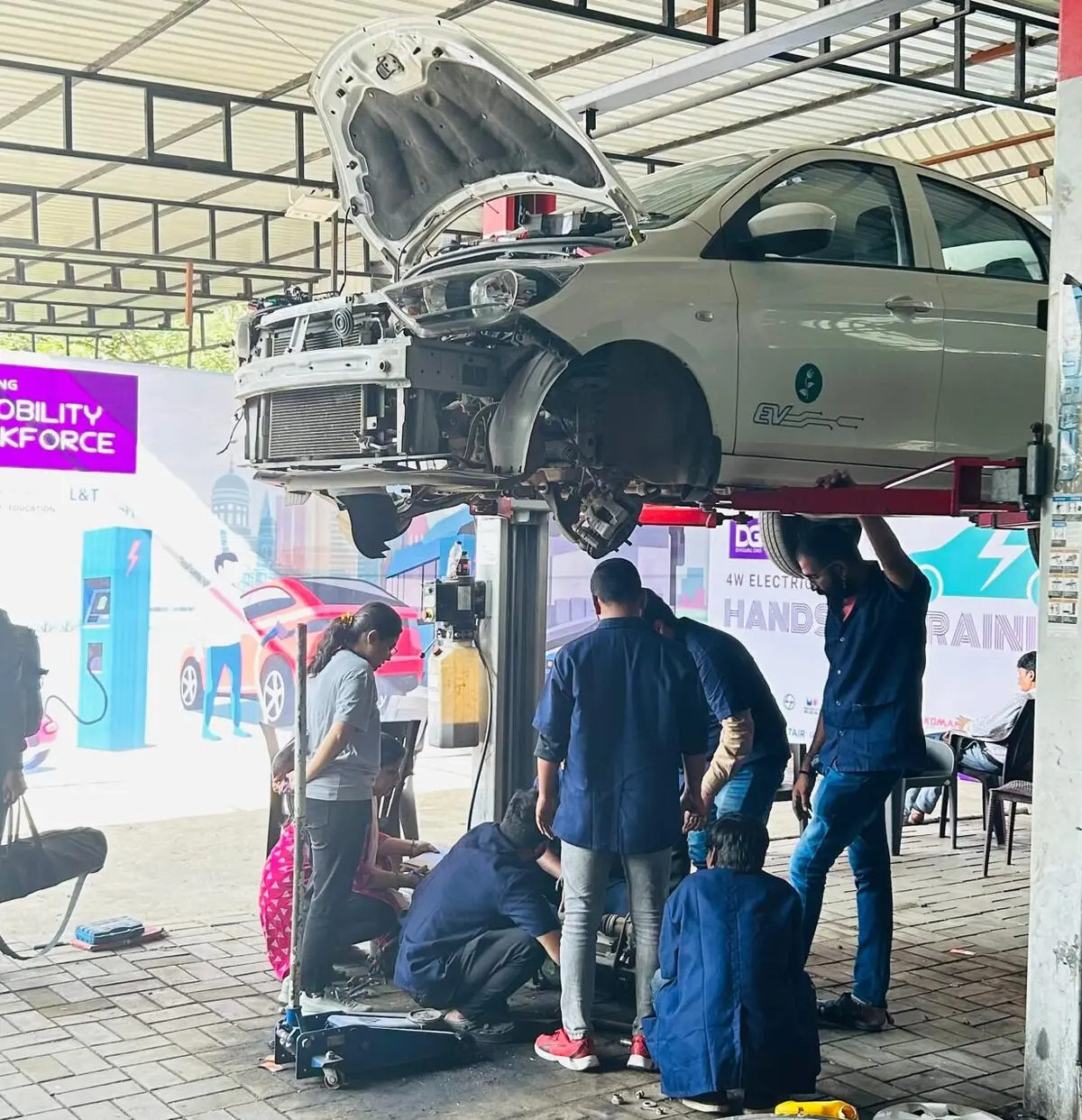
DIYguru trainer working with learners

Ask about market topics, EV architectures or battery basics in the course Q&A on the portal and a trainer will answer there. Programme students can also bring doubts to the live doubt-clearing sessions when scheduled.

  • Ask questions in the course Q&A, right next to the lesson
  • Trainers answer on the portal — you're notified when they reply
  • Assignments and projects you submit are reviewed by a trainer
  • Live doubt-clearing sessions when they're scheduled for the course

Bharat eMobility Recruitathon

Meet the EV industry in person

The Bharat eMobility Recruitathon brings our learners face to face with companies hiring across the EV industry. Watch the Delhi and Pune chapters.

Delhi chapterRecruitathon
Pune chapterRecruitathon

Reviews

4.7 ★ from 65 student reviews

  • ★★★★★

    thanku

    Raj K. · Oct 2026

  • ★★★★★

    good and learn much more new things

    SAKTHI C. · Oct 2026

  • ★★★★★

    informative

    Arvind S. · Sept 2026

  • ★★★★★

    Yeah it's absolutely knowledgeable course with good explanation each & ever topics covered in clear crystal manner.

    DINESH M. · Sept 2026

  • ★★★★★

    Good contents

    Sathish C. · Jul 2026

  • ★★★★★

    Good

    Aman C. · Jul 2026

FAQ

Frequently asked questions

Do I need any EV knowledge to start?
No. This is an entry course that starts from EV fundamentals and the ICE-to-EV transition.
How is Essentials 1 different from Essentials 2?
Essentials 1 covers the industry ecosystem, EV architectures and battery technology. Essentials 2 covers power electronics, motors, vehicle electrification and charging technology. Many learners take them in that order.
Is any software needed?
No. The lessons are recorded videos on the portal; a browser and internet connection are enough.
How are quizzes and the project handled?
Each of the four modules ends with a quiz and a solutions lesson. The drivetrain architecture project is submitted from the lesson in the course player and reviewed by trainers.
Will I get a certificate?
Yes. When you complete all lessons and the required quizzes and assignments, you receive a digitally signed certificate that anyone can check through its public verification link or QR code.
Which programmes include this course?
It is part of many DIYguru programmes, including the Advanced Nanodegrees in Battery & BMS, Electrical, Mechanical, Embedded Systems and ADAS & AUTOSAR, the Professional Certification Programmes in Battery & Powertrain, Motor & Drives, EV Charging & Hydrogen, EV Industry Ecosystem, EV Embedded Systems, EV Design & Simulation and EV Electrical Design & Simulation, and the PG Certificate Programme in EV & Embedded Systems.
How is the course delivered?
As recorded video lessons on the portal that you watch at your own pace, with quizzes, assignments and a project where the course includes them. Your progress is saved lesson by lesson.
What if I get stuck?
Ask in the course's Q&A on the portal — a trainer answers there. Live doubt-clearing sessions are added when they are scheduled for the course.
What certificate will I get?
A digitally signed certificate of completion once you finish the lessons and the required quizzes and assignments. Each certificate has a public verification link and QR code anyone can check.

Talk to a counsellor

Questions about इलेक्ट्रिक व्हीकल एसेंशियल्स 1: इंडस्ट्री इकोसिस्टम और बैटरी टेक्नोलॉजी?

Leave your details — a counsellor will call you about the syllabus, fees, EMI and certificates.

Technical Expertise You Will Gain

Where इलेक्ट्रिक व्हीकल एसेंशियल्स 1: इंडस्ट्री इकोसिस्टम और बैटरी टेक्नोलॉजी can take you

The roles these skills are used in, what you'll be able to do, and the parts of the industry that need it.

Key Job Roles

  • →EV graduate engineer trainee
  • →EV sales and product executive
  • →EV service advisor
  • →EV market or policy research associate
  • →Junior vehicle integration engineer

Skill Sets

  • →Describe India's EV market, policy framework and ecosystem segments
  • →Compare ICE and EV powertrains, components and power flow
  • →Classify EVs into BEV, HEV, PHEV and FCEV and explain their architecture
  • →Explain EV battery components, cell types, chemistries and pack architecture
  • →Explain the role of BMS, SOC and SOH in an EV battery
  • →Outline a basic drivetrain architecture for an electric vehicle

Where These Skills Are Used

  • →Electric vehicle manufacturers
  • →EV dealerships and sales
  • →EV service and repair
  • →Battery manufacturing
  • →Charging infrastructure
  • →Mobility research and policy

Government-Certified · Industry-Endorsed · Learner-Approved

Globally recognised credentials

ASDC (Govt of India)

ASDC (Govt of India)

Automotive Skills Development Council — recognised by major OEMs worldwide.

AICTE NEAT

AICTE NEAT

National Educational Alliance for Technology — issued under AICTE's premium learning ecosystem.

Learner Stories

What our learners say

The hardware-first approach made all the difference. Came in from a generalist electronics background; the BMS and motor-drive modules gave me concrete vocabulary I could carry into Infineon interviews.

Souvik Hazra
Souvik Hazra
Senior Manager · Infineon Technologies

Industry-grade depth without the academic ivory tower. The MATLAB Simulink + capstone defence prepared me for exactly the kind of cross-functional EV problems we solve at Cummins.

Sharad Yeola
Sharad Yeola
Application Controls Lead · Cummins Inc.

Started with electronics, walked into a BMS role in Germany. The applied projects + mentor reviews are what carried me through — the certifications opened the door, the depth got me hired.

Jagatjit Barik
Jagatjit Barik
Sr. R&D Engineer (BMS xEV) · Mercedes-Benz

Ready to start इलेक्ट्रिक व्हीकल एसेंशियल्स 1: इंडस्ट्री इकोसिस्टम और बैटरी टेक्नोलॉजी?

Recorded lessons at your own pace · trainer doubt support · verifiable certificate on completion.

Accreditations

Programs Recognised by Govt. Bodies & Industries

ASDC
AICTE NEAT
SIMOPS Saudi
DSD Malaysia
UK Government
UACH
Tata Technologies
ADYPU
UDYOGA Karnataka
Ola Mobility Institute