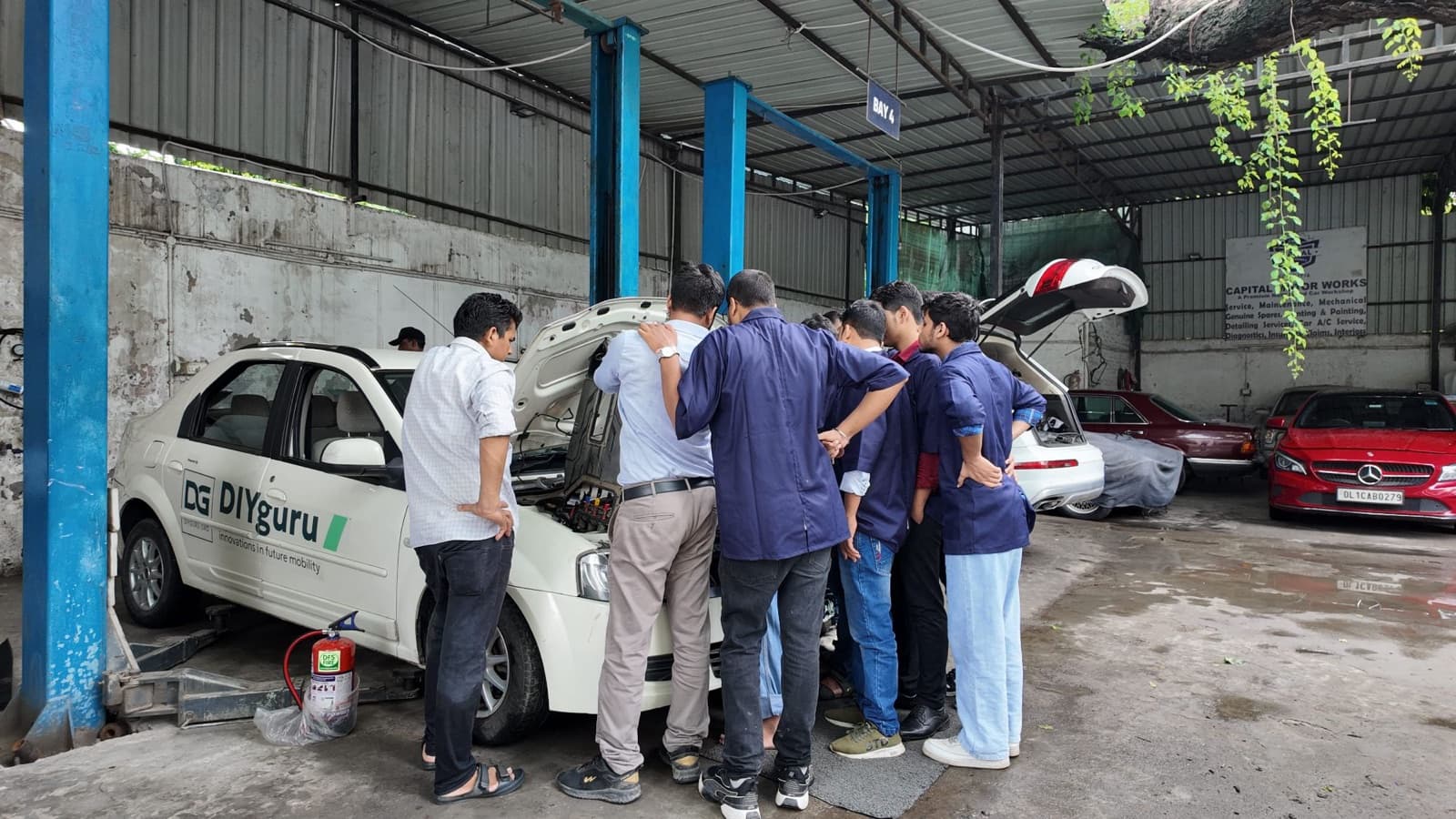
ADAS training is the hands-on part of learning driver assistance: building scenarios, writing lane and object detection, tuning adaptive cruise control, fusing radar and camera data, and proving the feature works through model-, software- and hardware-in-the-loop testing. This guide explains what practical ADAS training includes, how validation works, the formats available in India (online, lab-based and corporate), what you should be able to do at the end, and how to reach an ADAS job with placement support.
Quick answer: Good ADAS training is project-based. You implement real features (LDW, LKA, ACC, FCW, AEB, blind-spot detection) in MATLAB / Simulink and Python, validate them along the X-in-the-loop ladder (MIL → SIL → PIL → HIL), and learn the safety standards (ISO 26262, ISO 21448 SOTIF) that decide whether a feature can ship. DIYguru runs this as the 6-month Nanodegree in ADAS & AUTOSAR, and as the ADAS specialisation in the 12-month PG in EV & Embedded Systems, which includes placement support.
ADAS training options at a glance
| Option | Hands-on work | Duration | Fee (India) |
|---|---|---|---|
| ADAS certification course | MATLAB simulations of LDW / LKA, radar detection, ACC, FCW, BSD, RCTA; one reviewed project | 25+ hours, self-paced | ₹10,000 + GST |
| ADAS & AUTOSAR Nanodegree | Live labs, sensor fusion, ML, SIL / HIL concepts, AUTOSAR integration, capstones; optional ARM Cortex kit | 6 months | ₹49,999 or ₹65,000 (with IIT Jammu co-certification) + GST |
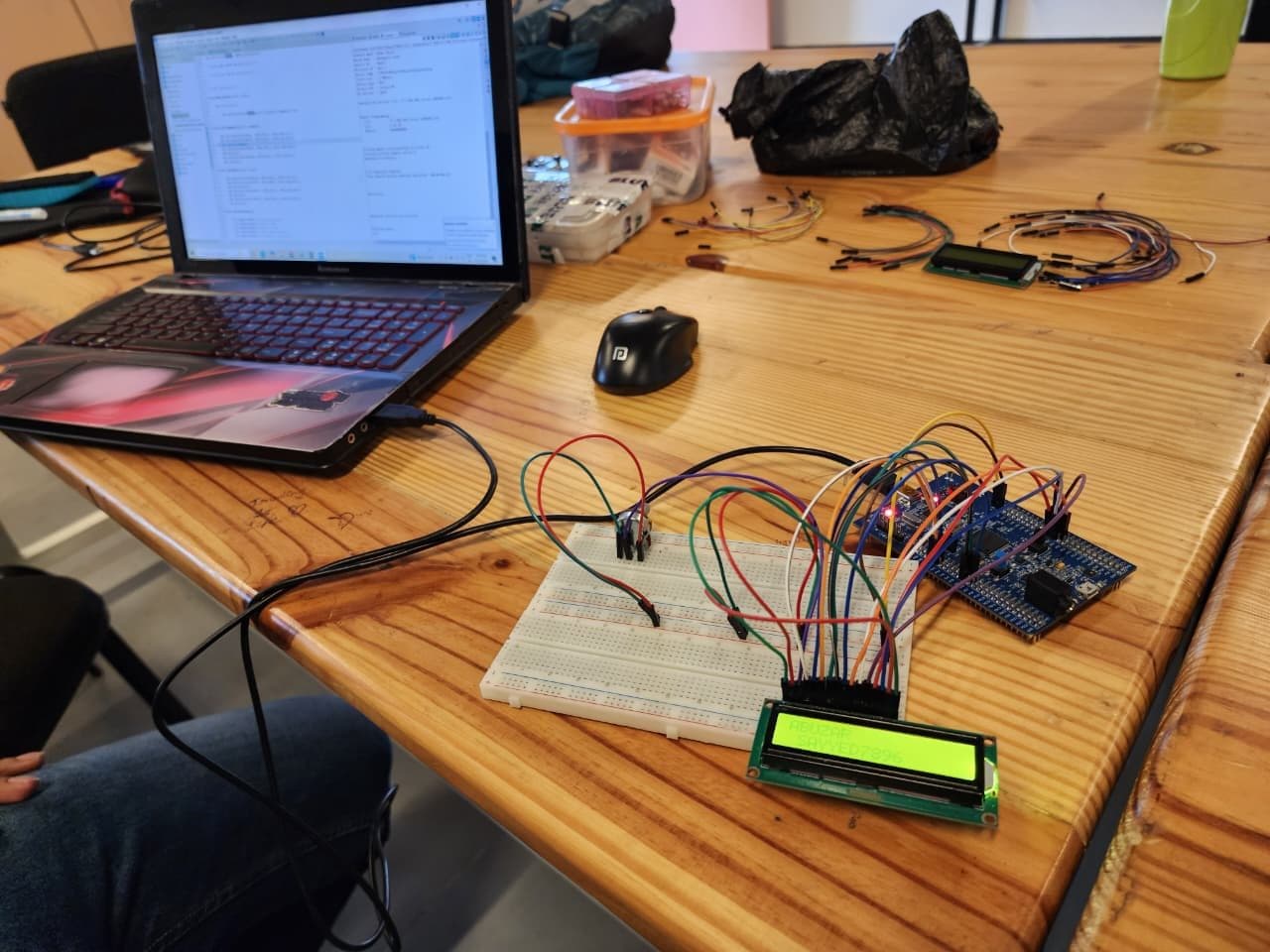
| PG in EV & Embedded Systems | 50+ hardware lab experiments, ADAS specialisation, capstone, placement preparation | 12 months | Ask admissions |
| Corporate ADAS training | Team programme on the company's own features and toolchain | Custom | Quoted per cohort |
New to ADAS? Start with our ADAS course guide, which explains the features, sensors and syllabus.
What you build in hands-on ADAS training
These are the projects DIYguru learners implement, roughly in order of difficulty:
| Feature | What you implement | Main skills |
|---|---|---|
| Lane departure warning / lane keeping assist | Camera lane detection on video, lateral offset, warning and steering correction | Computer vision, control |
| Radar object detection | Radar model, detection, clustering and tracking of targets | Signal processing, tracking |
| Adaptive cruise control | Gap and speed control, cut-in and stop-and-go cases | Control design, state machines |
| Forward collision warning / AEB | Time-to-collision, warning and braking stages | Decision logic, safety thinking |
| Blind-spot detection and rear cross-traffic alert | Zone logic with side and rear radar | Sensor geometry, edge cases |
| Vehicle exit alert and front cross-traffic alert | Door-open and junction scenarios | Scenario design |
| Sensor fusion | Combining camera and radar tracks | Kalman filtering, data association |
| ML-based driver behaviour | Supervised, unsupervised and reinforcement learning in Python | Machine learning, datasets |
For more ideas, browse 100 ADAS and AUTOSAR project guides.
Validation: the part most training skips
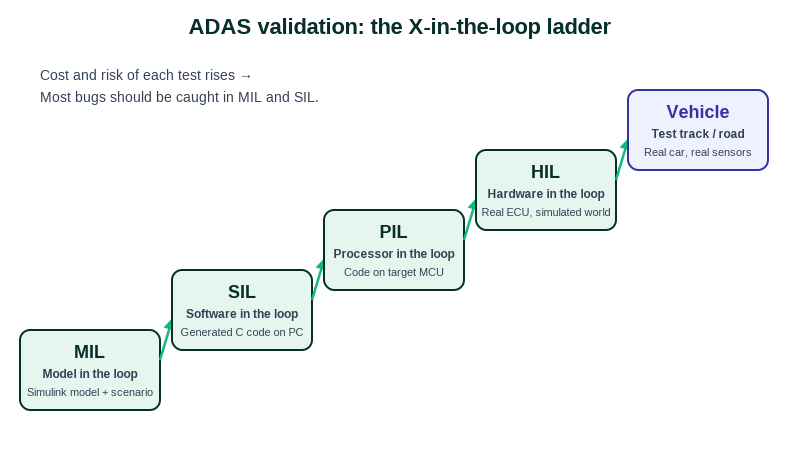
- MIL (model in the loop): the Simulink model runs against simulated scenarios. Fast and cheap, and this is where you tune the logic.
- SIL (software in the loop): generated C code runs on a PC against the same scenarios, to catch code generation and fixed-point issues.
- PIL (processor in the loop): the code runs on the target microcontroller, to check timing and memory.
- HIL (hardware in the loop): the real ECU is connected to a real-time simulator that fakes sensors and the vehicle. This is standard in OEM and Tier-1 validation teams.
- Vehicle testing: test track and road, done last.
Many ADAS jobs in India are validation and test roles. Training that teaches scenario design, test cases and requirements coverage is worth more than training that only shows finished demos. See our HIL / SIL engineer guide.
Safety standards in ADAS training
- ISO 26262: functional safety for faults in electrical and electronic systems. It covers ASIL levels, hazard analysis and safety goals.
- ISO 21448 (SOTIF): safety of the intended functionality. It covers hazards when nothing is broken but the system misjudges a situation, for example a camera blinded by sun glare.
- Testing programmes: Bharat NCAP in India and Euro NCAP abroad score AEB and lane support, so OEMs design features to their test protocols.
Training formats
Live online ADAS training
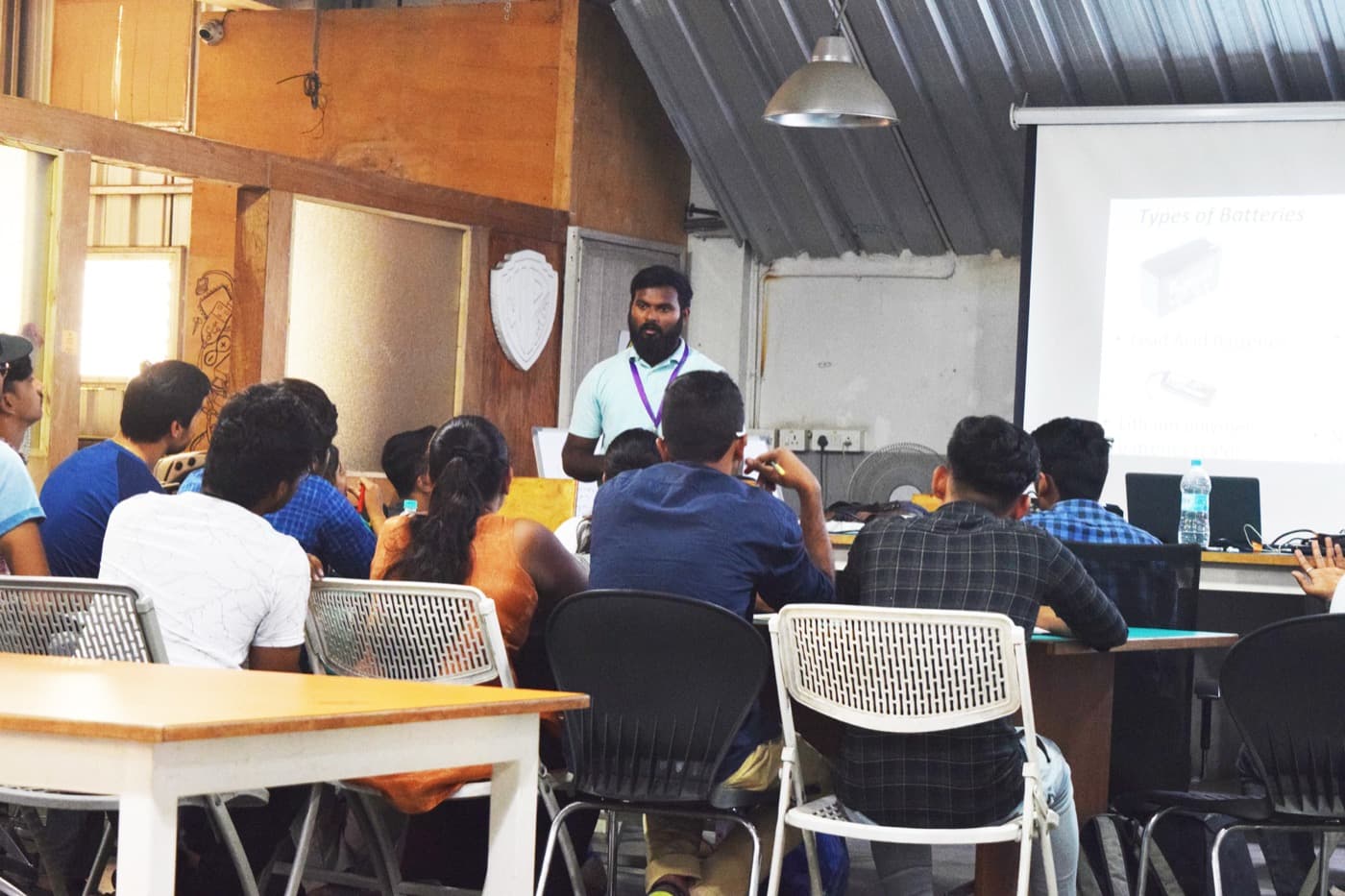
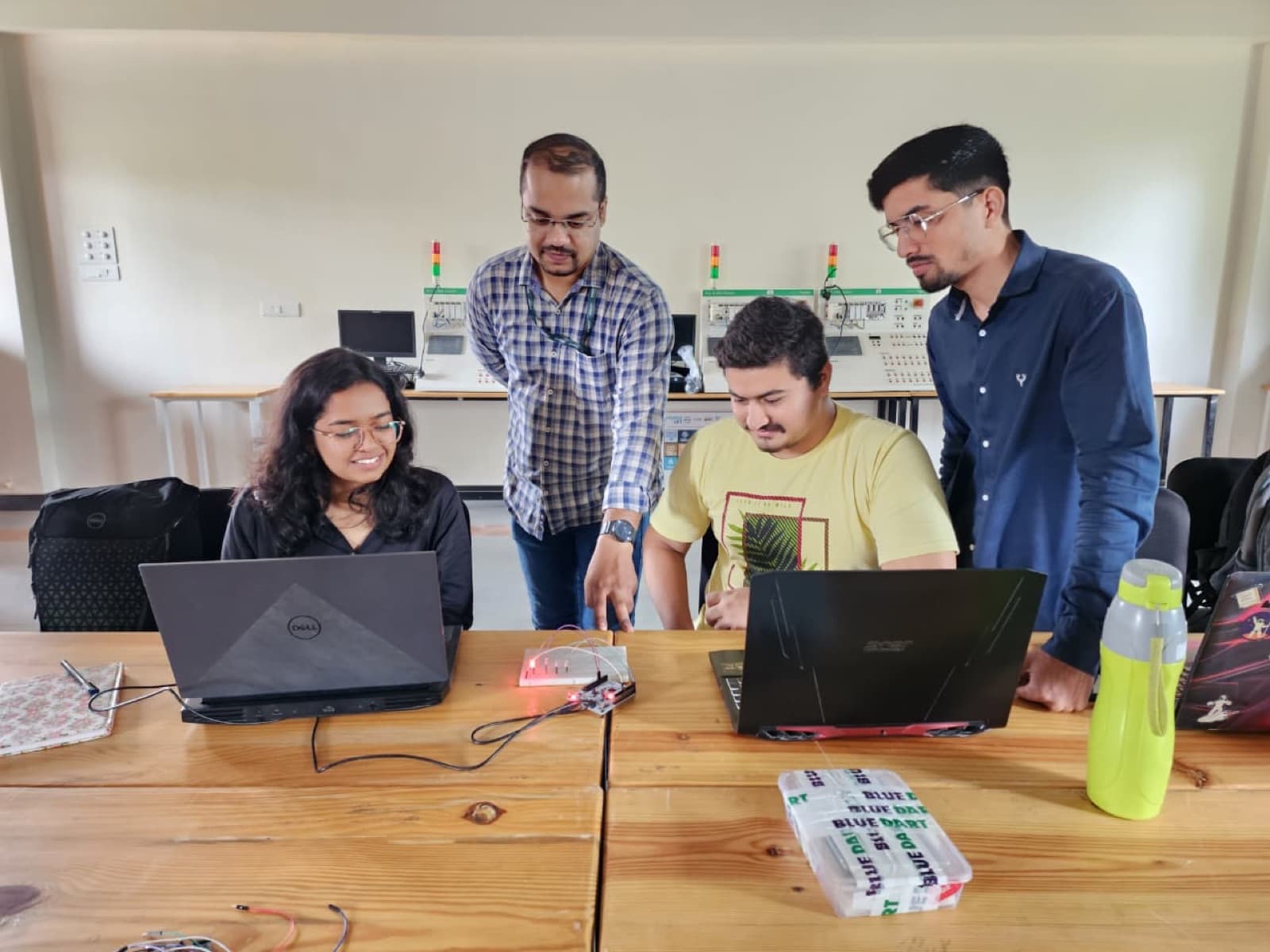
Simulation-first ADAS work suits online training well. DIYguru's nanodegree runs live classes with recordings, 1:1 mentoring and code reviews, so you can learn from any city.
Lab and on-vehicle sessions
Hands-on sessions run at DIYguru's training centres in New Delhi and Pune, with embedded hardware and EV systems. See EV training locations.
Corporate ADAS training
For OEMs, Tier-1 suppliers and engineering service companies moving teams into ADAS validation or development. Programmes are built around your toolchain and features. Contact us through DIYguru for business.
ADAS training in Bangalore, Pune, Chennai and Hyderabad
ADAS development and validation centres in India are concentrated in Bengaluru, Pune, Chennai, Hyderabad and Delhi NCR. The live online training is the same wherever you join from, and lab sessions in Pune and New Delhi are open to learners from any city.
ADAS training with placement
Placement support at DIYguru comes with the PG in EV & Embedded Systems only. It is 12 months: 8 months of core EV and embedded training, a 2-month ADAS specialisation with a capstone project, and 2 months of placement preparation (mock interviews, resume and portfolio reviews). Learners who clear the Placement Eligibility Test are supported by the Career Support Cell with employer mapping, referrals and placement drives through emobility.careers.
What you should be able to do after ADAS training
- Build a driving scenario and run an ACC or AEB model against it.
- Detect lanes in camera video and explain why detection fails at night or in rain.
- Track radar targets and fuse them with camera detections.
- Write test cases from a feature requirement and explain coverage.
- Explain MIL / SIL / HIL and where each catches bugs.
- Apply ISO 26262 and SOTIF thinking to a feature you built.
Frequently asked questions
What is the cost of ADAS training in India?
DIYguru's self-paced ADAS course is ₹10,000 + GST. Live, hands-on training in the ADAS & AUTOSAR nanodegree is ₹49,999 + GST, or ₹65,000 + GST with IIT Jammu co-certification. EMI and DET scholarships of up to ₹50,000 are available.
How long does ADAS training take?
You can cover fundamentals and simulations in 4–8 weeks. Becoming job-ready in development or validation takes about 6 months of mentored projects.
Can I do ADAS training online?
Yes. Most ADAS development starts in simulation, so live online training works well. Lab sessions in Pune and New Delhi add hardware practice.
Is ADAS training useful for EV engineers?
Yes. EVs lead ADAS fitment in India, and features like regenerative braking blending, AEB and ACC interact closely with EV powertrain controls.
Do I need a car or sensors to train in ADAS?
No. Scenario simulation with recorded camera and radar data covers most of the learning. Hardware-in-the-loop and vehicle testing come later, usually on the job.
What is the difference between ADAS development and ADAS validation training?
Development training focuses on algorithms: perception, fusion and control. Validation training focuses on scenarios, test cases, HIL / SIL and standards. DIYguru's nanodegree covers both, so you can choose your direction.
Related guides: Best ADAS courses in India compared · ADAS course · AUTOSAR training · AUTOSAR course · Embedded training · What is ADAS?
Sources: ISO 26262-1:2018; ISO 21448:2022 (SOTIF); MathWorks — Automated Driving Toolbox; JATO Dynamics — ADAS adoption in India, H1 2025; DIYguru course and programme pages (fees and structure as listed, November 2026). Updated 28 November 2026.