emobility.academy
Curriculum reviewed by IIT Faculty · Continue learning

Certification Course in 2W EV Design & Modeling with SOLIDWORKS

The “Certification Program in Electric Vehicle Modeling and Design with SOLIDWORKS” offers a comprehensive guide to designing a two-wheeler using SolidWorks. You’ll start by mastering the basics of 3D modeling and gradually move on to designing key components like the frame, suspension, swing arm, wheels, motor control


12.5+ hours
43 video lessons
9 modules
beginner
English
Recognised & Certified by
ASDC
AICTE NEAT

Course Curriculum

46 lessons across 9 modules

The “Certification Program in Electric Vehicle Modeling and Design with SOLIDWORKS” offers a comprehensive guide to designing a two-wheeler using SolidWorks. You’ll start by mastering the basics of 3D modeling and gradua

1
Module 1

Welcome to the Course!

1 lesson
  1. 1

    Sign up at eMobility.careers to get exclusive EV job Opportunities!

    text

2
Module 2

Module 1: Introduction and Basics

2 lessons
  1. 1

    Lecture1: Starting with 2W Design

    15 min· free trial

  2. 2

    Lecture 2: Starting with 2W Modeling using SOLIDWORKS

    16 min· free trial

3
Module 3

Module 2: Chassis/Frame and Suspension Design

4 lessons
  1. 1

    Lecture 3: Designing Chassis/Frame with SOLIDWORKS

    16 min

  2. 2

    Lecture 4: Designing Rear Suspension with SOLIDWORKS Part 1

    16 min

  3. 3

    Lecture 5: Designing Rear Suspension with SOLIDWORKS Part 2

    17 min

  4. 4

    Lecture 6: Designing Rear Suspension with SOLIDWORKS Part 3

    8 min

4
Module 4

Module 3: Swing Arm Design

3 lessons
  1. 1

    Lecture 7: Designing Swing Arm with SOLIDWORKS Part 1

    19 min

  2. 2

    Lecture 8: Designing Swing Arm with SOLIDWORKS Part 2

    12 min

  3. 3

    Lecture 9: Designing Swing Arm with SOLIDWORKS Part 3

    10 min

5
Module 5

Module 4: Wheel Design

9 lessons
  1. 1

    Lecture 10: Designing Front Alloy Wheel with SOLIDWORKS

    15 min

  2. 2

    Lecture 11: Designing Tyre with SOLIDWORKS

    16 min

  3. 3

    Lecture 12: Assembling Front Alloy Wheel, Tyre & Swing Arm in SOLIDWORKS

    20 min

  4. 4

    Lecture 13: Designing Disc Brake (for front wheel) with SOLIDWORKS

    18 min

  5. 5

    Lecture 14: Assembling Disc Brake with Front Alloy Wheel in SOLIDWORKS

    17 min

  6. 6

    Lecture 15: Designing Front Telescopic Suspension with SOLIDWORKS Part 1

    20 min

  7. 7

    Lecture 16: Designing Front Telescopic Suspension with SOLIDWORKS Part 2

    8 min

  8. 8

    Lecture 17: Designing Rear Wheel Hub Motor with SOLIDWORKS

    18 min

  9. 9

    Lecture 18: Designing Drum Brake (for rear wheel) with SOLIDWORKS

    22 min

6
Module 6

Module 5: Motor Controller Casing, Battery Pack and Steering Designing

7 lessons
  1. 1

    Lecture 19: Designing Motor Controller Casing with SOLIDWORKS Part 1

    19 min

  2. 2

    Lecture 20: Designing Motor Controller Casing with SOLIDWORKS Part 2

    15 min

  3. 3

    Lecture 21: Designing Motor Controller Casing with SOLIDWORKS Part 3

    15 min

  4. 4

    Lecture 22: Designing Battery Pack with SOLIDWORKS

    34 min

  5. 5

    Lecture 23: Designing DC-DC Converter with SOLIDWORKS

    13 min

  6. 6

    Lecture 24: Designing 2W Steering (Handlebar) with SOLIDWORKS Part 1

    10 min

  7. 7

    Lecture 25: Designing 2W Steering (Handlebar) with SOLIDWORKS Part 2

    20 min

7
Module 7

Module 6: Integration and Assembly

6 lessons
  1. 1

    Lecture 26: Integrating 2W Components in SOLIDWORKS - An Overview of Component Assembly

    19 min

  2. 2

    Lecture 27: Assembling 2W Components in SOLIDWORKS - Part 1

    16 min

  3. 3

    Lecture 28: Assembling 2W Components in SOLIDWORKS - Part 2

    21 min

  4. 4

    Lecture 29: Assembling 2W Components in SOLIDWORKS - Part 3

    14 min

  5. 5

    Lecture 30: Modeling 2W Seat in SOLIDWORKS

    19 min

  6. 6

    Lecture 31: Assembling Seat in Final 2W Assembly in SOLIDWORKS

    17 min

8
Module 8

Module 7: Final Assembly and Details

12 lessons
  1. 1

    Lecture 32: 2W Dynamics Assembly Part 1

    11 min

  2. 2

    Lecture 33: 2W Dynamics Assembly Part 2

    16 min

  3. 3

    Lecture 34: 2W Dynamics Assembly Part 3 - Seat

    18 min

  4. 4

    Lecture 35: Designing the Lower Floor & Panel in SOLIDWORKS

    17 min

  5. 5

    Lecture 36: Designing Front Panel with SOLIDWORKS Part 1

    17 min

  6. 6

    Lecture 37: Designing Front Panel with SOLIDWORKS Part 2

    16 min

  7. 7

    Lecture 38: Designing Front Panel with SOLIDWORKS Part 3

    14 min

  8. 8

    Lecture 39: Designing & Assembling Headlight in SOLIDWORKS

    16 min

  9. 9

    Lecture 40: Designing & Assembling Front Fender in SOLIDWORKS

    19 min

  10. 10

    Lecture 41: Designing Rear Cover/Panel in SOLIDWORKS

    16 min

  11. 11

    Lecture 42: Designing & Assembling Rear Lights in SOLIDWORKS

    16 min

  12. 12

    Lecture 43: Designing & Assembling Rear Fender & Finalizing 2W Design in SOLIDWORKS

    23 min

9
Module 9

DIY Projects:

2 lessons
  1. 1

    Project: 2W Design in SOLIDWORKS

    assignment

  2. 2

    Congratulations on Successfully Completing the Course!

    text

Earn a certificate

Add this credential to your resume — and watch employers ask about it

Every completing learner receives a joint certificate carrying ASDC (Government of India) and AICTE NEAT recognition. The certificate carries a public verification code recruiters can validate in seconds via emobility.careers.
  • Issued when you complete the lessons and required quizzes and assignments
  • Digitally signed, with a public verification link and QR code
  • Anyone — an employer or a college — can check it in seconds
  • Shows the course title and the skills it covers
Sample emobility.academy certificate

System Requirements

Hardware & software you'll need

What to have ready before you start this course.

Hardware

  • Windows laptop or desktop that meets SOLIDWORKS requirements, dedicated GPU recommended
  • 8–16 GB RAM (16 GB recommended for the final scooter assembly)
  • Three-button mouse

Software

  • SOLIDWORKS (student/trial licence)

Associated Skills

What you'll be able to put on your résumé

SOLIDWORKS sketchingScooter frame designRear shock absorberTelescopic forkSwing arm designAlloy wheel and tyreDisc and drum brakeHub motor modellingController casing designBody panel modellingTop-down assembly

DIY Projects Included

Hardware-grounded projects in your portfolio

Work you build while learning — submitted in the course and reviewed by a trainer, and yours to show afterwards.

🛵
Project 01

Complete e-scooter in SOLIDWORKS

Build the course project: a full 2W design with frame, running gear, electrical housings and body panels assembled into one model.

⚙️
Project 02

Front wheel sub-assembly

Assemble the alloy wheel, tyre, disc brake and telescopic suspension, then check that the brake disc and fork clear each other.

🔋
Project 03

Battery and controller packaging

Model the battery pack, controller casing and DC-DC converter and place them in the floor area to check space and mounting.

Course Benefits

What you'll get out of it

Two audiences. Two angles. Pick the one that maps to where you are today.

For Working Professionals

  • Depth on two-wheeler parts
    Spend the whole course on 2W components, from swing arm to rear lights.
  • EV-specific housings
    Model hub motor, controller casing, battery pack and DC-DC converter, the parts that differ from petrol scooters.
  • Assembly discipline
    Learn how to integrate parts step by step so the final model fits and moves.
  • Shorter path to 2W work
    Skip 4W content if your work is only on two-wheelers.

For Students & Freshers

  • One finished vehicle
    End with a fully assembled e-scooter you can show in interviews.
  • Clear progression
    Start with the frame, then running gear, then housings, then body panels.
  • Useful for e-vehicle competitions
    Frame, suspension and swing arm skills apply directly to student EV builds.
  • Programme ready
    It is also part of the design and simulation certification programme listed below.

What this course includes

Everything you get when you enrol

  • 7 Modules
  • 43 Lectures
  • 12.259 Hours of video content.
  • 1 Project Assignment
  • Certification of Completion.

Who can take this course?

If any of these sound like you — you'll thrive here

  • Mechanical and automobile students who want a complete e-scooter model as their first vehicle project
  • Design engineers at two-wheeler OEMs or suppliers learning SOLIDWORKS for 2W parts
  • EV start-up founders and makers prototyping an electric scooter or e-bike layout
  • Professional Certification Programme learners doing the design and simulation track
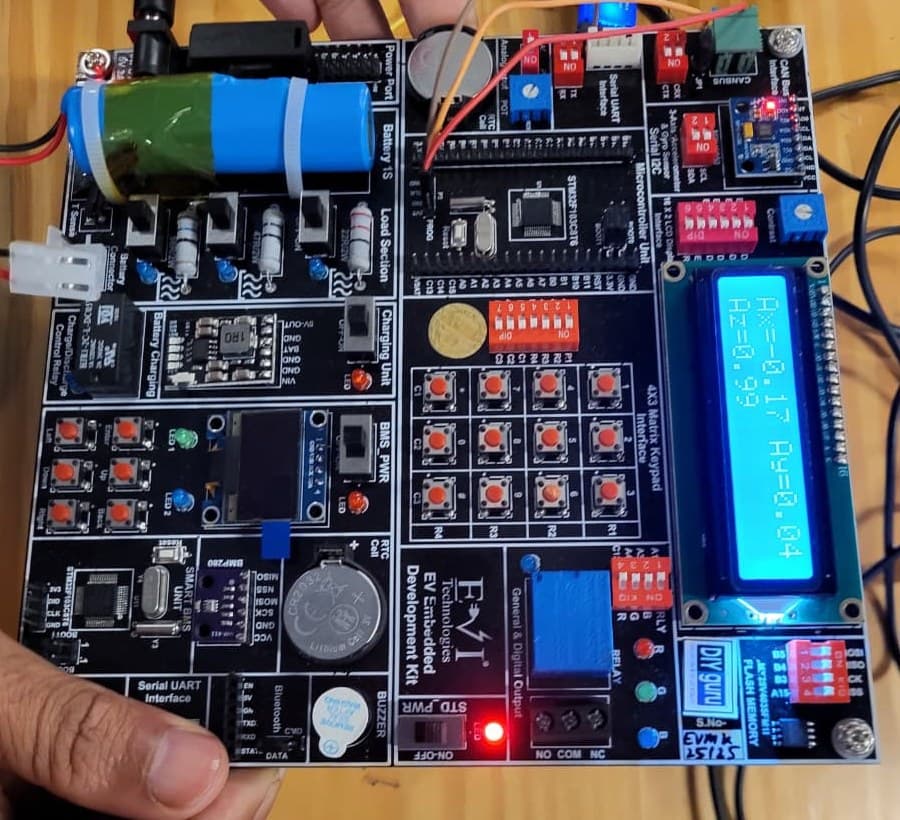
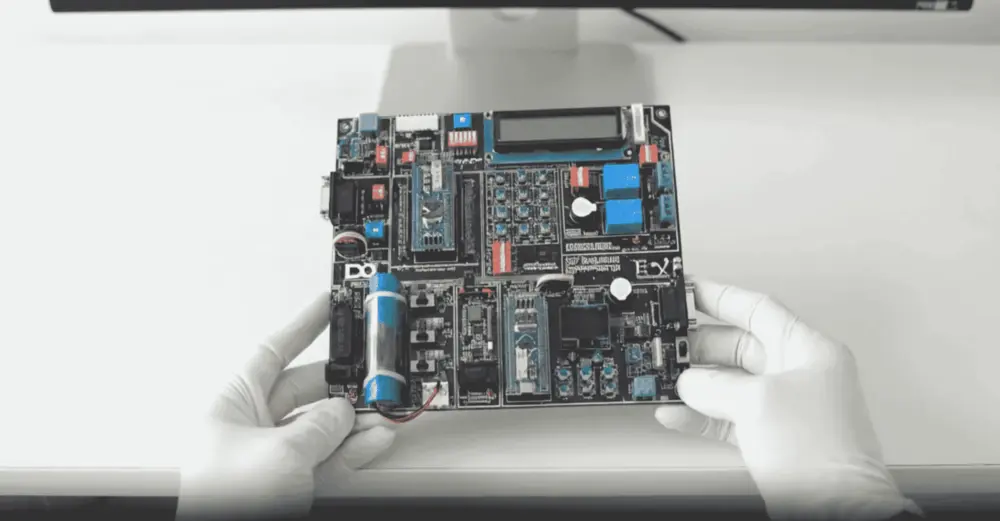
EV Embedded Development Kit board

Practise on real hardware

EV Embedded Development Kit

  • STM32 controller and Smart BMS unit
  • CAN, UART, I2C, SPI and Bluetooth
  • Sensors, LCD, OLED and motor control
  • 15+ guided experiments at home

₹10,000 + GST

See what's in the kit

Trainer Support

Stuck on a concept? Ask a trainer.

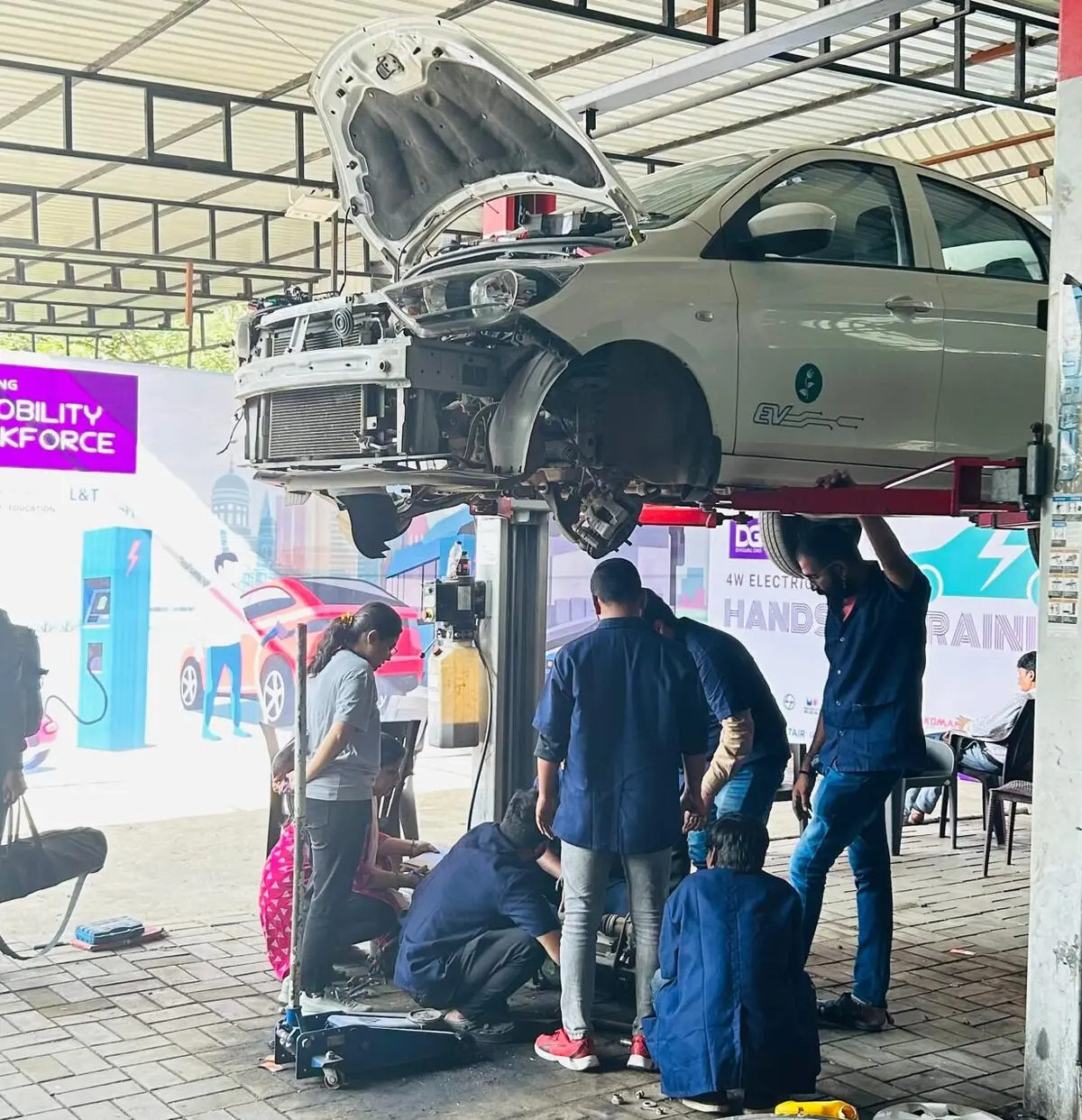
DIYguru trainer working with learners

Use the course Q&A to ask about any step, for example swing-arm pivot geometry or why a body panel will not mate, and a trainer will reply. Programme students also get scheduled live classes and doubt-clearing sessions.

  • Ask questions in the course Q&A, right next to the lesson
  • Trainers answer on the portal — you're notified when they reply
  • Assignments and projects you submit are reviewed by a trainer
  • Live doubt-clearing sessions when they're scheduled for the course

Bharat eMobility Recruitathon

Meet the EV industry in person

The Bharat eMobility Recruitathon brings our learners face to face with companies hiring across the EV industry. Watch the Delhi and Pune chapters.

Delhi chapterRecruitathon
Pune chapterRecruitathon

FAQ

Frequently asked questions

Who is this course for compared with the 2W & 4W course?
Choose this if you only need two-wheeler design. The 2W & 4W course has the same scooter modules plus extra four-wheeler chassis, suspension and powertrain modules.
Is it suitable for SOLIDWORKS beginners?
Yes, it is beginner level and starts with getting set up for 2W modelling, though basic CAD familiarity makes the pace easier.
What software do I need?
SOLIDWORKS. A student or trial licence works for the lessons.
How is the project assessed?
You complete a 2W design in SOLIDWORKS as the DIY project, submit it from the lesson in the course player, and a trainer reviews it.
Is it part of a programme?
Yes. It is also part of the Professional Certification Programme in EV Automotive Design & Simulation.
Will I get a certificate?
On completing all lessons and any required quizzes or assignments, you receive a digitally signed certificate that anyone can verify through its public verification link or QR code.
How is the course delivered?
As recorded video lessons on the portal that you watch at your own pace, with quizzes, assignments and a project where the course includes them. Your progress is saved lesson by lesson.
What if I get stuck?
Ask in the course's Q&A on the portal — a trainer answers there. Live doubt-clearing sessions are added when they are scheduled for the course.
What certificate will I get?
A digitally signed certificate of completion once you finish the lessons and the required quizzes and assignments. Each certificate has a public verification link and QR code anyone can check.

Talk to a counsellor

Questions about Certification Course in 2W EV Design & Modeling with SOLIDWORKS?

Leave your details — a counsellor will call you about the syllabus, fees, EMI and certificates.

Technical Expertise You Will Gain

Where Certification Course in 2W EV Design & Modeling with SOLIDWORKS can take you

The roles these skills are used in, what you'll be able to do, and the parts of the industry that need it.

Key Job Roles

  • →CAD design engineer – two-wheelers
  • →Junior product designer – electric scooters
  • →Design trainee – 2W chassis and body
  • →CAD technician
  • →Prototype design associate (EV start-up)

Skill Sets

  • →Model a scooter frame, swing arm and suspension parts in SOLIDWORKS
  • →Create wheel, tyre, disc and drum brake models and assemble them
  • →Design housings for a hub motor, motor controller, battery pack and DC-DC converter
  • →Model body panels, fenders, seat and lighting parts
  • →Build a complete 2W assembly with correct mates

Where These Skills Are Used

  • →Electric two-wheeler OEMs
  • →EV start-ups and prototyping shops
  • →2W component suppliers
  • →Engineering design services
  • →Student EV teams

Government-Certified · Industry-Endorsed · Learner-Approved

Globally recognised credentials

ASDC (Govt of India)

ASDC (Govt of India)

Automotive Skills Development Council — recognised by major OEMs worldwide.

AICTE NEAT

AICTE NEAT

National Educational Alliance for Technology — issued under AICTE's premium learning ecosystem.

Learner Stories

What our learners say

The hardware-first approach made all the difference. Came in from a generalist electronics background; the BMS and motor-drive modules gave me concrete vocabulary I could carry into Infineon interviews.

Souvik Hazra
Souvik Hazra
Senior Manager · Infineon Technologies

Industry-grade depth without the academic ivory tower. The MATLAB Simulink + capstone defence prepared me for exactly the kind of cross-functional EV problems we solve at Cummins.

Sharad Yeola
Sharad Yeola
Application Controls Lead · Cummins Inc.

Started with electronics, walked into a BMS role in Germany. The applied projects + mentor reviews are what carried me through — the certifications opened the door, the depth got me hired.

Jagatjit Barik
Jagatjit Barik
Sr. R&D Engineer (BMS xEV) · Mercedes-Benz

Ready to start Certification Course in 2W EV Design & Modeling with SOLIDWORKS?

Recorded lessons at your own pace · trainer doubt support · verifiable certificate on completion.


Accreditations

Programs Recognised by Govt. Bodies & Industries

ASDC
AICTE NEAT
SIMOPS Saudi
DSD Malaysia
UK Government
UACH
Tata Technologies
ADYPU
UDYOGA Karnataka
Ola Mobility Institute