

DIYguru PG Program in eMobility & Embedded Systems eMobility Academy
12 MONTHS PG WITH 100% PLACEMENT

IIT Jammu

Post Graduation in

EV & Embedded Technology

Learn from the World's #1 Hardware Enabled E-Mobility Upskilling Platform with 100% Placement Oriented PG Certificate Programme. Certified by i3C IIT Jammu in association with ASDC & AICTE, Ministry of Education, Govt. of India.

diyguru emobility academy uncategorized 12
DIYguru Nanodegree Partners 1 5
DIYguru Nanodegree Partners 2.png
IMG 6740 scaled 2 1
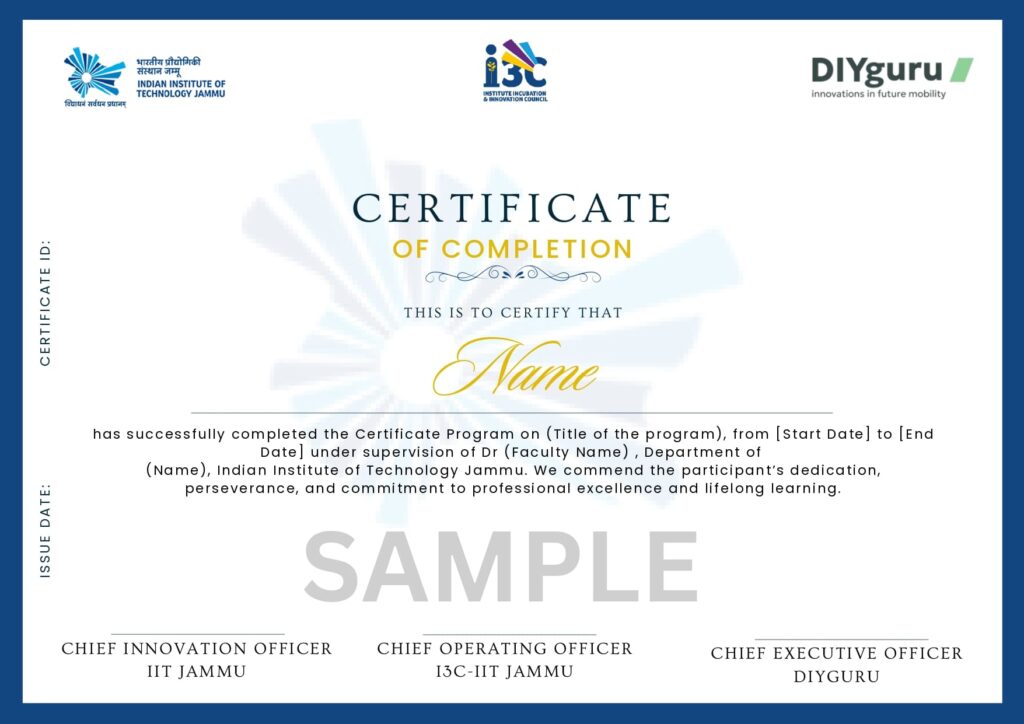
IIT Jammu Certificate
Flexible Deadlines
Hybrid Mode
Approx 12 Months

Embedded DIY KITs
delivered at doorstep

TRUSTED BY MILLIONS OF DEVELOPERS & THOUSANDS OF ENTERPRISE TEAMS
42
44
43
45
25

World's Top Ranked Indian Institute of Technology

IIT Jammu 1
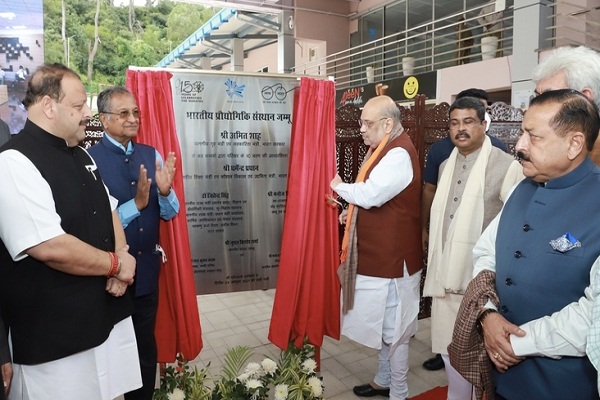
Amit Shah inaugurated IIT Jammu campus 1

Programs Recognised by
Govt. Bodies & Industries

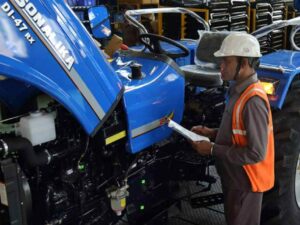
DIYguru is recognized and endorsed by major educational and governmental organizations including the Ministry of Education, NITI Aayog, and NEAT AICTE for its commitment to upskilling in automotive and EV technologies. The institute also collaborates with industry leaders like TATA Technologies and the Ola Mobility Institute to ensure the relevance and practicality of its training programs.

6
7
Logos New Website
9
10
22
21
18
11
13
24
20

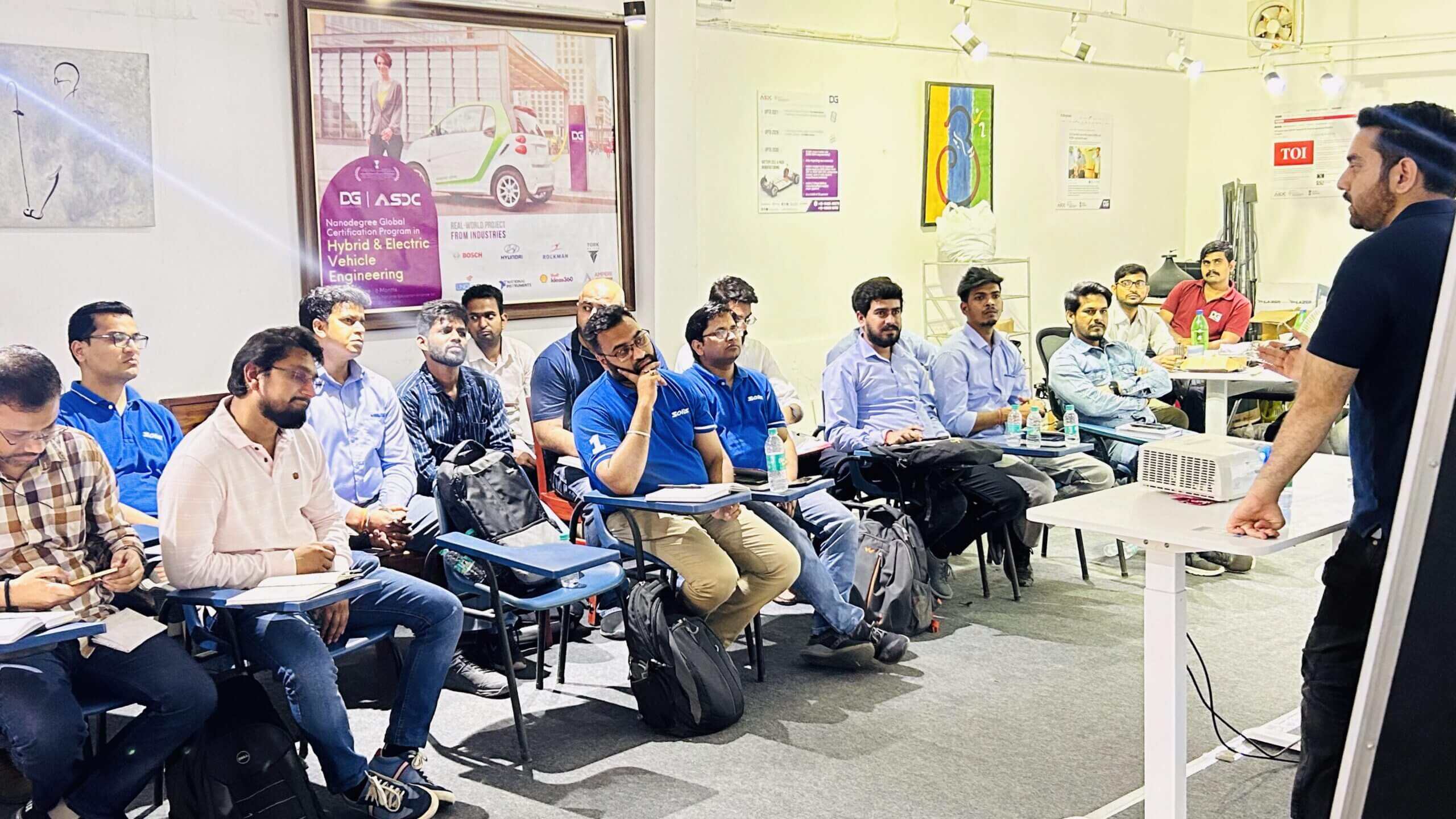
Experience deep, immersive learning with DIYguru's expert instructors, who bring physical components from our state-of-the-art E-Mobility Labs directly to your screen.

Learn interactively as they break down every detail, making complex EV concepts easy to understand and apply.

We’ve got you covered throughout your
EV learning journey

From fundamentals to full-stack Electric Vehicle engineering — DIYguru ensures every learner gains practical exposure, project validation, and placement guidance through hands-on industry integration.

4 W EV Workshop DIYguru Delhi e1759216623932
40 Hrs. of Hands on Training on High Voltage EV Safety Protocols

Gain deep practical understanding of EV safety, insulation testing, battery hazards, PPE use, and live HV systems. Master the safety standards followed across global EV manufacturing and service centers.

WhatsApp Image 2024 09 14 at 20.32.11 scaled 1 e1759216577935
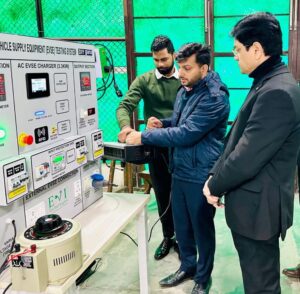
50+ Hardware Lab experiments on Test Rigs developed with IIT Delhi

Work on real hardware test rigs developed in collaboration with IIT Delhi, covering BMS design, CAN communication, inverter control, and motor testing. Bridge simulation to validation through experiments.

1717068951582 1 e1759217002232
EV & Battery system data analysis for diagnostics and optimization

Learn how to capture, analyze, and interpret EV system data for diagnostics and optimization. Experience end-to-end workflows in telemetry, signal monitoring, and predictive maintenance.

Flexible learning designed for every career stage

Whether you’re an engineering student, working professional, or upskilling for EV roles — DIYguru’s modular PG Program adapts to your pace, allowing you to learn, build, and get placed without disrupting your job.

WhatsApp Image 2025 09 27 at 2.02.22 PM 1
Dedicated mentors & placement support backed by emobility.careers

Get continuous 1:1 mentor support, live Q&A sessions, and dedicated placement guidance. Our support team and industry mentors help you clear technical challenges and secure career outcomes with top EV companies.

Edit Home Eight with Elementor 12 14 2025 09 51 AM
Rated 4.9/5 - with inputs and feedback from Industry

Syllabus shaped with Industries

The curriculum help you solve today’s biggest challenges in eMobility with Industries.

Hyundai 1
3
4
5
1
1
1

Tools Covered

This PG Program offers a unified tools learning that fosters innovation while providing end-to-end product development.
5_prev_ui

MATLAB

Numeric computing for engineers

4_prev_ui

PROTEUS

Simulate circuits and microcontrollers

3_prev_ui

CORTEX

RM-based processor for embedded systems

2_prev_ui

QSS TOOLBOX

Simulates systems using quantization

1_prev_ui

SIMULINK

Graphical tool for system modeling

6_prev_ui

ANSYS

Engineering simulation for product design

7_prev_ui

SOLIDWORKS

3D CAD design and engineering software

8_prev_ui

AUTODESK

3D design for automotive styling

9_prev_ui

ALTAIR

Simulation-driven design and engineering tools

Why Learn with DIYguru

Hands-On. Industry-Led. Future-Ready.

DIYguru is the only EV upskilling platform offering hands-on hardware experience—BMS, powertrain, embedded systems—built in collaboration with industry leaders like Bosch, John Deere, and Hyundai to meet real job demands.

Copy of Executive PG Certification Program in Electric Vehicle and Embedded Systems Advanced Engineering for PG certification 12 month A4 09 08 2025 05 52 PM 1

Enhance Your Career With India's First Hardware Enabled Electric Vehicle Programme

EV Lab Powered by 1

Experience the future of Electric Vehicle (EV) education with our Program in Electric Vehicle & Embedded Systems. This pioneering program is the first of its kind, meticulously designed by DIYLABS to provide an immersive, hands-on learning environment.

  • State-of-the-Art Equipment:

    • Engage in practical, real-world experiments with cutting-edge tools and equipment.
    • All hardware and tools have been expertly designed by Tadpole and EVI Technologies, innovative startups incubated at IIT Delhi.
  • Support and Collaboration:

    • Benefit from the robust support and insights provided by ev2030.org, ensuring you stay at the forefront of EV technology.
    • Gain from a network of industry leaders and pioneers throughout your educational journey.

Hardware Labs Access

Two-Wheeler Simulator & Test Bench

The 2 Wheeler Simulator & Testbench focuses on evaluating EV battery performance, including voltage, current, discharge profiles, and capacity testing under various load conditions. It also covers Battery Management System (BMS) testing and dynamic load analysis to optimize electric bike performance and safety.
LAB 1

Charging Station Simulator and Test Bench

The Charging Station Simulator and Test Bench covers experiments focusing on the efficiency, behavior, and safety features of EV charging systems. It includes the measurement of voltage, current, and power consumption during charging, and tests security features like RFID and OTP-based authentication. Key areas include energy efficiency analysis, protection unit testing, and charging behavior under different conditions
LAB 2

EV Retrofitment Solution

The EV Retrofitment Solution manual provides guidelines for converting internal combustion engine vehicles (ICE) to electric vehicles (EV). It includes tests for system functionality, battery management, performance optimization, and safety feature integration. The manual focuses on ensuring proper installation, verifying throttle, pedal assist, and battery management systems, and conducting performance tests under real-world conditions
LAB 3

Electronics & Embedded System Development KIT

The Electronics & Embedded Systems Development Kit is designed for hands-on learning with embedded systems and microcontrollers like Arduino and STM32. It covers key experiments like controlling LEDs, setting up Pulse Width Modulation (PWM) for dimming lights, serial communication, and sensor integration. Advanced projects include battery monitoring, motor control, and safety alert systems for electric vehicles​.
LAB 4

EV In-house manufacturing & Development KIT

The EV In-house Manufacturing & Development KIT provides all the essential tools and components for building and prototyping electric vehicles, supporting the entire development process from concept to production. It includes equipment for battery monitoring, motor control, system integration, and real-time data analysis, ensuring seamless development for EV projects​
LAB 5

Advanced Battery System KIT

The Advanced Battery System Kit is designed for developing, testing, and optimizing high-performance battery systems. It includes tools for monitoring battery health, managing thermal conditions, and ensuring efficient energy storage through load balancing circuits, thermal shutdown mechanisms, and Battery Management System (BMS) integration. This kit helps to extend battery lifespan and optimize charging cycles
LAB 6

Guided by integrity, trust, and client-centricity, our values drive everything we do.

1. Two Wheeler Hardware simulator & Testbench

Specialized training in two-wheeler EV sector equips engineers and students with skills in EV performance testing, battery management, motor load analysis and safety.

2. Charging station simulator and Testbench

Hardware training in EV charging technology prepares learners to design and maintain efficient, safe, and scalable EV charging infrastructure covering international standards, safety protocols, and energy management.

3. EV Retro-fitment solution

Offering skills for converting ICE vehicles to electric, meeting market needs and promoting sustainable transport. It covers technical expertise, safety, and compliance, leading to job and entrepreneurial opportunities.

4. EV Embedded System development KIT for advanced vehicle application

Stay up-to-date with industry trends, regulations, and best practices to offer informed advice to your clients.

5. EV In-house manufacturing & Development KIT

Build long-term relationships with your clients based on trust, open communication, and mutual respect.

6. EV 2-Wheeler Diagnostic KIT

Monitor progress, review strategies, and make adjustments as needed to help clients stay on track towards their financial goals.

7. Advanced Battery System KIT

Monitor progress, review strategies, and make adjustments as needed to help clients stay on track towards their financial goals.

World-class Industry Experts

Mentors & Industry Experts behind this Program

Our philosophy is simple — you get to have a team of diverse, passionate people who are willing to change the future of education in mobility industry and empowers you to do your best work.

Certifications by
Govt., Academia & Industry

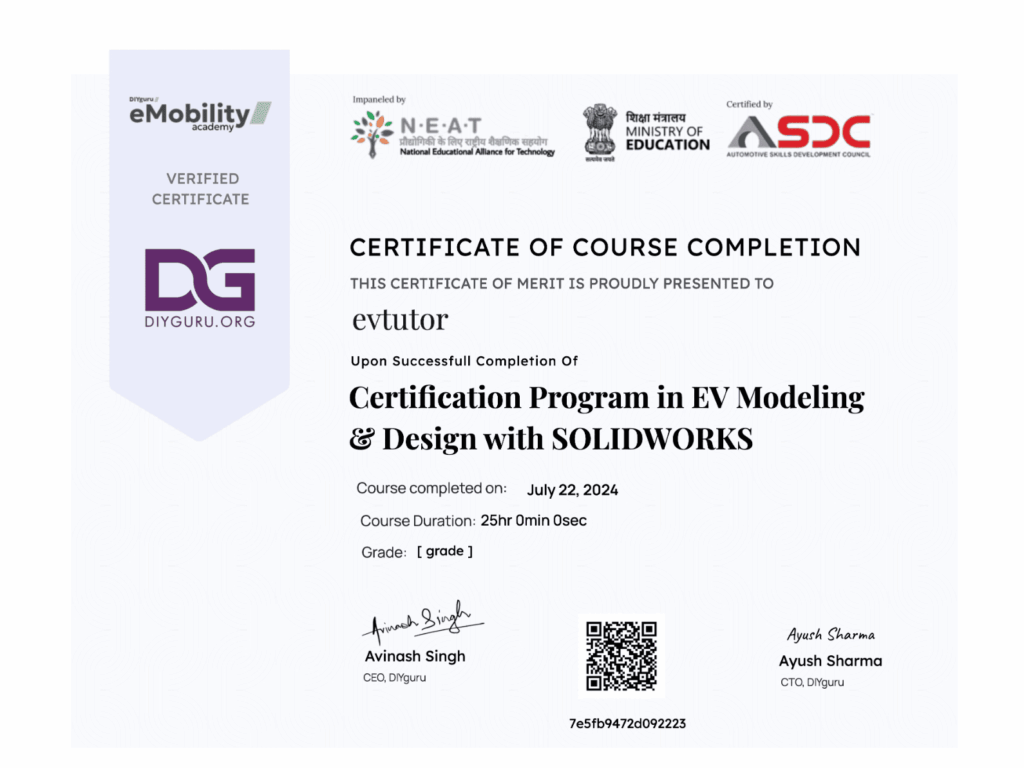
DIYguru certifications validate hands-on competence in Electric Vehicle technology and digital engineering. Each program blends project-based learning with industry standards, ensuring graduates demonstrate real-world skills aligned with OEMs and Tier-1 suppliers.

neat logo top
image 12
6
22
IIT Jammu X DIYguru Certificate page 0001 1
Screenshot 2024 10 09 at 2.44.38 PM 1
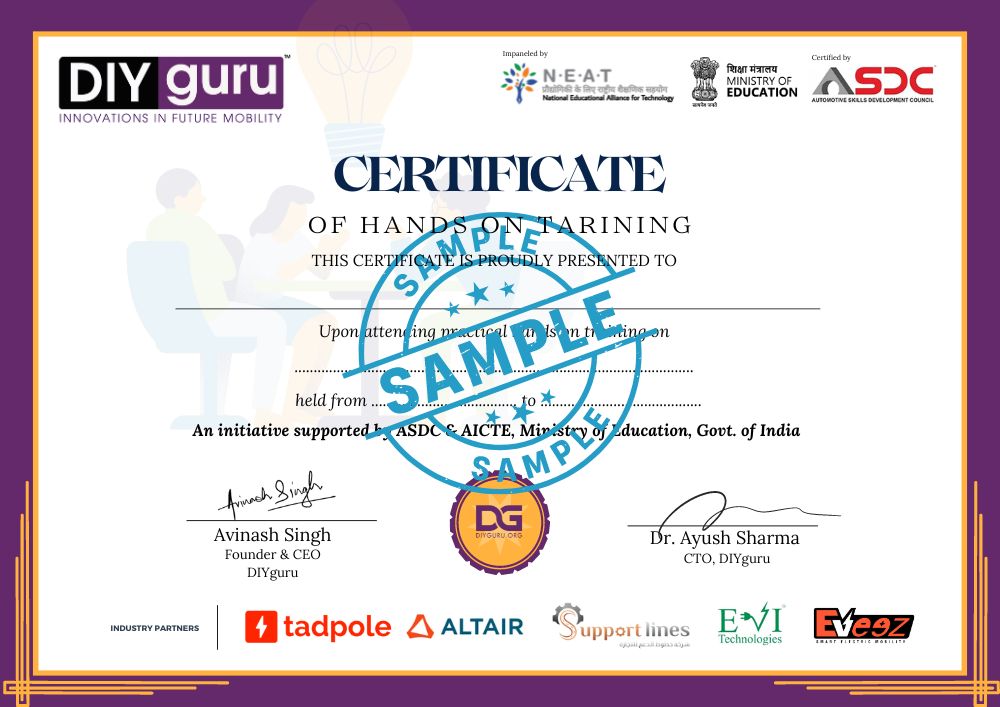
Hands on Certificate
Copy of Executive PG Certification Program in Electric Vehicle and Embedded Systems Advanced Engineering for PG certification 12 month A4 09 08 2025 05 42 PM 1
Your career guaranteed by emobility.careers

DIYguru’s exclusive placement engine — connecting graduates with top recruiters in the EV and e-mobility ecosystem, ensuring every learner moves from classroom to career with confidence.

Rated 5 Stars by over 1000+ Users
Screenshot 2025 12 14 at 10.19.55 AM 1 scaled

We’ve got you covered throughout your
EV learning journey

From fundamentals to full-stack Electric Vehicle engineering — DIYguru ensures every learner gains practical exposure, project validation, and placement guidance through hands-on industry integration.

Copy of Executive PG Certification Program in Electric Vehicle and Embedded Systems Advanced Engineering for PG certification 12 month A4 09 08 2025 06 03 PM 1
Rated 4.9/5 - with inputs and feedback from Industry

From Skills to Roles:
Where EV Talent Is Being Hired

Electric mobility is creating a new generation of engineering and technology roles that demand interdisciplinary skills. Our curriculum is designed by industry experts to align technical competencies with specific EV job roles, helping learners understand not just what to study, but where it leads in the EV industry.

Tata Motors, Mahindra & Mahindra, Maruti Suzuki,,Hyundai Motors India, Renault India, Hero Electric, Ashok Leyland, Ather Energy, Okinawa Autotech, Revolt Motors, Bajaj Auto.

Indian Oil Corporation, Bharat Petroleum Corporation Limited (BPCL), Hindustan Petroleum Corporation Limited (HPCL), National Thermal Power Corporation Limited (NTPC), Power Grid Corporation of India Limited (PGCIL), Tata Power, Sterlite Power.

Tata Power, EV Motors India, ABB India, Delta Electronics India, Magenta Power, Fortum India, ChargePoint India, Exicom Tele-Systems, Electrify India.

Delta Electronics India, Infineon Technologies India, ABB India, Bosch India, Texas Instruments India, NXP Semiconductors India, STMicroelectronics India.

Tata Technologies, Mahindra Engineering, Robert Bosch Engineering and Business Solutions, Continental Automotive Components India, AVL India, KPIT Technologies, Siemens Digital Industries Software, Altair Engineering.

Indian Institute of Technology (IIT) Delhi, Indian Institute of Technology (IIT) Madras, Indian Institute of Technology (IIT) Bombay, Indian Institute of Technology (IIT) Kanpur, Indian Institute of Technology (IIT) Kharagpur, Indian Institute of Science (IISc), Centre for Automotive Research and Tribology (CART), Automotive Research Association of India (ARAI), Society of Indian Automobile Manufacturers (SIAM).

Tata Technologies, Mahindra Electric Mobility, General Motors Technical Center India, Fiat Chrysler Automobiles (FCA) India Engineering Center, Ford Technology Services India, Renault Nissan Technology Business Centre India (RNTBCI)

Exide Industries, Amara Raja Batteries, Tata Chemicals, BHEL, JSW Energy, Reliance Industries Limited (RIL), TVS Motor Company, Lohum Cleantech

Tata Elxsi, HCL Technologies, Wipro Limited, Infosys Limited, Tech Mahindra, L&T Technology Services, Capgemini India

McKinsey & Company, KPMG India, PwC India, EY India, Deloitte India, Tata Consultancy Services (TCS), Wipro Limited, Capgemini India, Infosys Limited, Accenture India. Ola Electric, Yulu Bikes, Blu Smart Mobility, Mellowdynamics, Euler Motors, Simple Energy, Strom Motors, Grinntech Motors, Cell Propulsion, Gegadyne Energy Labs.

India’s E-Mobility Gold Rush
Your 2026 Guide to High-Paying Engineering Careers
The 2026 Market is Electric

140%

Projected Production Surge

Battery-powered passenger vehicles (YoY)

49%

Compound Annual Growth

Indian EV market CAGR (2022–2030)

5M+

New Direct Jobs

Projected by 2030

Top 5 High-Paying EV Careers for Experienced Professionals
Roles requiring 3–12+ years of experience command significantly higher compensation due to system-level ownership, safety accountability, and business impact.

Salary Showdown: Average Annual CTC (INR)

Autonomous Vehicle Software Engineer

₹10L – ₹22L+

Perception, ADAS, autonomy stacks for L2–L4 EVs.

AI / Deep Learning Computer Vision C++ / Python ROS

EV Software & Embedded Systems Engineer

₹9L – ₹20L

Powertrain control, BMS firmware, vehicle networks.

Embedded C/C++ CAN / LIN MATLAB AUTOSAR

Battery Technology / BMS Engineer

₹8L – ₹18L

Cell selection, pack design, safety & validation.

Battery Chemistry SOC / SOH Thermal Mgmt ISO 26262

EV Manufacturing & Production Manager

₹8L – ₹18L

Factory automation, yield, quality & throughput.

Lean Manufacturing Six Sigma Automation Operations

Power Electronics Engineer

₹7.5L – ₹16L

Inverters, DC-DC, onboard chargers, HV safety.

Power Devices Motor Control High Voltage SiC / GaN
How Salaries Grow With Experience in EV Roles
Indicative salary progression across core EV engineering roles in India.
0–2 Years (Entry)

₹3L – ₹8L

3–5 Years

₹8L – ₹12L

6–9 Years

₹12L – ₹18L

10–14+ Years

₹18L – ₹30L+

This infographic synthesizes insights from India’s E-Mobility Gold Rush (2025).
Crafted for engineers navigating the future of mobility in India.

Career Opportunities

  • Job Opportunities:

    This program provides fresh graduates and working professionals with advanced skills to thrive in the EV, renewable energy, and automotive sectors. Graduates can begin in roles involving battery systems, power electronics, and infrastructure, while professionals can lead in technical management, R&D, and specialized energy solutions, making a tangible impact on EV and energy industries.

  • Key Profiles:
    • Power Electronics Engineer: Fresh graduates gain foundational skills in power electronics applications for EVs, while experienced professionals lead in designing energy conversion systems, optimizing efficiency, and implementing innovative power solutions for EV technology.
    • Battery Management System (BMS) Engineer: Entry-level engineers handle battery monitoring and charge control, while professionals focus on BMS development, optimizing battery life, safety, and performance through innovative protection systems and battery diagnostics.
    • Charging Infrastructure Specialist:  Fresh graduates work on the setup and maintenance of EV charging solutions, while professionals specialize in designing fast-charging systems, managing grid integration, and expanding charging networks to support large-scale EV adoption.
    • Powertrain Engineer: Freshers gain insights into powertrain components, while professionals manage energy transfer systems, enhancing EV efficiency and handling electric drivetrains, energy storage, and motor optimization.
    • Electrical Systems Engineer (EV Focus): Entry-level roles support the integration of electrical systems, ensuring compatibility between EV components, while professionals lead in R&D for electrical architecture, reliability engineering, and multi-system integration.
    • Grid Integration Engineer: Graduates start with supporting grid interaction projects, while experienced engineers focus on the interface between EVs and renewable power sources, working on projects that align EV technology with smart grid initiatives for energy storage and distribution.
  • Job Opportunities:

    This program offers comprehensive training in vehicle design, structural analysis, and component integration, equipping both new graduates and professionals with skills relevant to EV manufacturing and prototyping. Freshers often begin in design support roles, while professionals work in product development, system optimization, and advanced structural analysis.

  • Key Profiles:
    • Vehicle Design Engineer: Fresh graduates focus on layout and design basics, while experienced engineers lead end-to-end vehicle design, balancing aesthetics, aerodynamics, and component placement.
    • Thermal Management Engineer: Entry-level roles assist in thermal systems, while professionals design advanced thermal management solutions for batteries, motors, and electronics, enhancing system efficiency and vehicle lifespan.
    • Product Development Engineer:  Graduates work on prototyping and testing, while professionals manage the product lifecycle, driving R&D, and coordinating teams to refine EV components and streamline production processes.
    • Structural Analysis Engineer (ANSYS Specialist): Fresh graduates support simulations, while professionals handle advanced analyses, optimizing material selection, vehicle durability, and performance under dynamic conditions.
    • Manufacturing Engineer: Entry-level engineers aid in EV assembly processes, while experienced professionals develop sustainable manufacturing strategies, optimizing assembly lines and quality control for mass production of EV components..
    • Safety and Compliance Engineer: New engineers support regulatory compliance testing, while seasoned professionals lead in designing safety protocols, ensuring EVs meet industry standards for crashworthiness, material safety, and environmental compliance..
  • Job Opportunities:

    With a foundation in control systems, embedded systems, and circuit design, this program positions both new graduates and experienced electronics engineers to excel in the EV and automotive electronics sectors. Graduates can enter junior design roles, while professionals can drive advancements in embedded systems, IoT, and automation for EVs.

  • Key Profiles:
    • Embedded Systems Engineer: Fresh graduates gain hands-on experience with microcontrollers and sensor integration for EV applications, while professionals develop advanced control algorithms, improving energy efficiency and vehicle functionality.
    • Motor Control Engineer: Entry-level engineers focus on motor fundamentals, while experienced professionals design complex control systems, enhancing motor performance, energy conservation, and reliability in EV applications.
    • AUTOSAR Engineer:  Fresh graduates learn standardized automotive software architecture, while experienced engineers ensure software interoperability, compliance, and modularity in large-scale EV projects.
    • Circuit Design Engineer: Freshers work on circuit fundamentals, while professionals create advanced circuits for motor drives, BMS, power converters, and control systems, ensuring reliability under high-stress EV conditions.
    • Telematics and IoT Specialist: New engineers work on foundational IoT for EVs, integrating basic telematics features, while professionals lead in data integration, vehicle connectivity, remote diagnostics, and advanced communication systems. .
    • Signal Processing Engineer: Fresh graduates support data acquisition and processing for EVs, while professionals work on sensor fusion, algorithm development, and real-time data analysis, enhancing system responsiveness and vehicle safety..
  • Job Opportunities:

    The program opens a wealth of opportunities in vehicle dynamics, system integration, and sustainable automotive technologies for both fresh graduates and working professionals. Graduates enter junior roles in system design and support, while professionals drive innovation in electric powertrains, hydrogen fuel cells, and automotive software development.

  • Key Profiles:
    • EV Systems Engineer: Fresh graduates start with system integration, ensuring component compatibility, while experienced professionals manage complex multi-system integration, troubleshooting, and vehicle-wide reliability.
    • Battery and Powertrain Engineer: Entry-level engineers learn the essentials of powertrain and battery systems, while seasoned professionals focus on energy optimization, designing EV systems for maximum range, and reducing overall vehicle weight.
    • Hydrogen Fuel Cell Specialist:  Fresh graduates assist in hydrogen system development, while professionals lead R&D in hybrid and fuel cell technologies, diversifying energy sources for electric vehicles.
    • Control Systems Engineer (MATLAB-SIMULINK Specialist): Graduates begin by implementing control theories in MATLAB, while professionals design advanced control algorithms, using simulations to improve energy efficiency and vehicle performance.
    • Advanced Driver Assistance Systems (ADAS) Engineer: Fresh graduates support the development of ADAS technology, while experienced engineers specialize in automation, designing and testing sensor-based safety and navigation systems for EVs. .
    • Chassis and Suspension Engineer: Entry-level roles involve assisting in suspension system design, while experienced engineers handle advanced dynamics, designing lightweight, energy-efficient systems that improve vehicle handling and stability. .
    • Vehicle Dynamics Specialist: Fresh graduates assist in testing vehicle dynamics, while professionals optimize driving comfort, stability, and safety, leveraging knowledge in mechanics, software, and embedded systems to enhance vehicle performance. .
DIYguru Placement Report 2025

What recruiters are saying

Shashi Kumar R

"DIYguru trained our teams at Bosch in 2019, right at the start of EV adoption in India, delivering far above our expectations. Since then, they have remained a trusted partner, supporting our employees with both LMS access and in-person training across EV domains."

Shashi Kumar R

Lead – Technical Competence Development, L & D Digitalization

unnamed 4 1 1 1 1
Sandeep Nair

"DIYguru graduates come with a hands-on understanding of EV systems, not just theoretical knowledge. They’re able to contribute from day one to our battery testing and pack assembly operations."

Sandeep Nair

Recruitment Lead

Priya Deshmukh

“The EV industry needs engineers who can think both technically and systemically — DIYguru graduates bring that balance. Their familiarity with powertrain integration and BMS testing has been a real asset.”

Priya Deshmukh

Learning & Development Manager

Anjali Mehra

“We’ve been consistently impressed by DIYguru-trained engineers. Their grasp on battery design, EV service, repair and diagnostics helps us accelerate product deployment and reduce production time.”

Anjali Mehra

Head of Talent Acquisition

Rajat Kapoor

“What stands out is DIYguru’s focus on simulation and hardware validation. The engineers we’ve hired adapt quickly to startup environments — confident with MATLAB, ANSYS, and embedded toolchains.”

Rajat Kapoor

HR Business Partner (Engineering)

Kavita Sharma

“DIYguru’s placement ecosystem delivers candidates who understand the complete EV lifecycle — from design and validation to service diagnostics. That readiness is what the industry truly needs right now.”

Kavita Sharma

HR Operations & Employee Relations Manager

Vikram Singh

“The engineers recruited from DIYguru demonstrate excellent command over EV design tools, motor controllers, and safety protocols. Their practical exposure sets them apart from regular graduates.”

Vikram Singh

Head HR

4.9/5.0
Rated 5 out of 5
5
(Based on 3265 ratings)

What our learners say

Hear from teachers, trainers, and leaders in the learning space about how DIYguru empowers them to provide quality online learning experiences.

4.9/5.0
Rated 5 out of 5
5
(Based on 3265 ratings)

Successfull Career Transitions

Hear from teachers, trainers, and leaders in the learning space about how DIYguru empowers them to provide quality online learning experiences.

The PG Program in Electric Vehicles and Embedded Systems equipped me with practical skills in MATLAB, Simulink, and fuel cell technologies. This foundation helped me start at Xero EV and ultimately secure my role as a Research Engineer at ICAT. The hands-on projects and real-world training at DIYguru prepared me to contribute to R&D projects in charging and fuel cell domains.

The DIYguru Post Graduate Program in Electric Vehicles gave me a strong foundation in EV design, embedded systems, and diagnostics. The hands-on workshops and mentorship boosted my confidence to work in the industry. With DIYguru’s guidance and placement support, I am proud to have secured an opportunity at Inverted — marking the start of my professional journey in electric mobility.

Joining the DIYguru Program in Electric Vehicles was one of the best decisions for my career. The course gave me a strong technical foundation in EV systems, along with the confidence to apply my learning in real-world projects. The guidance and placement support from DIYguru helped me land an opportunity at IX Energy, where I’m now contributing to innovative EV solutions. DIYguru truly shaped my path into the e-mobility industry.

DIYguru truly transformed my career in just six months. Before enrolling, I was looking for a program that didn’t just focus on theory, but actually built industry-relevant, practical skills. The EV & Embedded Systems Nano Degree delivered exactly that and more. Thanks to the continuous support provided by DIYguru, I was able to secure a prestigious position at Sandip University.

Still have questions?

Can’t find the answer you’re looking for?
Please chat to our friendly team.

30 1
32 e1759217331915
29
Why DIYguru EV Programs Stand Out
A modern, feature-rich learning path — benchmarked against generic e-learning providers.
Partner-verified curriculum ASDC • NEAT • IIT • TATA eMobility.careers placement support Multi-location EV labs
Feature / USP DIYguru Other Platforms
Industry-aligned curriculum Partner-backed
Designed with real EV workforce upskilling at Hyundai, Bosch, L&T, Daimler, Sonalika, John Deere & Eaton. (See Case Studies section)
Verified with partners Varies; often generic
Hands-on labs & workshops with 3 Weeks access to 4-Wheeler Hardware & Diagnostic Labs (ev.care)
Access available in Delhi • Pune • Malaysia • Saudi Arabia • Germany.
Real hardware rigs Limited simulators
Placement engine & employer network with access to eMobility.careers dedicated job portal
Portfolio, interview prep, role mapping, referrals with exclusive, EV-focused listings with role-skill mapping and recruiter access.
EV-specific portal Generic boards
Option to choose from Government & industry certification pathways
ASDC (Govt. of India) • NEAT AICTE (Ministry of Education) • IIT (Jammu/Guwahati) • TATA Technologies.
Multiple pathways Limited/none
Hybrid learning (Live + Self-paced + Hands on + Mentor hours from IITs & TATA Technologies) Structured pathway Video-only often
Certification tracks (M.Tech. > PG > Nano > Micro-credentials) Multiple levels Single level
Employer-ready portfolio, english communication classes & viva prep
Templates, rubrics, code review, mock interviews day.
Included Occasional
Embedded kit delivery to your doorstep with Capstone on real EV datasets
20+ guided experiments on batteries, chargers, sensing, and control.
20+ experiments included Limited kits
Corporate collaboration & real tools exposure through Mentor feedback loops & doubt clearing session with instant support through whatsapp groups one to one Community only
Support for working professionals (weekend cohorts, bridge modules)with outcome mapping: role-based skill tracks (BMS, Motor, EVSE, Thermal, Data) Structured Irregular
Ethics, safety & compliance embedded (ISO 26262, HV safety, AIS/BIS awareness) Integrated Minimal
Transparent skill diagnostics & KPIs with outcomes (projects → roles → salaries) Mapped Rare

Note: “Other Platforms” is a generalized comparison. Actual availability may differ per provider.

Need to Know

Frequently Asked Questions.

Lorem ipsum dolor sit amet, consectetur adipiscing elit. In mattis non accumsan in, tempor dictum neque.

The DIYguru EV PG Program is a 1-year industry-integrated certification course designed to build expertise in EV design, battery technology, embedded systems, and powertrain engineering. It blends theory, simulation, and real hardware projects, co-developed with IIT Jammu, IIT Guwahati and Tata Technologies.

The program is open to: Engineering graduates in Mechanical, Electrical, Electronics, Mechatronics, or Automobile Engineering. Working professionals in automotive, manufacturing, or energy sectors seeking upskilling. Final-year students pursuing engineering or applied sciences. Diploma holders with relevant experience may also apply for lateral entry.

Learners receive a Joint Certification from DIYguru, NEAT AICTE & ASDC validating hands-on expertise in EV systems and digital engineering. The certificate is verifiable online and widely recognized by OEMs and Tier-1 suppliers.

The program runs for 12 months, divided into: 8 months of core technical training (simulation, modeling, hardware, embedded systems) 2 months of specialization & capstone projects 2 months of placement preparation, mock interviews & certification assessments

You will master key EV domains such as: EV architecture and powertrain systems Battery pack design, BMS, and thermal management Embedded system programming (STM32, ARM Cortex, AUTOSAR) Simulation using MATLAB, ANSYS, SolidWorks, LTSpice, and Vector Tools Charging systems and high-voltage safety protocols

Yes. DIYguru provides access to virtual and physical labs where students work on EV subsystems, BMS kits, motor controllers, and sensor-integrated circuits. You’ll also participate in hardware prototyping and real-time simulation exercises during the course.

Yes. DIYguru’s Career Support Cell provides: Resume and portfolio building Technical mock interviews Employer mapping and referrals to partner companies Access to exclusive placement drives with OEMs and startups in the EV sector

Graduates are placed in roles such as: EV Design Engineer / Battery Engineer Powertrain Simulation Engineer / BMS Developer Embedded Systems Engineer / Validation Engineer Charging Infrastructure Specialist EV Retrofit or Service Entrepreneur

  •  

Yes. The program is offered in a hybrid mode — with online learning via the DIYguru LMS and optional weekend lab sessions at partner centers. Flexible scheduling allows professionals to learn without leaving their jobs.

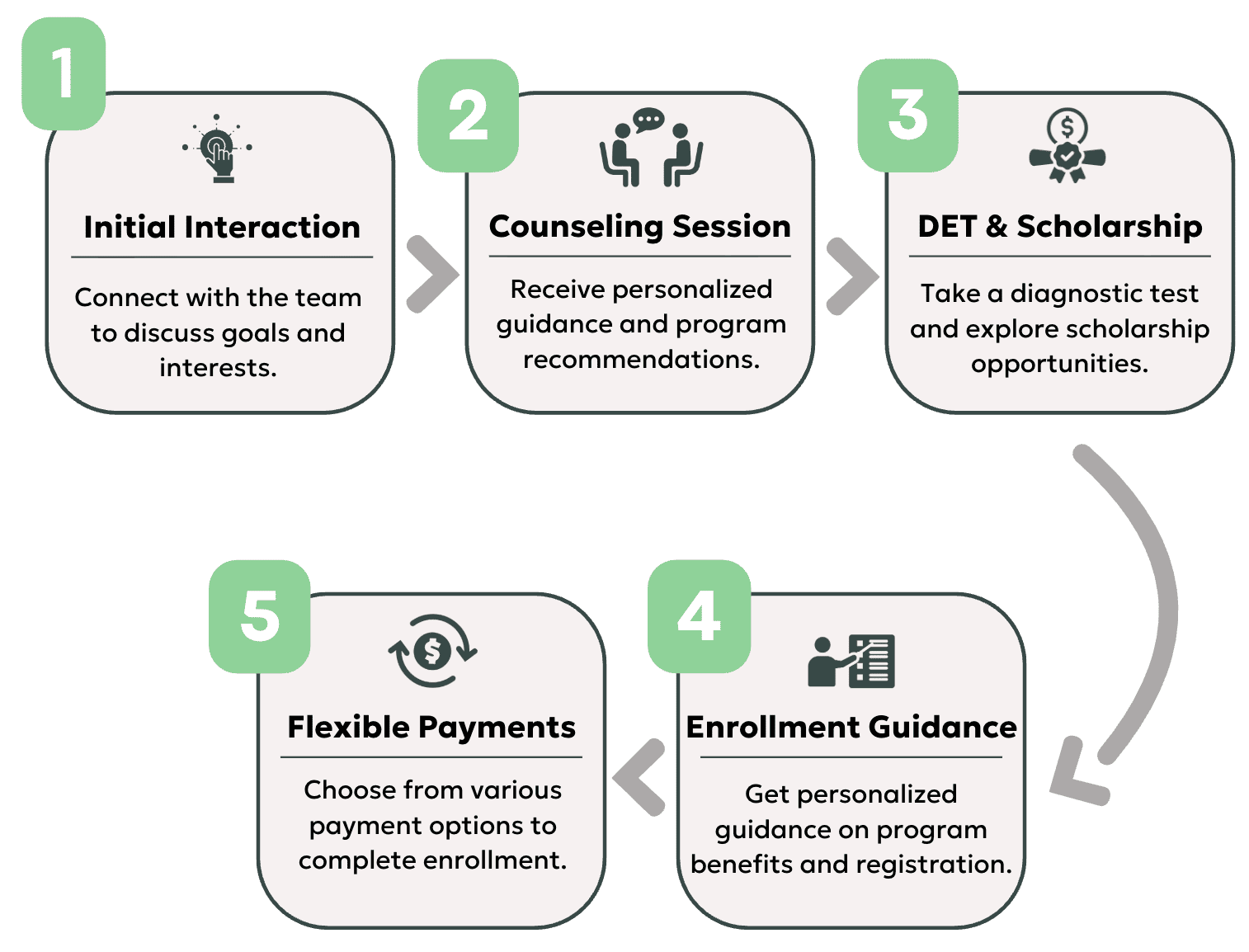
Get started

Schedule your personalized consultation today

DIyguru Image 1

Your

journey

starts

here.

Ready to Begin? Drop your info, and we’ll help you get there!

DIYguru is India’s leading AICTE-approved platform, equipping engineers, graduates, and professionals with the future-ready skills needed in Electric Vehicles (EVs), Battery Technology, Solar Energy, Green Hydrogen, and Clean Mobility.

Whether you’re starting out or shifting your career toward sustainability — your journey begins here.

 Why Choose DIYguru?

  • AICTE-Approved Certifications
  • Industry-Curated Courses (EV, Battery Design, Solar, Embedded Systems, BMS, MATLAB & more)
  • Project-Based Learning using real case studies from Tesla, Tata Motors, Ather, and others
  • Global Opportunities – Connect with 300+ hiring partners and international universities
  • Work on Real-World Tools like MATLAB, SolidWorks, Python, Simulink, Ansys

Learn Skills That Matter

“We don’t just teach software. We teach you how to solve global problems.”
OR REACH US AT:

innovating mobility, creating futures.

DIYguru represents a dynamic and integral part of the e-mobility ecosystem, offering a comprehensive suite of services that encompasses R&D, training, hiring, and consulting.

The trusted emobility education, research & consulting firm providing expert guidance and personalized solutions to help clients unlock their full mobility potential.

DIYguru Nanodegree Partners 1 1 e1727579991565
DIYguru Nanodegree Partners 2 1 e1727580025199

© 2025 DIYguru Future Mobility Pvt. Ltd.

DIYguru is the world’s largest* (*KPMG – UK Govt. Future Mobility Skilling Report – 2023) future mobility upskilling platform in terms of industry collaboration and standarised programmes with global certifications and accreditions . DIYguru is committed to teaching the skills of the future mobility by making high-quality education accessible and affordable to individuals, companies, and governments around the world solving green workforce requirements for sustainable growth and development of industries. It does this by collaborating with more than 80+ R&D universities and Industries across India, Southeast Asia, Middle East, Africa & Latin America. DIYguru’ certification courses, degree programs, professional certificates, and senior executive programs help individuals learn new mobility skills and transform their lives, companies and organizations.

DIYGURU MOBILITY PVT. LTD.  |  CIN: U35999DL2021PTC390357  |  DIPP164561  |  GSTIN: 07AAICD9181A1ZP

DIYguru is an Equal Opportunity Employer. All qualified applicants will receive consideration for employment without regard to race, color, age, religion, gender, sexual orientation, gender identity or expression, national origin, disability, or any other characteristic protected under applicable laws in India. We are committed to fair and equitable hiring practices, and individuals with criminal histories will be considered in accordance with relevant local laws and regulations. In compliance with applicable transparency and disclosure regulations in India, we ensure that our employment practices uphold the highest standards of fairness and inclusivity. DIYguru is the global leader in Electric Vehicle (EV) training and certification, offering programs in battery technology, BMS, powertrain, charging systems, and sustainable mobility. Our courses are designed for students, engineers, and professionals aiming to upskill in EV design, manufacturing, service, and R&D.

Call Now WhatsApp
DIYguru

Let's Connect

Training programs · B2B partnerships · College workshops

🎓
Certification
Programs
🏢
B2B Corporate
Training
🏫
College
Workshops
🤝
Partnership &
Collaboration
Your data is secure · No spam · Expert callback within 2 hours