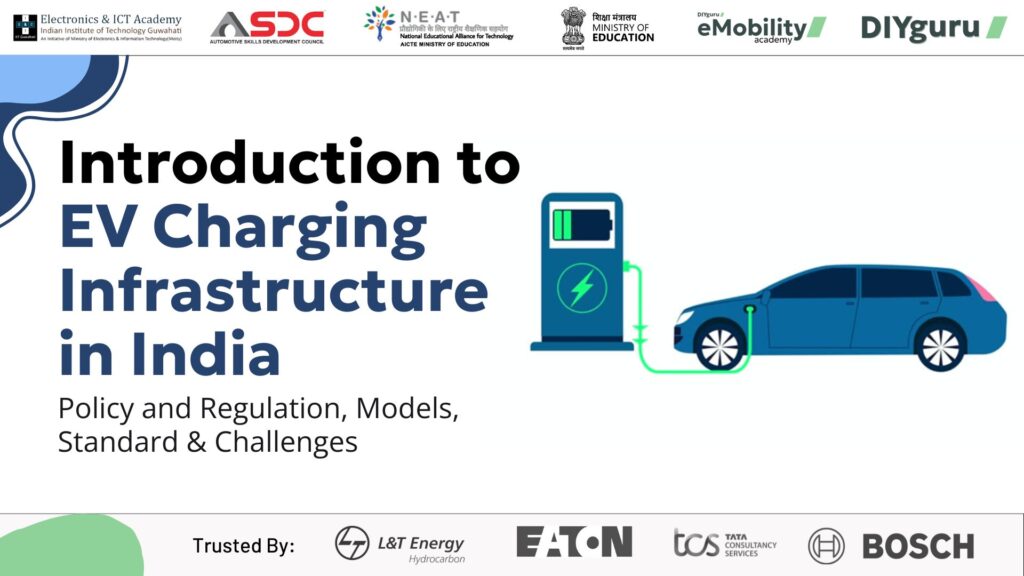
The global shift towards sustainable transportation has propelled electric vehicles (EVs) to the forefront of automotive innovation. Central to this transition is the development of robust EV charging infrastructure, which ensures the seamless operation and widespread adoption of electric mobility. This article delves into the multifaceted aspects of electric vehicle charging infrastructure, emphasizing its significance, current landscape, and future prospects, with a particular focus on India.
Government Policies and Regulations
Government policies play a pivotal role in shaping the EV ecosystem. In India, the government has implemented several initiatives to promote EV adoption and develop the necessary charging infrastructure.
National Electric Mobility Mission Plan (NEMMP) 2020
Launched in 2012, the NEMMP aims to achieve national fuel security by promoting hybrid and electric vehicles. The plan envisions a significant increase in the number of EVs on Indian roads, targeting 6-7 million sales of hybrid and electric vehicles by 2020. Although the target year has passed, the mission laid the foundation for subsequent policies and initiatives.
Faster Adoption and Manufacturing of Hybrid and Electric Vehicles (FAME) Scheme
The FAME scheme is a part of the NEMMP and was implemented in two phases:
- FAME I (2015-2019): Focused on demand creation through subsidies for EVs and supporting infrastructure development. Approximately 371,000 EVs were supported with total incentives of around ₹634 crore (~USD 79.6 million) as of July 2021, and 427 charging stations were installed under this phase.
- FAME II (2019- 2024): Emphasizes the electrification of public transportation and the development of charging infrastructure. Under FAME II, ₹1,000 crore (~USD 125.6 million) was allocated for the development of charging infrastructure in the country. FAME II Scheme has been phased out & now replaced with PM E-Drive Scheme.

- PM Electric Drive Revolution in Innovative Vehicle Enhancement (PM E-DRIVE) Scheme (Oct, 2024 – Mar, 2026): In October, 2024, Government of India approved the “PM E-Drive Scheme”, effectively replacing the older “FAME” scheme and it will remain in force until March 31, 2026. Its primary aim is to accelerate the adoption of electric vehicles (EVs), establish charging infrastructure, and build a robust EV manufacturing ecosystem in the country. PM E-Drive is the current primary scheme for EV incentives in India. The PM E-DRIVE scheme is proposed to be implemented through Subsidies, and grants for creation of capital assets. e-2W, e-3W, e-ambulances, e-trucks and other new emerging EV categories will be eligible for support.

State-Level Initiatives
Several Indian states have introduced their own EV policies, offering incentives such as tax exemptions, subsidies, and support for charging infrastructure development. For instance, Delhi’s EV policy provides subsidies for the purchase of EVs and aims to establish a robust charging network across the city.
Assessing Demand and Setting Targets for EV Charging
Accurately assessing the demand for electric vehicle charging infrastructure is crucial for effective planning and resource allocation.
Estimating EV Growth
India’s EV market is expected to reach $48.6 billion by 2030. This anticipated growth necessitates a proportional expansion in charging infrastructure to support the increasing number of EVs.
Setting Infrastructure Targets
To meet the projected demand, India will require approximately 1.32 million charging stations by 2030, necessitating the installation of around 400,000 chargers annually. citeturn0search2 Setting such ambitious targets underscores the need for coordinated efforts between government agencies, private enterprises, and other stakeholders.
Location Planning and Land Allocation for Charging Stations
Strategic location planning and efficient land allocation are vital for the accessibility and convenience of EV charging stations.
Urban Planning Integration
Integrating charging infrastructure into urban planning ensures that stations are conveniently located in residential areas, commercial centers, and along major transportation routes. This approach enhances user convenience and encourages EV adoption.
Public-Private Partnerships
Collaborations between government bodies and private entities can facilitate the identification and allocation of suitable land for charging stations. Such partnerships can expedite the deployment of infrastructure and optimize resource utilization.
Connecting EV Charging Infrastructure to the Electricity Grid
Seamless integration of charging stations with the electricity grid is essential for reliable and efficient operation.
Role of Distribution Companies (DISCOMs)
DISCOMs play a critical role in providing the necessary electrical connections and ensuring the grid can handle the additional load from EV charging stations. Collaboration between DISCOMs and charging station operators is essential for grid stability.
Regulatory Framework
A clear regulatory framework governing the connection of charging stations to the grid ensures standardized procedures and promotes the efficient deployment of infrastructure.
Models of EV Charging Implementation
Various models have emerged for the implementation and operation of EV charging infrastructure.
Public Charging Stations

These stations are accessible to all EV users and are typically located in public areas such as parking lots, shopping centers, and along highways. They are crucial for reducing range anxiety and supporting long-distance travel.
Here’s a summary of the number of operational public EV charging stations across India as of 02.02.2024:
- Andaman & Nicobar: 3 stations
- Andhra Pradesh: 327 stations
- Arunachal Pradesh: 9 stations
- Assam: 86 stations
- Bihar: 124 stations
- Chandigarh: 12 stations
- Chhattisgarh: 149 stations
- D&D and DNH: 1 station
- Delhi: 1,886 stations
- Goa: 113 stations
- Gujarat: 476 stations
- Haryana: 377 stations
- Himachal Pradesh: 44 stations
- Jammu & Kashmir: 47 stations
- Jharkhand: 135 stations
- Karnataka: 1,041 stations
- Kerala: 852 stations
- Lakshadweep: 1 station
- Madhya Pradesh: 341 stations
- Maharashtra: 3,079 stations
- Manipur: 17 stations
- Meghalaya: 21 stations
- Nagaland: 6 stations
- Odisha: 198 stations
- Pondicherry: 23 stations
- Punjab: 158 stations
- Rajasthan: 500 stations
- Sikkim: 2 stations
- Tamil Nadu: 643 stations
- Telangana: 481 stations
- Tripura: 18 stations
- Uttar Pradesh: 582 stations
- Uttarakhand: 76 stations
- West Bengal: 318 stations
As of Dec, 2024, 25,202 public charging EV stations have been installed across the country. Karnataka leads with 5,765 EV public charging stations, followed by Maharashtra at 3,728 and Uttar Pradesh at 1,989.
Private Charging Stations

Installed at private residences or workplaces, these stations offer convenience for users who can charge their vehicles during non-use periods. Incentivizing private charging can alleviate pressure on public infrastructure.
Battery Swapping Stations

An alternative model involves swapping depleted batteries with fully charged ones. Companies like SUN Mobility have pioneered battery-swapping technology in India, offering Battery-as-a-Service (BaaS) solutions that address concerns related to charging time and battery degradation.
Technology and Interoperability Standards

Standardization is key to ensuring compatibility and fostering consumer confidence in EV charging infrastructure.
Charging Standards
India has adopted global standards such as the IEC 62196 Type 2 connector for AC charging and CCS Combo 2 for DC fast charging. These standards facilitate interoperability between different EV models and charging stations.
Smart Charging Solutions
The integration of smart technologies enables features like load management, remote monitoring, and user authentication, enhancing the efficiency and user-friendliness of charging stations.
Challenges and Opportunities for Scaling Up EV Charging in India
While significant progress has been made, several challenges persist in scaling up EV charging infrastructure in India.
Challenges
- High Capital Expenditure: Establishing charging stations requires substantial investment in equipment, installation, and maintenance.
- Grid Capacity Constraints: The existing electrical grid may require upgrades to handle the increased load from widespread EV charging.
- Consumer Awareness: Limited awareness about the availability and benefits of EV charging infrastructure can hinder adoption.
Opportunities
- Technological Innovations: Advancements in charging technologies, such as ultra-fast chargers and wireless charging, can enhance user experience and efficiency.
- Policy Support: Continued government incentives and supportive policies can attract private investment and accelerate infrastructure development.
- Renewable Energy Integration: Utilizing renewable energy sources for EV charging can reduce the carbon footprint and promote sustainable practices.
Conclusion
The development of EV charging infrastructure is a cornerstone in the transition to sustainable transportation. Through supportive government policies, strategic planning, technological innovation, and collaborative efforts, India is poised to build a robust and accessible charging network that will drive the widespread adoption of electric vehicles.