The Critical Role of EV Homologation
As the electric vehicle (EV) industry gains momentum, ensuring the safety, performance,...
As the electric vehicle (EV) industry gains momentum, ensuring the safety, performance,...
In the fast-evolving electric vehicle (EV) industry, ensuring safety, reliability, and performance...
Laws are comprehensive and leave little room for interpretation. They serve as the foundation upon which regulations are built. In the context of electric vehicles, these laws provide the overarching framework that mandates adherence to certain standards in design, development, and operation.
Laws are comprehensive and leave little room for interpretation. They serve as the foundation upon which regulations are built. In the context of electric vehicles, these laws provide the overarching framework that mandates adherence to certain standards in design, development, and operation.
we delve into an essential aspect of the homologation process: understanding the various vehicle categories that shape regulatory compliance. A good grasp of these categories is crucial as the homologation criteria vary depending on the type of vehicle.
The EV Testing Procedure evaluates various vehicle subsystems to guarantee compliance with safety and environmental standards, which drives trust and adoption in the electric vehicle market.
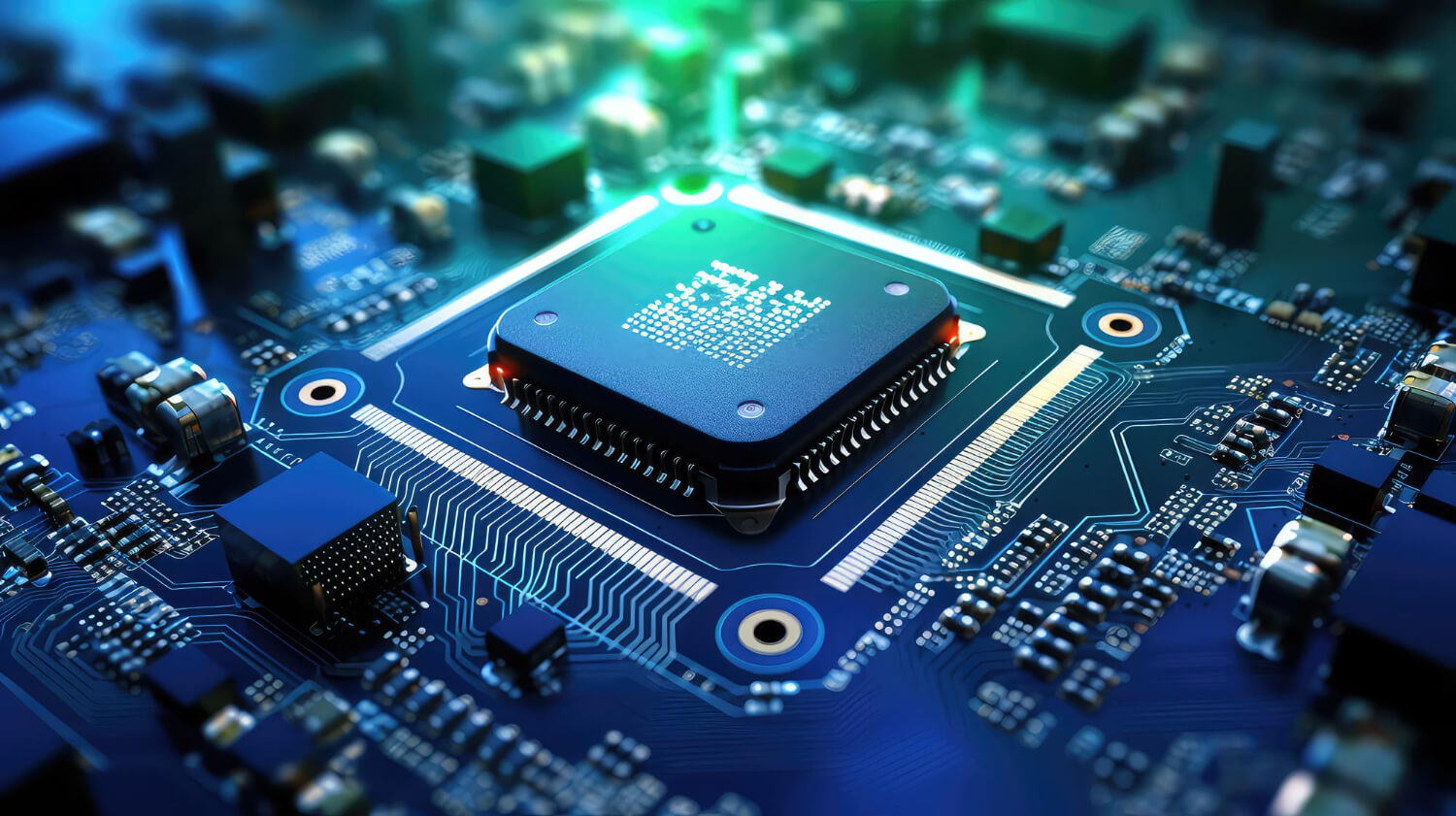
Over the past several decades, we have seen chips and semiconductors rise to become a major industry. Semiconductor chips are the heart and brain of almost every electronic gadget you use. Think about your everyday gadgets: smartphones, laptops, washing machines, gaming consoles, LED bulbs, microwaves, digital cameras, refrigerators, and so on.
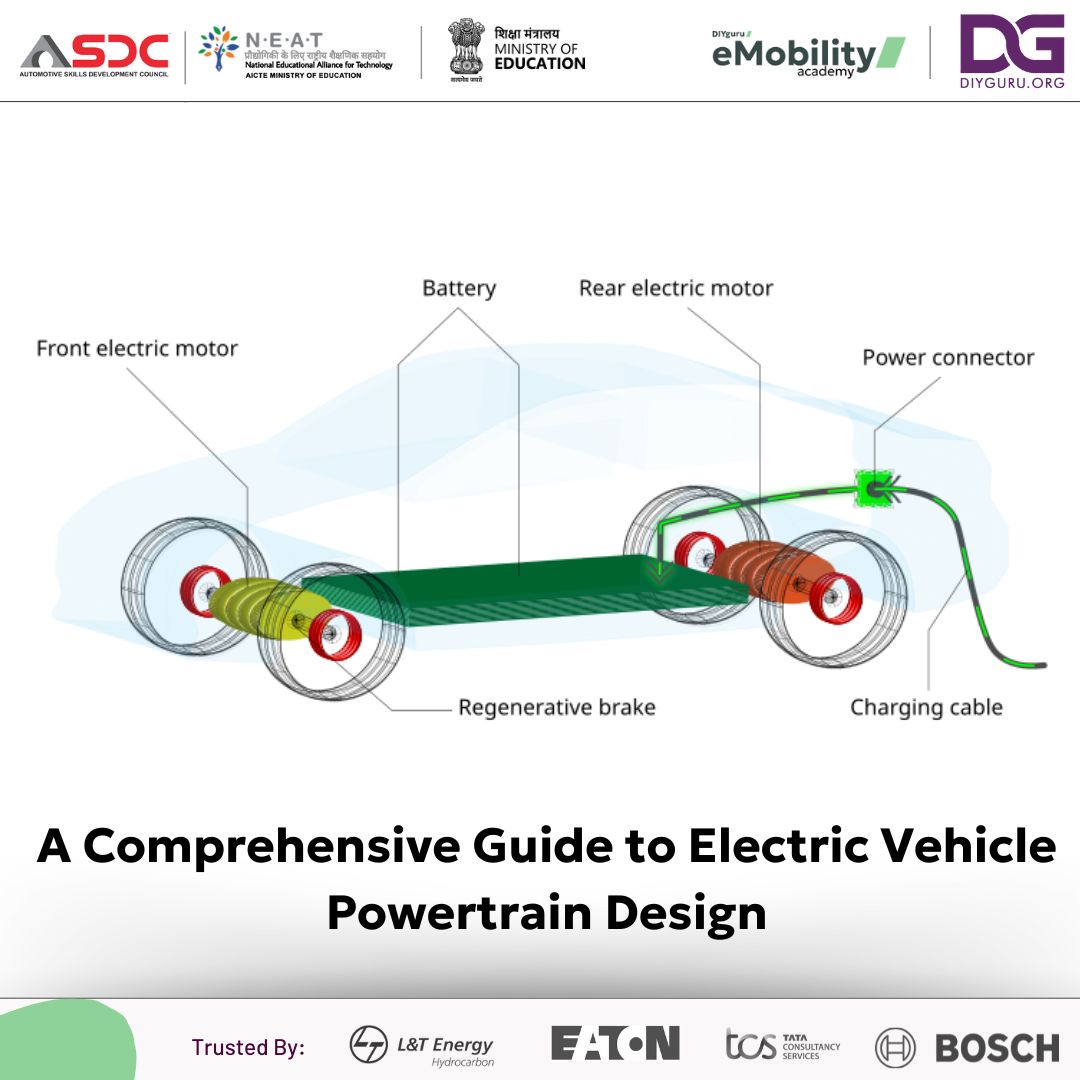
The powertrain architecture serves as the core of the EV, determining its performance, efficiency, and overall driving experience.
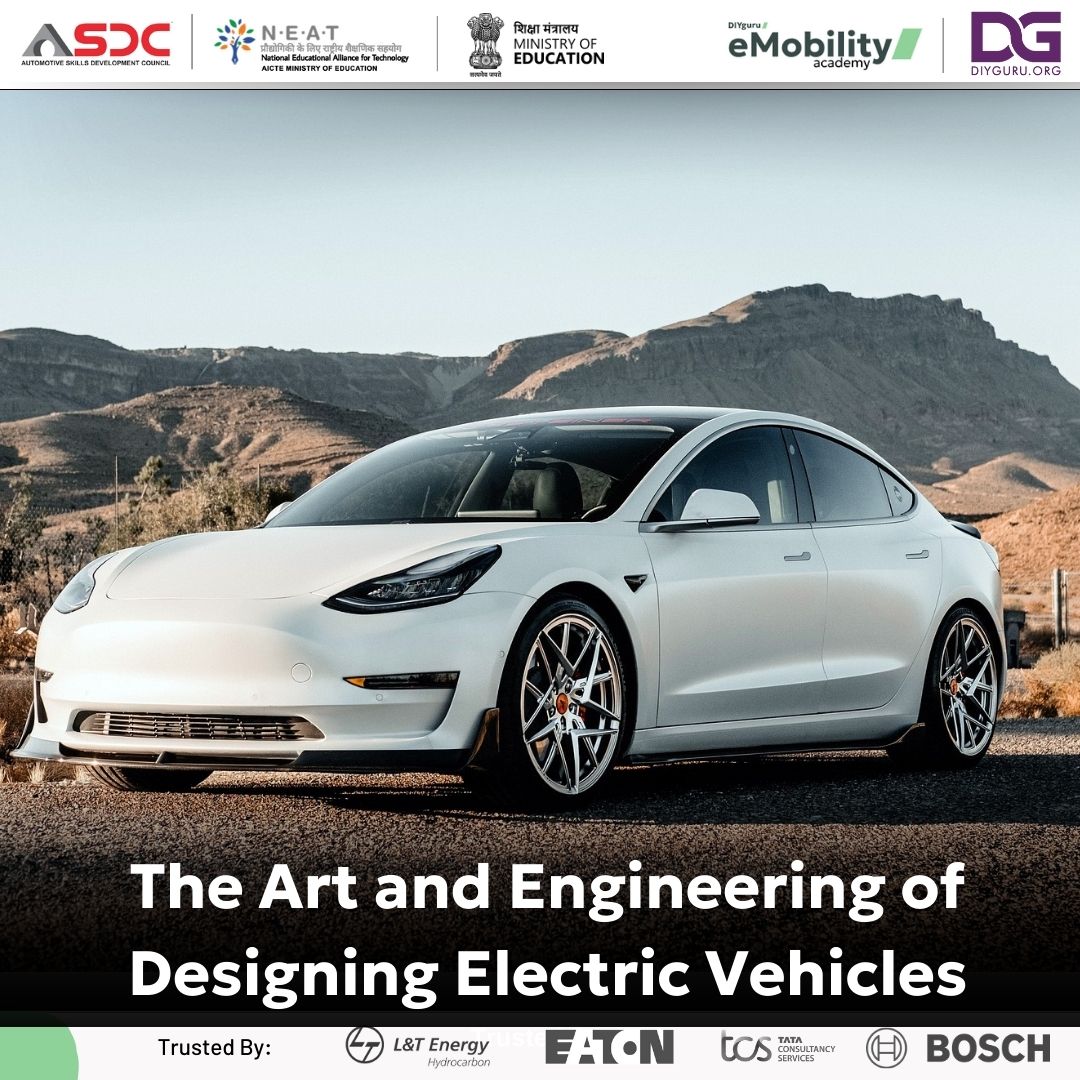
EVs offer more flexibility in terms of layout and structure, as they are not restricted by bulky engines and exhaust systems. The design of electric vehicles allows for a streamlined, spacious, and often futuristic aesthetic, combining form and function in a way that sets them apart from traditional automobiles.

Training programs · B2B partnerships · College workshops
