
🧩
Project 01
AUTOSAR-compliant software architecture
Complete the course project: take an EV function, split it into atomic and composite SWCs, define their ports and interfaces and map them onto the RTE and BSW layers.
This course explains why vehicles moved from mechanical systems to software-defined vehicles and how AUTOSAR organises ECU software to handle that complexity. After an EV engineering primer, it covers the layered architecture, Basic Software, Software Components, ports and interfaces, runnables and events, the RTE and


Course Curriculum
This course explains why vehicles moved from mechanical systems to software-defined vehicles and how AUTOSAR organises ECU software to handle that complexity. After an EV engineering primer, it covers the layered archite
Topic 1: Starting with EV Technology
text
Topic 2: Understanding ICE to EV Transition
text
Topic 3: Electric Vehicle Engineering
text
Topic 4: Battery Technology for EV Systems
text
Topic 5: Power electronics for EV systems
text
Topic 6: Motor Systems for Electric Vehicles
text
Topic 7: Vehicle Electrification Systems
text
Topic 8: Electric Vehicle Charging Technology
text
Topic 1: AUTOSAR Course Overview
text
Topic 2: Course Guidelines & Preliminary Overview
10 min· free trial
Topic 3: Mechanical-Centric Vehicles to SDV Transition – Part 1
17 min· free trial
Topic 4: Mechanical-Centric Vehicles to SDV Transition – Part 2
20 min
Topic 5: Shift Towards Electronics & Automation – Part 1
12 min
Topic 5: Shift Towards Electronics & Automation – Part 2
16 min
Topic 6: Shift Towards Electronics & Automation – Part 3
19 min
Topic 7: The Software-Defined Vehicle Era – Part 1
15 min
Topic 8: The Software-Defined Vehicle Era – Part 2
14 min
Topic 9: Rising Complexity in Automotive Systems Part 1– ECU Integration
15 min
Topic 10: Rising Complexity in Automotive Systems Part 2 – Communication Protocols
16 min
Topic 11: Engineering Challenges in Software-Defined Vehicles (SDVs)
17 min
Topic 12: Introduction to AUTOSAR Part 1 – Role of Standards & Frameworks
13 min
Topic 13: Introduction to AUTOSAR Part 2 - Understanding AUTOSAR Layered Architecture
14 min
Topic 14: Introduction to AUTOSAR Part 3 - Layered Architecture
14 min
Topic 1: Overview of the AUTOSAR Base Software
text
Topic 2: Introduction to BSW Modules - Services Layer & ECU Abstraction Layer
text
Topic 3: AUTOSAR Layered Architecture - Communication Stack and Interface Abstractions & Standardized APIs
text
Topic 1: Software Components & their Roles - Atomic & Composite Software Components
text
Topic 1: Port-Level Interface Definitions in AUTOSAR
text
Topic 2: Sender-Receiver (SR) Communication Model - Data Exchange Principles
text
Topic 3: Client-Server (CS) Interface - Service-Oriented Communication
text
Topic 4: Connectors & Port Compositions
text
Topic 5: Practical Examples - Port-to-Port Communication Scenarios
text
Topic 1: Runnables in AUTOSAR - Execution Entities of SWCs
text
Topic 2: Events Triggering Execution - Time Events, Mode Switch Events, Operation Invocations
text
Topic 1: ASW Layer Overview - Functional Layer Design & Mapping Functionalities into SWCs
text
Topic 1: Introduction to RTE Layer - Role as Middlewre between SWC & BSW
text
Topic 2: Sender-Receiver RTE Communication
text
Topic 3: Client-Server RTE Communication
text
Topic 4: End-to-End Communication Flow using RTE
text
Topic 5: Event Scheduling and Triggering via RTE
text
Topic 1: Engineering Approach in AUTOSAR - Top Down vs Bottom Down Development
text
Topic 2: AUTOSAR Methodology Workflow - System Design, Configuration, Integration
text
Topic 3: Real-World Examples - Lifecycle of Component Development
text
Topic 1: Recap of Key Concepts
text
Topic 2: Evaluation and Feedback
text
Topic 3: Career Pathways in AUTOSAR- OEMs, Tier-1 Suppliers, Tool Vendors
text
Project: Development of an AUTOSAR-Compliant Software Architecture
assignment
Congratulations on Successfully Completing the Course!
text
Earn a certificate
Every completing learner receives a joint certificate carrying ASDC (Government of India) and AICTE NEAT recognition. The certificate carries a public verification code recruiters can validate in seconds via emobility.careers.
System Requirements
What to have ready before you start this course.
Associated Skills
DIY Projects Included
Work you build while learning — submitted in the course and reviewed by a trainer, and yours to show afterwards.
Complete the course project: take an EV function, split it into atomic and composite SWCs, define their ports and interfaces and map them onto the RTE and BSW layers.
For a simple feature such as battery temperature monitoring, sketch which data flows use Sender-Receiver and which calls use Client-Server, and draw the connectors between components.
List the runnables for one SWC and assign each a triggering event (timing event, mode switch or operation invocation), then trace how the RTE schedules them.
Course Benefits
Two audiences. Two angles. Pick the one that maps to where you are today.
What this course includes
Who can take this course?
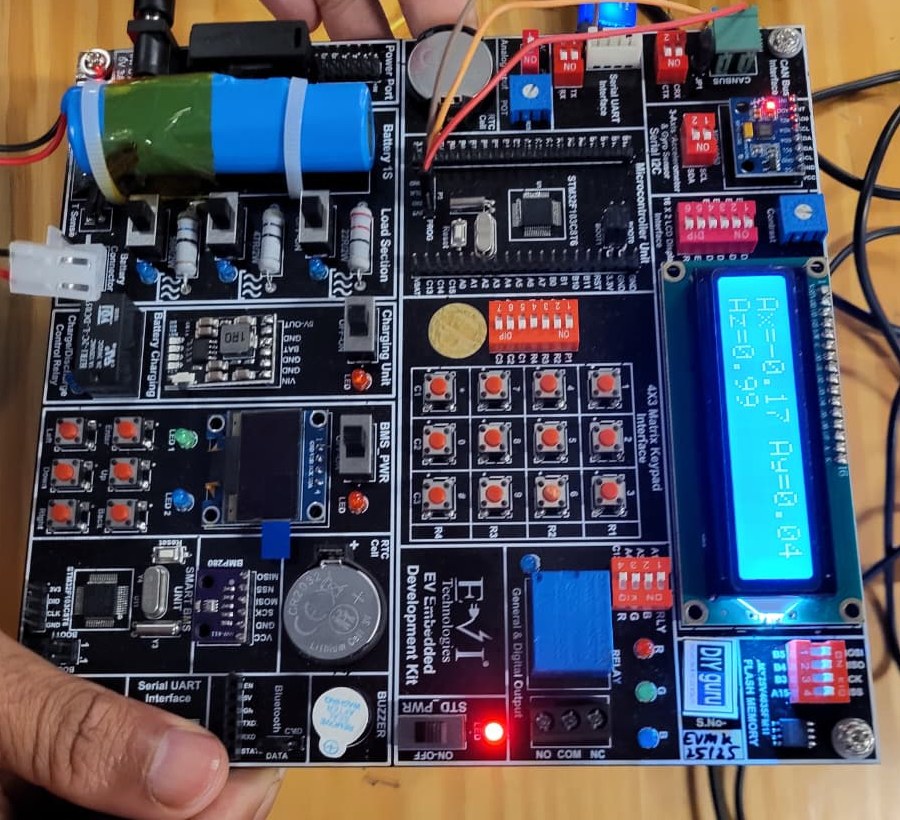
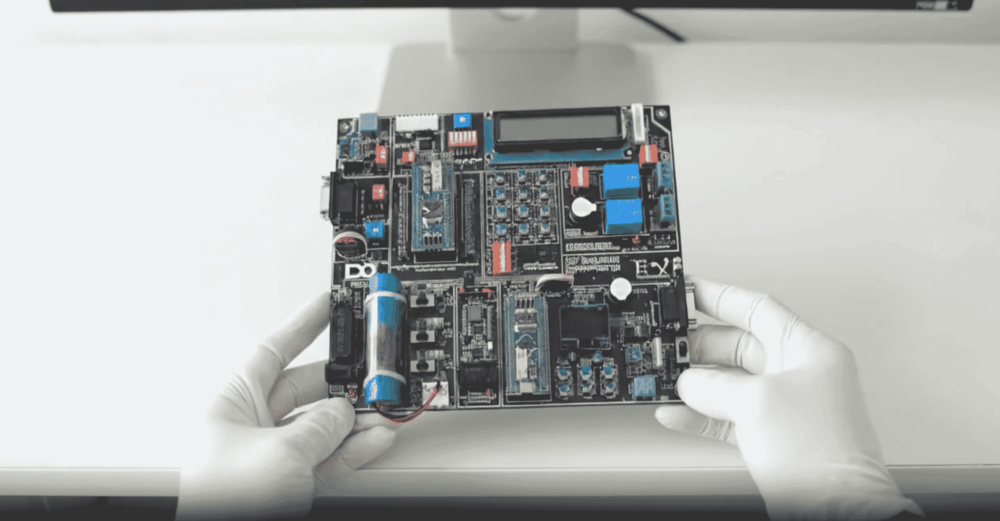
Practise on real hardware
₹10,000 + GST
See what's in the kitTrainer Support
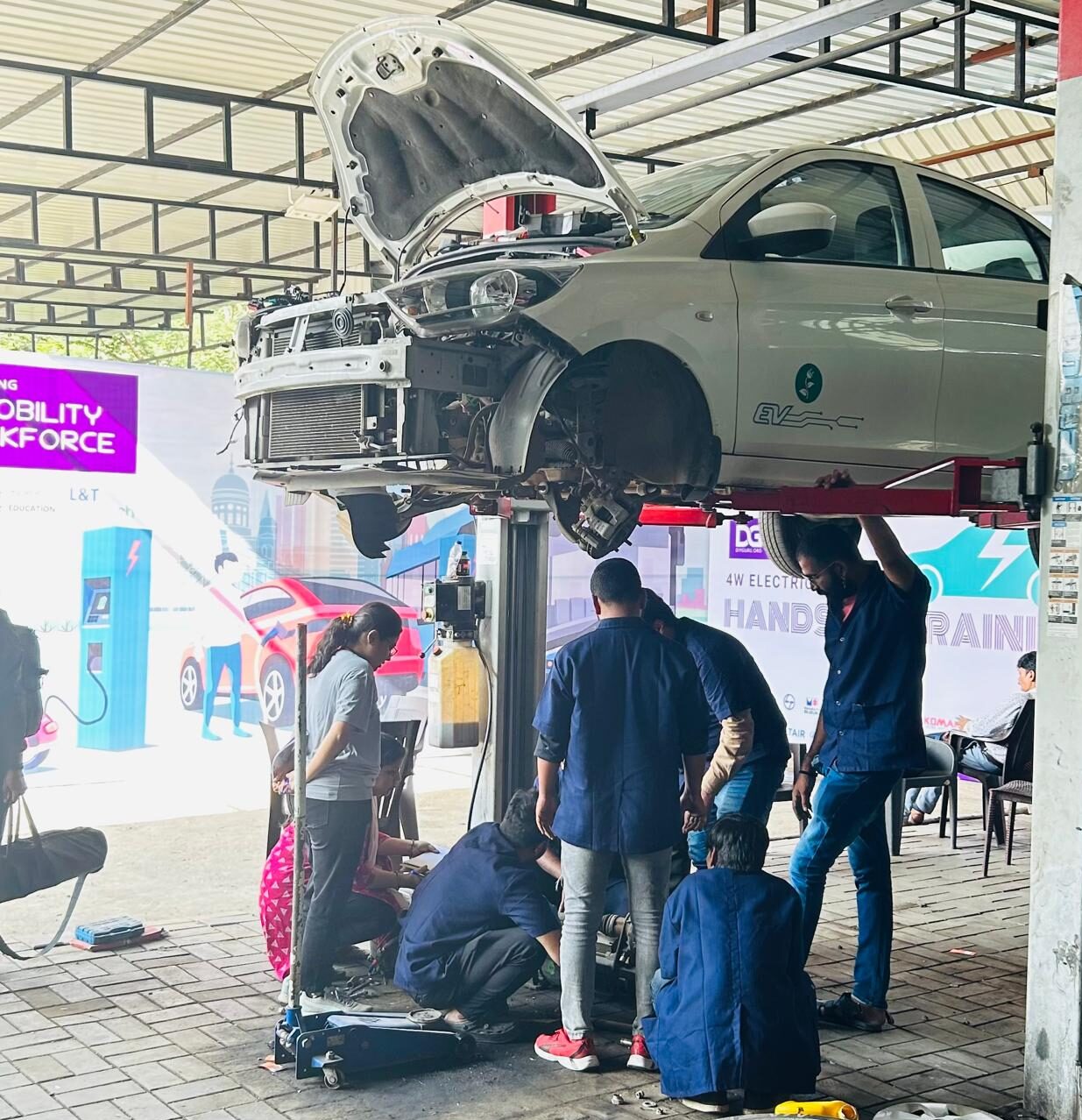
Ask questions on AUTOSAR layers, interfaces, RTE behaviour or the methodology in the course Q&A on the portal; a trainer replies there. Trainers also review the architecture project you submit from the course player.
Bharat eMobility Recruitathon
The Bharat eMobility Recruitathon brings our learners face to face with companies hiring across the EV industry. Watch the Delhi and Pune chapters.
FAQ
Talk to a counsellor
Leave your details — a counsellor will call you about the syllabus, fees, EMI and certificates.
Technical Expertise You Will Gain
The roles these skills are used in, what you'll be able to do, and the parts of the industry that need it.
Government-Certified · Industry-Endorsed · Learner-Approved
Automotive Skills Development Council — recognised by major OEMs worldwide.
National Educational Alliance for Technology — issued under AICTE's premium learning ecosystem.
Learner Stories
The hardware-first approach made all the difference. Came in from a generalist electronics background; the BMS and motor-drive modules gave me concrete vocabulary I could carry into Infineon interviews.

Industry-grade depth without the academic ivory tower. The MATLAB Simulink + capstone defence prepared me for exactly the kind of cross-functional EV problems we solve at Cummins.

Started with electronics, walked into a BMS role in Germany. The applied projects + mentor reviews are what carried me through — the certifications opened the door, the depth got me hired.

Recorded lessons at your own pace · trainer doubt support · verifiable certificate on completion.