
Motorcycle Engineering Fundamental Course
By DIYguru · 10/20/2024 · 2 min read
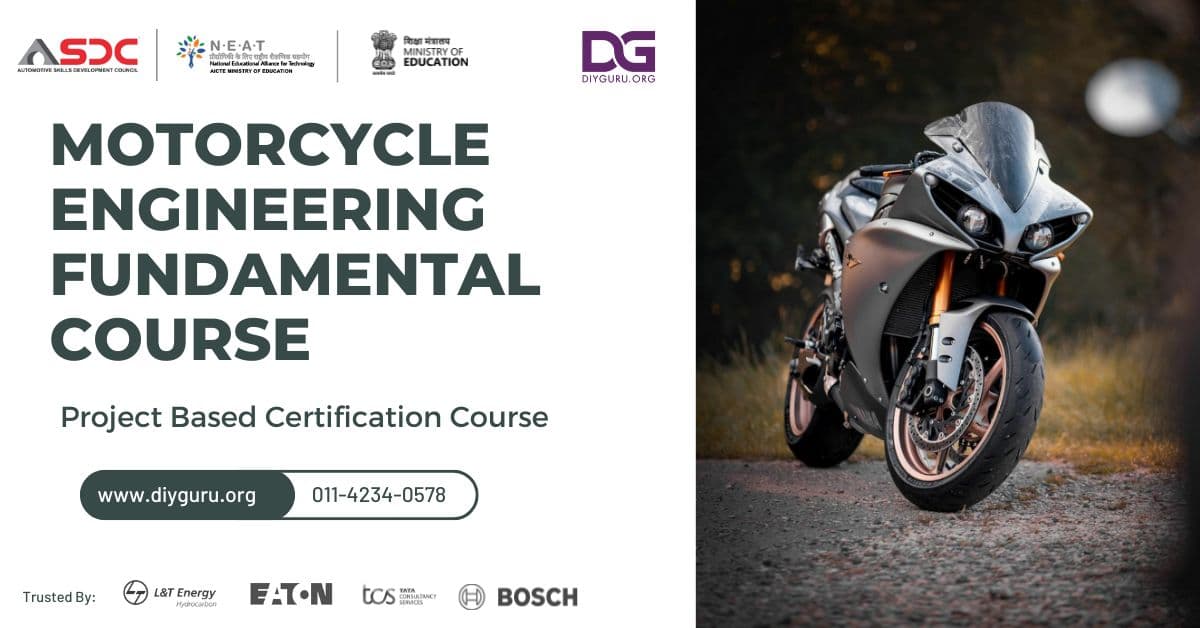
Unlock the essentials of motorcycle design and engineering with DIYguru's Motorcycle Engineering Fundamental Course. This program dives into the mechanics, dynamics, and innovation behind modern motorcycles. Learn about engine types, suspension systems, aerodynamics, and emerging technologies like electric and hybrid motorcycles. With a blend of theoretical knowledge and hands-on experience, this course equips you with the skills to analyze and design motorcycles for performance, safety, and eff
Course Overview
The Motorcycle Engineering Fundamental Course by DIYguru is designed to provide an in-depth understanding of the core principles behind motorcycle design, engineering, and performance. This course is ideal for students, automotive enthusiasts, and professionals who are passionate about two-wheelers and want to dive into the world of motorcycle technology. From basic components to advanced mechanical systems, this program covers all aspects that go into creating a high-performance, safe, and efficient motorcycle.
By the end of this course, learners will have the essential knowledge to understand motorcycle design and development and apply engineering principles to real-world scenarios.
Key Highlights
- Learn the fundamental concepts of motorcycle engineering and dynamics.
- Understand the design and functionality of essential components such as the engine, transmission, suspension, and chassis.
- Explore aerodynamics, ergonomics, and weight distribution for optimal performance.
- Gain insights into powertrain and fuel efficiency optimization techniques.
- Learn about emerging technologies like electric motorcycles and hybrid powertrains.
- Get hands-on experience with motorcycle modeling and simulation tools.
Course Modules
Introduction to Motorcycle Engineering
- Overview of motorcycle development
- History of motorcycles: From concept to modern designs
- Key trends in the motorcycle industry
Motorcycle Dynamics and Performance
- Basics of motorcycle physics and dynamics
- Lean angles, traction, and cornering behavior
- Forces acting on motorcycles during motion
Engine and Powertrain
- Types of motorcycle engines: Two-stroke vs. four-stroke
- Internal combustion engine mechanics and working principles
- Transmission systems and gear ratios
- Electric motorcycles: Principles and components
Chassis, Suspension, and Brakes
- Motorcycle frame and chassis types
- Suspension systems: Forks, shocks, and linkages
- Brake systems: Disc vs. drum, ABS, regenerative braking in electric motorcycles
Design and Ergonomics
- Motorcycle design considerations: Aerodynamics, ergonomics, and rider comfort
- Materials and manufacturing processes in motorcycle construction
- Weight distribution and balance for handling and performance
Tires and Wheels
- Motorcycle tire design and materials
- Tire selection based on performance, weather, and terrain
- Wheel design and its impact on speed and maneuverability
Motorcycle Electronics and Control Systems
- Introduction to onboard electronics and sensor systems
- Motorcycle control systems: Traction control, anti-lock braking systems (ABS)
- Electric powertrain control and battery management systems
Future Trends in Motorcycle Engineering
- Electric and hybrid motorcycle technology
- Autonomous motorcycles and AI in riding safety
- Sustainable materials and green engineering solutions
Practical Skills and Tools
- Hands-on experience with motorcycle design software for modeling and simulation.
- Basic mechanical engineering tools for testing and performance analysis.
- Workshops on vehicle dynamics testing and real-time simulations.
- Case studies on modern motorcycles and their engineering innovations.
Who Should Enroll?
- Automotive Engineering Students: Gain foundational knowledge in motorcycle mechanics.
- Working Professionals: Expand your skills to specialize in two-wheeler engineering.
- Motorcycle Enthusiasts: Deepen your understanding of motorcycle design and technology.
- Entrepreneurs: Build the knowledge to enter the motorcycle manufacturing or design sector.
Course Duration
- 6 weeks, with live sessions, hands-on projects, and assessments.
Certification
Upon successful completion of the course, participants will receive a Certificate in Motorcycle Engineering Fundamentals from DIYguru, recognized by leading industry partners.